
Last updated November 15, 2026
 Sweep & inspection
 Caps & crowns
 Flue relining
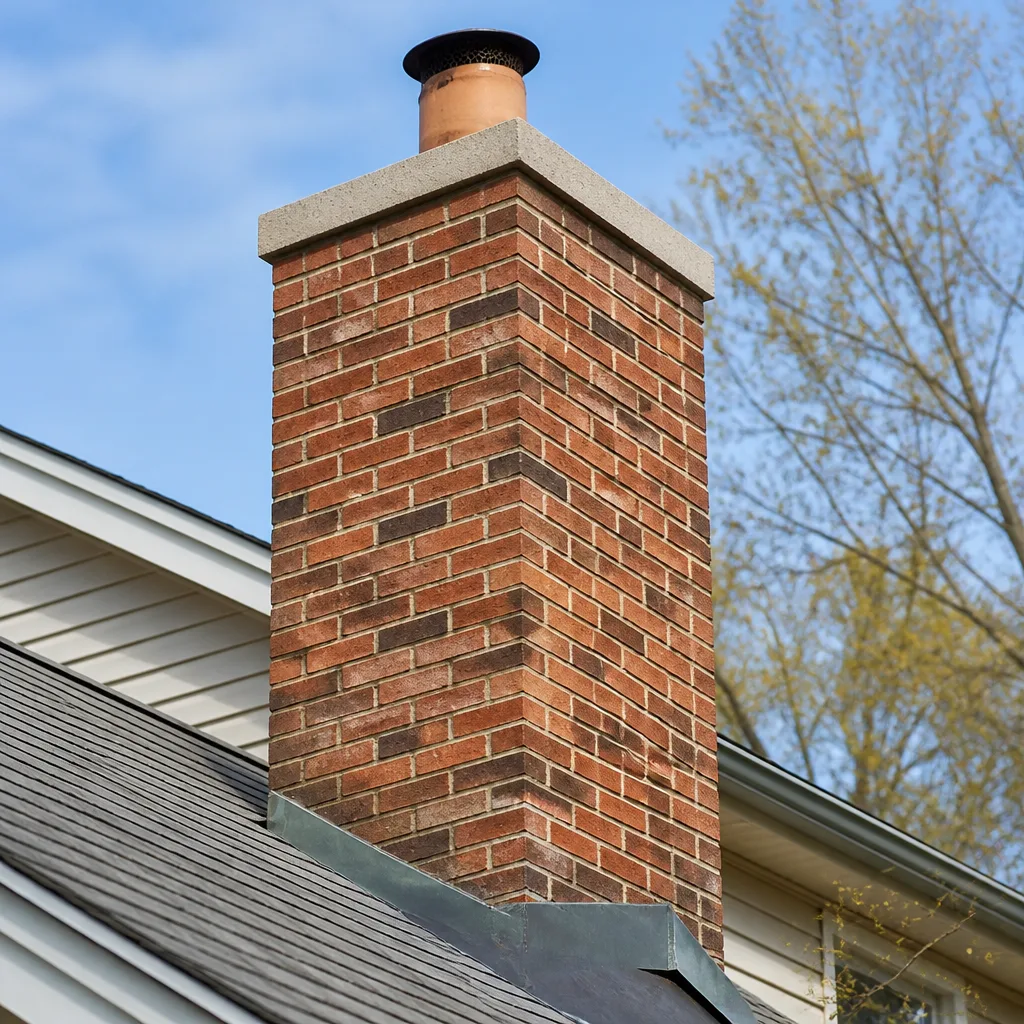 Masonry repair
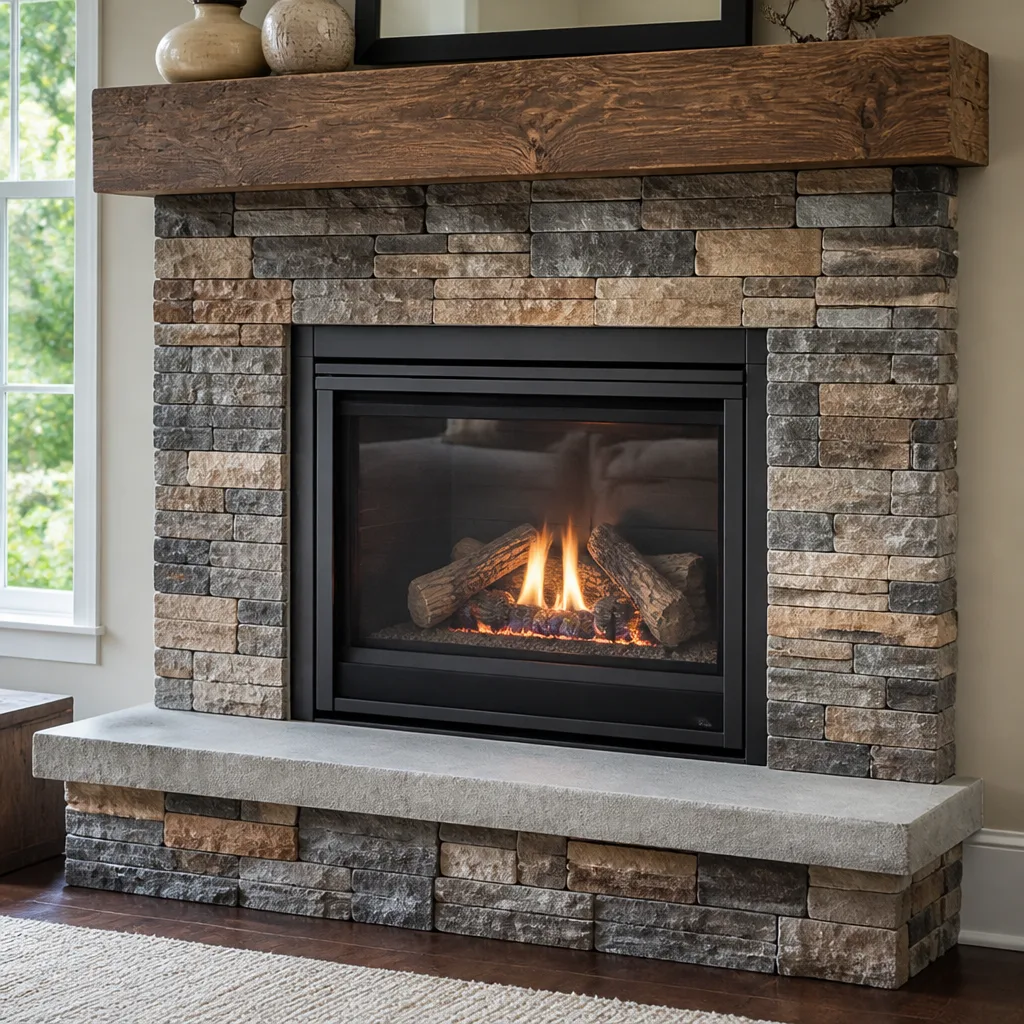 Gas fireplace service
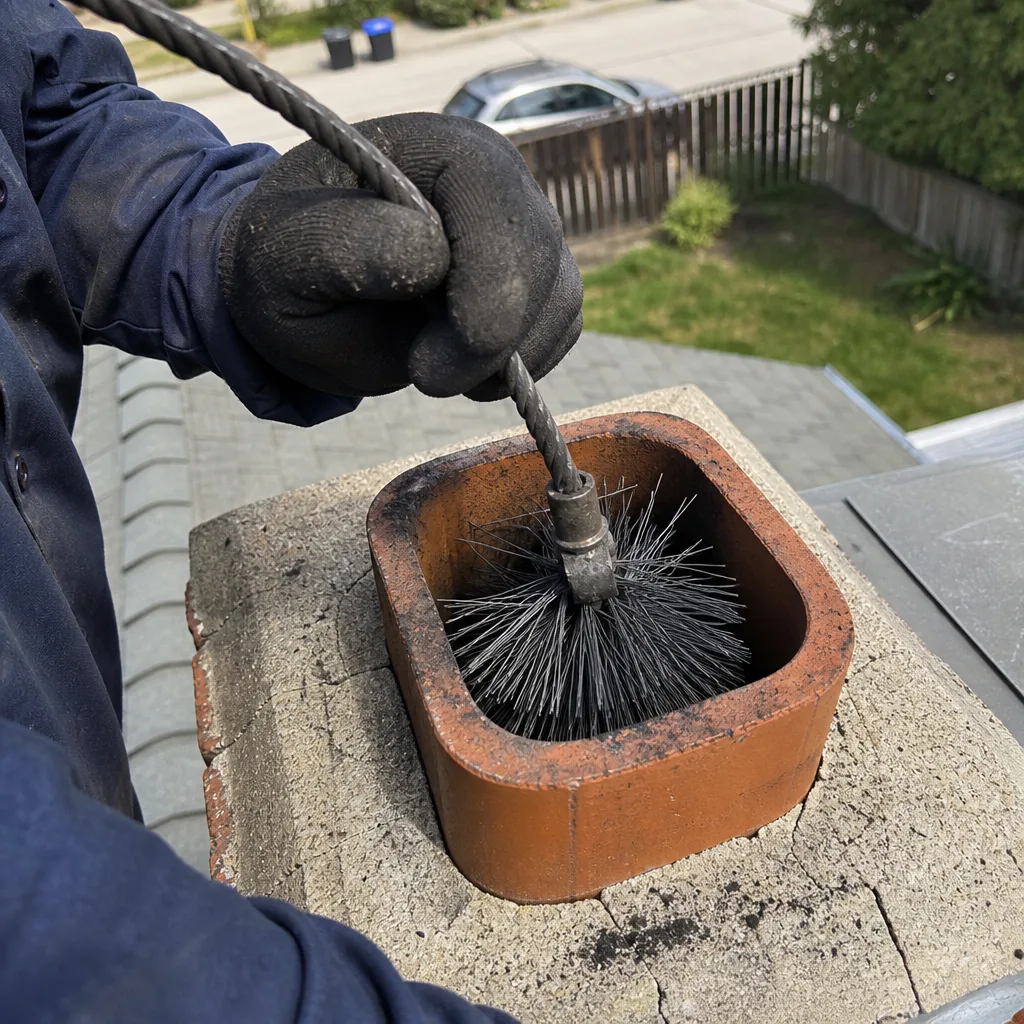
Level 1 sweep and inspection to the NFPA 211 annual standard - flue, crown, cap, and flashing checked and photographed
Chimney sweep logs do not sweep chimneys. They loosen some creosote - which then falls where a brush and vacuum still have to collect it.
Chimney Cleaning Emergency Preparedness Guide for Vallejo Homes
During a chimney fire, the instinct to douse it with water is exactly wrong. Thermal shock can crack a clay liner in seconds, and a contained flue fire becomes a structural emergency that puts the combustibles in your wall cavity in contact with open flame. Most Vallejo homeowners have never thought past the fire extinguisher under the sink, and that’s understandable – nobody plans for a chimney event until one happens. This guide changes that. You’ll learn how to recognize an active chimney fire, what to do and what to avoid, how to spot the carbon monoxide risks that show up in Vallejo’s older housing stock, what a proper post-fire inspection has to cover, and how to build a small emergency kit that protects your home and your insurance claim.
Quick Answer
If you suspect a chimney fire, get everyone out of the house, call 911, and do not put water down the flue – thermal shock can shatter a clay liner and turn a contained fire into a structural one. After any confirmed chimney fire, the chimney must be inspected with a Level 2 inspection (camera and video) before the fireplace is used again, not cleared by a visual check from the firebox. Carbon monoxide is the quieter emergency: in Vallejo’s older homes, gas fireplace inserts vented into unlined or partially deteriorated flues are a real backdrafting risk, and working CO detectors on every level are your first line of defense.
Styles & brands we work with
- Sweep & inspection
- Caps & crowns
- Flue relining
- Masonry repair
- Gas fireplace service
Table of Contents
- How do you know if you’re having a chimney fire?
- What should you do – and not do – during a chimney fire?
- Why is carbon monoxide a bigger risk in Vallejo’s older housing stock?
- What does a Level 2 post-fire inspection actually cover?
- How do you build a chimney emergency kit?
- What does your California homeowner’s insurance need after a chimney fire?
- How do you prevent the next emergency?
- Frequently asked questions
How do you know if you’re having a chimney fire?
Chimney fires come in two forms, and only one is obvious. A free-burning chimney fire announces itself: roaring or rumbling like a freight train, popping and cracking sounds, dense smoke or flames from the top of the chimney, a strong hot smell, and a chimney cap glowing or warping. Those are the symptoms people recognize. But slow-burning chimney fires are the ones that quietly wreck flues for years. They burn at lower temperatures, produce little visible smoke, and can smolder inside a creosote deposit for hours without anyone noticing. The damage shows up later, at the next inspection, as cracked flue tiles, warped dampers, or heat-fractured mortar.
That’s why a routine chimney sweep in Vallejo matters more than most homeowners realize. Creosote buildup is the fuel for both kinds of fire, and a sweep is where we see the warning signs before they become an emergency. In our experience, the flues that fail are rarely the ones that get cleaned every year – they’re the ones that get “inspected” with a flashlight from the hearth and declared fine.
Signs to watch for between cleanings:
- Puffy, honeycombed, or glazed creosote visible on the flue walls – glazed creosote is the most flammable stage and can’t be brushed away with a standard sweep.
- Warped or discolored damper – a sign of past heat exposure.
- Cracked or missing flue tiles – gaps that let heat and gases reach the framing.
- Smoke rolling back into the room when the fireplace is lit, especially on windy days or when a gas appliance elsewhere in the house runs.
- A hot, acrid smell from the fireplace even when it’s not in use.
If any of those show up, stop using the fireplace and get an inspection. The cost of a sweep is trivial compared to a flue repair.
What should you do – and not do – during a chimney fire?
The response depends on whether you’ve confirmed a fire or suspect one. If you see flames or heavy smoke from the chimney, if the chimney is roaring, or if the surrounding structure feels hot, treat it as a working fire and call 911 immediately. Then get everyone outside. Do not wait to see if it “burns itself out.” A chimney fire can spread into the attic or wall cavity within minutes once the liner fails. If you’re only smelling something off, or the smoke is light and brief, close the fireplace doors or damper to cut the air supply, get out, and call us or your local fire department for guidance before lighting anything again.
Here’s the step-by-step response protocol we walk Vallejo homeowners through:
- Get everyone out of the house. Adults, children, pets. Do not stop to gather belongings.
- Call 911 from outside if you see flames, heavy smoke, or the chimney is roaring. Tell them it’s a chimney fire and give the address clearly.
- Do not pour water down the flue. A cold bucket of water hitting a 1,000-degree clay liner can crack it instantly and send burning creosote and hot gases into the structure.
- Do not close the damper on a confirmed fire. It traps heat and pressure in the flue and can force flames through cracks.
- If you have a dry-chemical extinguisher made for chimney fires (some units are designed to be thrown into the firebox), use it only if it’s safe and the fire is small. Otherwise leave it to the fire department.
- Once the fire department clears the scene, do not use the fireplace again until a Level 2 inspection has been done. Not a visual check. A camera inspection.
- Call us at (844) 320-2881 to schedule the post-fire inspection. We answer 24/7, and we’ll book you into the next available dispatch window.
The instinct to fight a chimney fire yourself is strong, and we get why. But a fire in the flue isn’t a fire in the firebox – you can’t reach it, and the tools that work on a kitchen fire don’t work inside a chimney. Get out. Call 911. Then call us for the inspection that follows.
Why is carbon monoxide a bigger risk in Vallejo’s older housing stock?
Carbon monoxide is the chimney emergency nobody sees coming. It’s colorless and odorless, and it doesn’t produce smoke or heat the way a fire does. In Vallejo, the risk profile has a specific shape: many older homes were built with fireplaces that were never designed for the gas inserts and log sets that got added later. A gas appliance vented into an unlined flue, or a flue whose clay tiles have cracked and spalled, doesn’t have a reliable path for exhaust to leave the house. The gases can spill back into the living space instead – that’s backdrafting.
The conditions that cause it are common in Vallejo homes:
- Deteriorated or missing flue liner. Gas exhaust is corrosive, and an unlined masonry flue can degrade faster than homeowners expect.
- Improperly sized flue for the appliance. A flue that’s too large for a small gas insert stays cool, and cool flues don’t draft well.
- Blocked or partially blocked flue. Bird nests, leaf debris, fallen mortar, or years of creosote can narrow the flue enough to cause spilling.
- Backdrafting from other exhaust appliances. A bath fan, kitchen hood, or dryer vent running at the same time as the fireplace can pull exhaust the wrong way in a tight house.
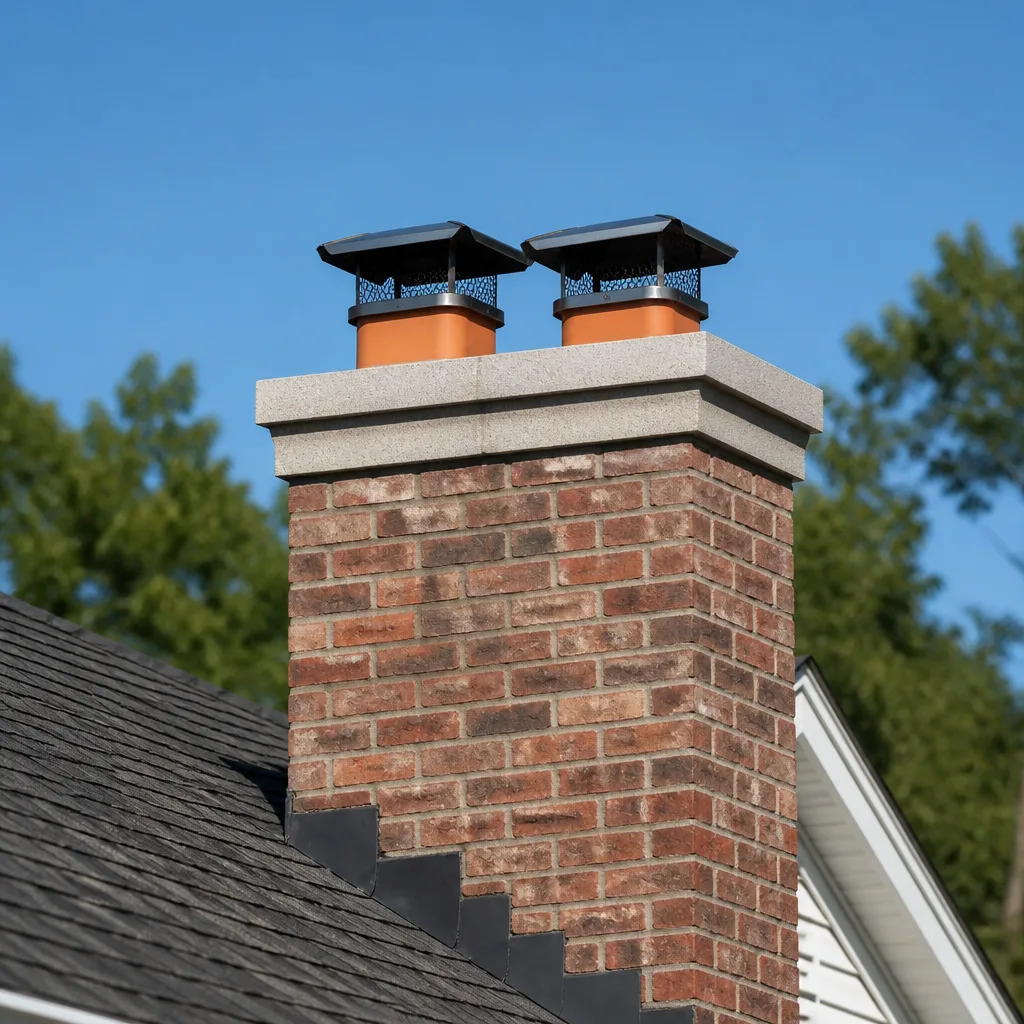
- A missing or damaged chimney cap. Caps keep water and animals out, and a failing cap on an Olympia Chimney or Famco setup is one of the easiest things to replace.
What does this mean for you practically? Put a working CO detector on each level of the home and near every sleeping area – the same guidance that applies anywhere, and it’s especially worth following in a house with a gas insert and an older flue. If a detector goes off, get everyone out, call 911, and don’t re-enter until the fire department says it’s safe. Then call us. CO events are a venting problem, and we diagnose and repair those as a core part of what we do.
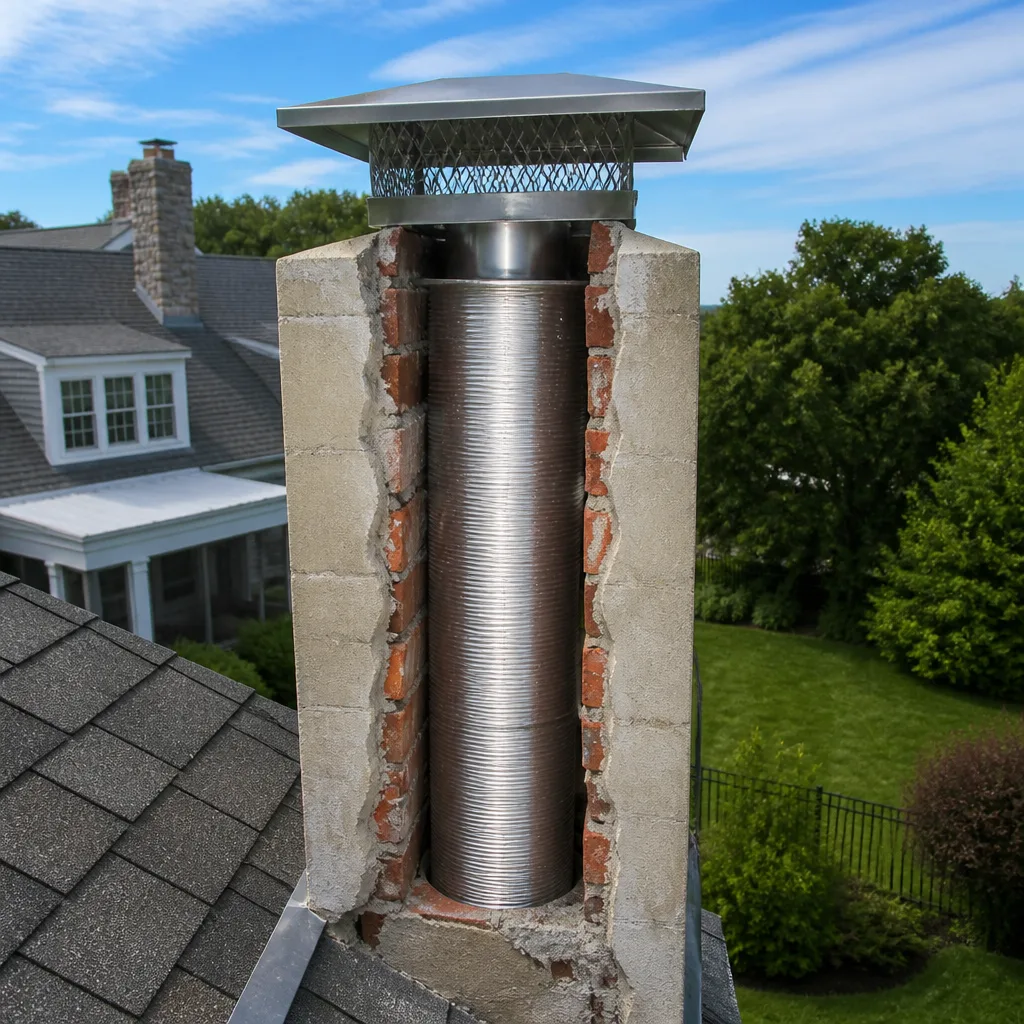
A sweep visit is where this usually gets caught. When we inspect a home in Vallejo, we’re looking at the flue from the top and the bottom, checking the cap and crown, and looking at how the appliance is connected and vented. If we find a deteriorated liner, that doesn’t automatically mean a full replacement. HeatShield is a flue-resurfacing system we use to restore deteriorating liner surfaces from the inside, which can save a homeowner the cost of a full liner tear-out. It’s not the right answer for every flue – badly cracked or separated tiles that have shifted need DuraFlex flexible liner installation – but it’s worth knowing your flue has options before a sweep-only operator tells you it doesn’t.
What does a Level 2 post-fire inspection actually cover?
A Level 2 inspection is a camera inspection of the flue, plus a visual inspection of the accessible portions of the chimney exterior and interior, and it’s the only appropriate inspection after a confirmed chimney fire. It covers the full flue from the top down to the appliance connection, the firebox, the damper, the smoke chamber, the chimney crown and cap, and any adjacent framing or combustibles that could have been exposed. The camera records what’s inside the flue so you can see it, and so there’s a documented record for insurance.
Why not a visual check? Because the damage from a chimney fire is inside the flue, not on the firebox walls. A firebox can look fine while the flue tiles two feet up are cracked through. A visual check from the hearth doesn’t see the smoke chamber above the damper, and it doesn’t see the top of the flue at all. No reputable sweep should clear a flue for use by visual check alone after a confirmed chimney fire, and if someone offers to, that’s a reason to find another sweep.
What the inspection report should document:
- Before-and-after photos or video of the flue interior.
- The type and severity of any damage – cracked, spalled, or separated tiles; warped damper; heat-damaged mortar.
- The condition of the smoke chamber, crown, and cap.
- Any obstructed areas where debris or fallen material is blocking the flue.
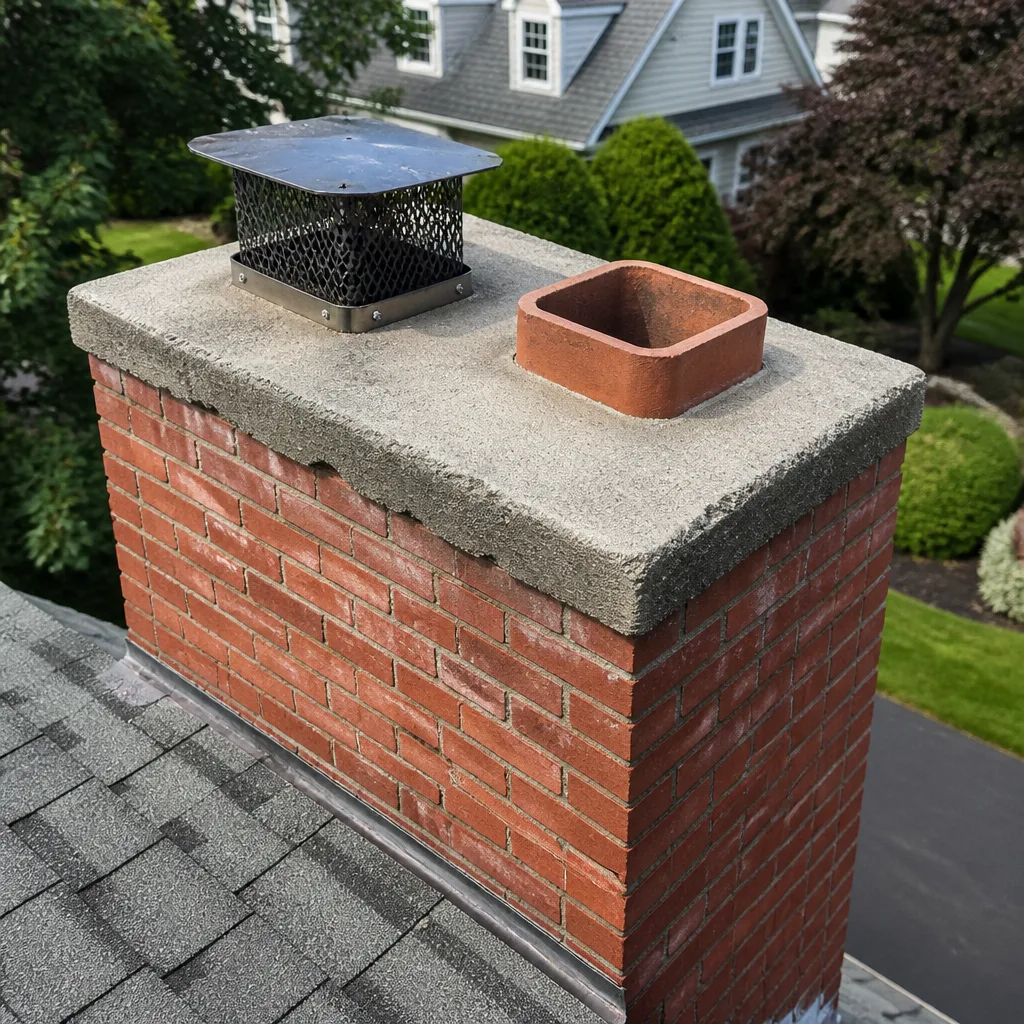
- A clear recommendation – sweep and re-inspect, HeatShield resurfacing, DuraFlex liner installation, or a repair to the cap or crown using a Gelco or Famco component.
- A statement of whether the flue is safe to use or must remain out of service until repairs are complete.
If you’ve got a post-fire flue that needs a repair, we carry the product lines that make it possible in one visit – DuraFlex liner systems for offset or retrofit flue paths, HeatShield for resurfacing, and Gelco and Famco components for caps, covers, and venting. That matters after a fire because you don’t want to coordinate three contractors to get a chimney back online.
How do you build a chimney emergency kit?
A good chimney emergency kit is small, cheap, and it takes about thirty minutes to assemble. The point isn’t to fight a fire yourself – it’s to give you the tools to respond fast, keep the household safe, and document what happened for your insurance company. Here’s what we recommend for any Vallejo home with a working fireplace or gas insert:
- A chimney fire suppressant. Dry-chemical suppressant sticks or packets sold for chimney use. They’re designed to be tossed into the firebox to knock down a small fire and reduce the air supply. They are not a substitute for the fire department on a confirmed chimney fire.
- Working CO detectors on every level and near sleeping areas. Test them monthly. Replace the batteries on a schedule you’ll actually remember (daylight saving is a common one).
- Working smoke detectors on every level, including near the fireplace.
- A fire extinguisher rated for A and B fires in the kitchen and near the fireplace. Check the gauge.
- A copy of your last clean sweep report – paper or a photo on your phone. Insurance companies will ask for it, and you’ll want it in your hand, not buried in a drawer.
- Your chimney professional’s phone number posted somewhere visible. That’s ours: (844) 320-2881.
- A flashlight and a set of fresh batteries for after the power goes out.
One more thing: keep the area around the fireplace clear. Furniture, rugs, holiday decor, and fireplace tools staged too close to the hearth are common contributors to home fires, and they’re easy to fix. A sweep visit is also a good time to ask us to walk the room with you – we’ll point out clearance issues and anything in the room that’s making the chimney’s job harder.
What does your California homeowner’s insurance need after a chimney fire?
California homeowners’ policies generally cover chimney fire damage, but the burden of proof is on you – you’ll need to show the insurer that the fire happened, what it damaged, and what the repair requires. In practical terms, that means documentation. The more thorough the written inspection report, the easier the claim, and the less back-and-forth you’ll have with an adjuster who’s never seen your chimney.
What to have ready when you file:
- The fire department report or incident number if they responded. Get it the same day if possible.
- Photos of the visible damage – the firebox, the exterior, any smoke staining on the roofline or interior walls.
- The written Level 2 inspection report with video or photos of the flue interior. This is your single most important document.
- Your last clean sweep report showing the chimney’s condition before the event. This is your baseline.
- A written repair estimate with the specific scope of work and the materials specified.
- Receipts for any temporary measures – a tarp over the chimney if the crown was damaged, for example.
Do not throw away the sweep report after each cleaning. It’s your proof of maintenance, and insurers and contractors both want to see it. If you’ve moved into a Vallejo home and don’t have one, that first sweep is the document that establishes a baseline. Ask for a written report and keep it with your home records.
What insurance generally won’t cover is a claim that gets denied because the fire was preventable and undocumented. That’s an uncomfortable sentence, but it’s the truth. A homeowner who skipped cleaning for several years, then had a chimney fire, is in a weaker position than a homeowner with annual sweep reports. The cheapest insurance policy on a chimney is the inspection you had done last year.
How do you prevent the next emergency?
Prevention comes down to three things: burning clean, cleaning on schedule, and inspecting like it matters. Start with what you burn. Seasoned, dry firewood burns hot and produces less creosote than wet or green wood. Never burn trash, cardboard, wrapping paper, or treated wood – they coat the flue with deposits and can carry chemicals you don’t want in the house. Keep a clean firebox too; ash buildup reduces draft.
For cleaning, an annual chimney sweep is the baseline for any fireplace that sees regular use. Homes with a gas insert should still get an inspection each year – gas doesn’t produce creosote the way wood does, but the flue, cap, and venting still need to be checked for corrosion, blockage, and animal intrusion. A home in Vallejo that burns through a cord of wood a year needs the sweep more often, maybe every fall before burning season; a home that uses the fireplace a few times a year might be fine with an inspection every year and a sweep every couple of years. Ask us and we’ll tell you what your flue actually needs based on what we find.
For the dryer, put a dryer vent cleaning on the same annual schedule. Lint accumulation is a fire hazard and a household efficiency problem, and the same venting principles – unobstructed, correctly sized, properly capped – apply. It’s not a housekeeping task, it’s a fire-safety one. We clean and inspect dryer vents as a core part of what we do for homes in Vallejo, because the same venting failures that let exhaust spill back into the house cause dryer lint to ignite. A clogged dryer vent is a fire waiting for a spark, and a chimney emergency is one ignition source too many in a home.
The final piece is inspection. If your last inspection was more than a year ago, schedule one. If you bought a home and don’t know the flue’s history, schedule one. If you’ve noticed smoke backing up, odd smells, or a chimney that looks different, schedule one. That inspection is where problems get caught before they become emergencies.
Common Mistakes to Avoid
- Pouring water down a burning chimney. Thermal shock can shatter a clay liner, and the resulting cracks give fire a path into the structure. Never do this.
- Closing the damper during a confirmed fire. Heat and pressure build in the flue, and the fire can force its way through any crack or failing joint.
- Clearing a flue after a chimney fire with a visual check only. Damage lives inside the flue, and even a clean-looking firebox can hide cracked tiles above the damper.
- Relying on a “sweep-and-go” operator who doesn’t inspect. A sweep without an inspection misses the same failures that cause chimney fires and CO events. Ask for a written inspection report.
- Skipping the annual sweep because the fireplace “still draws fine.” A flue can draw fine right up until the day it doesn’t – a closed flue doesn’t always show symptoms before the fire.
- Assuming a gas insert doesn’t need a chimney check. Gas appliances still rely on the flue to vent, and an unlined or damaged flue on a gas insert is a classic CO setup in older homes.
- Running the fireplace and the dryer vent or kitchen hood at the same time without thinking. In a tight house, that combination can backdraft the flue. If you smell exhaust or the fire struggles, that’s a sign to check.
See the difference
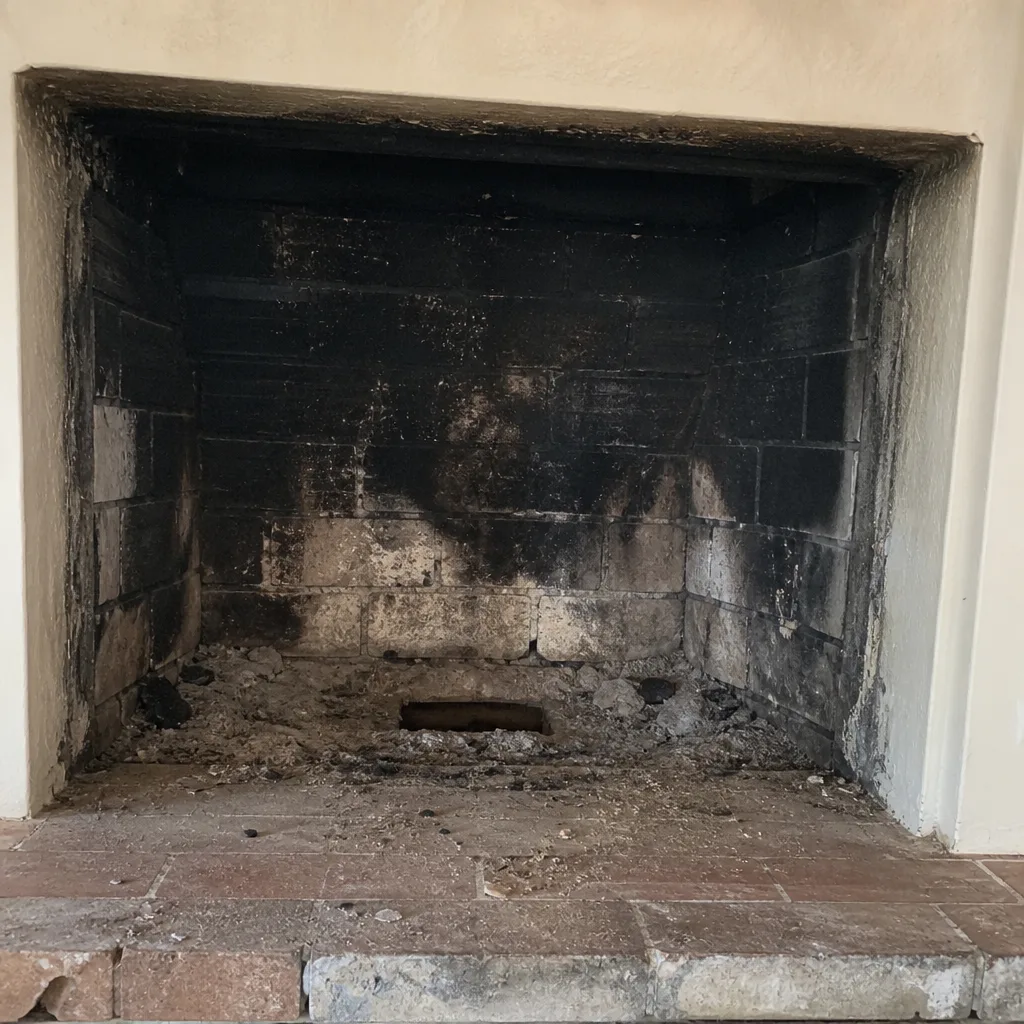 Before
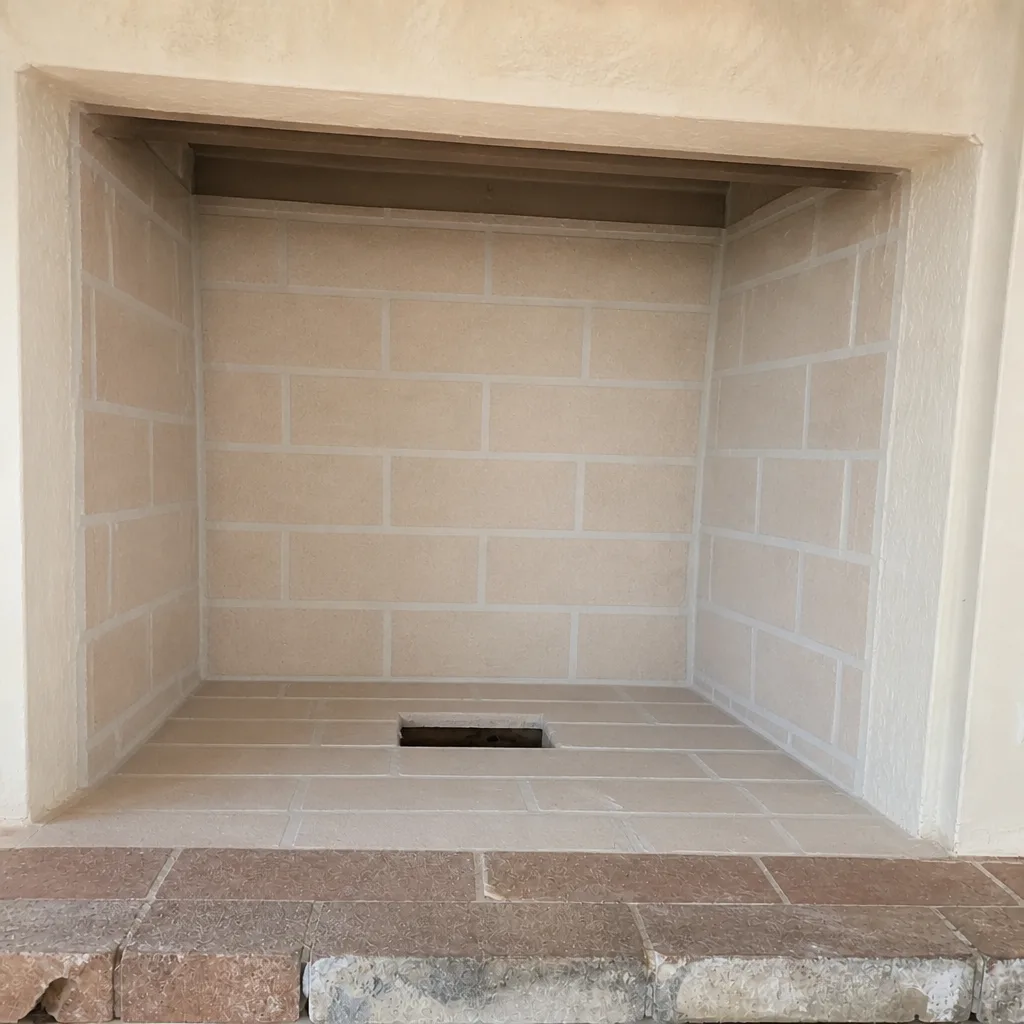 After
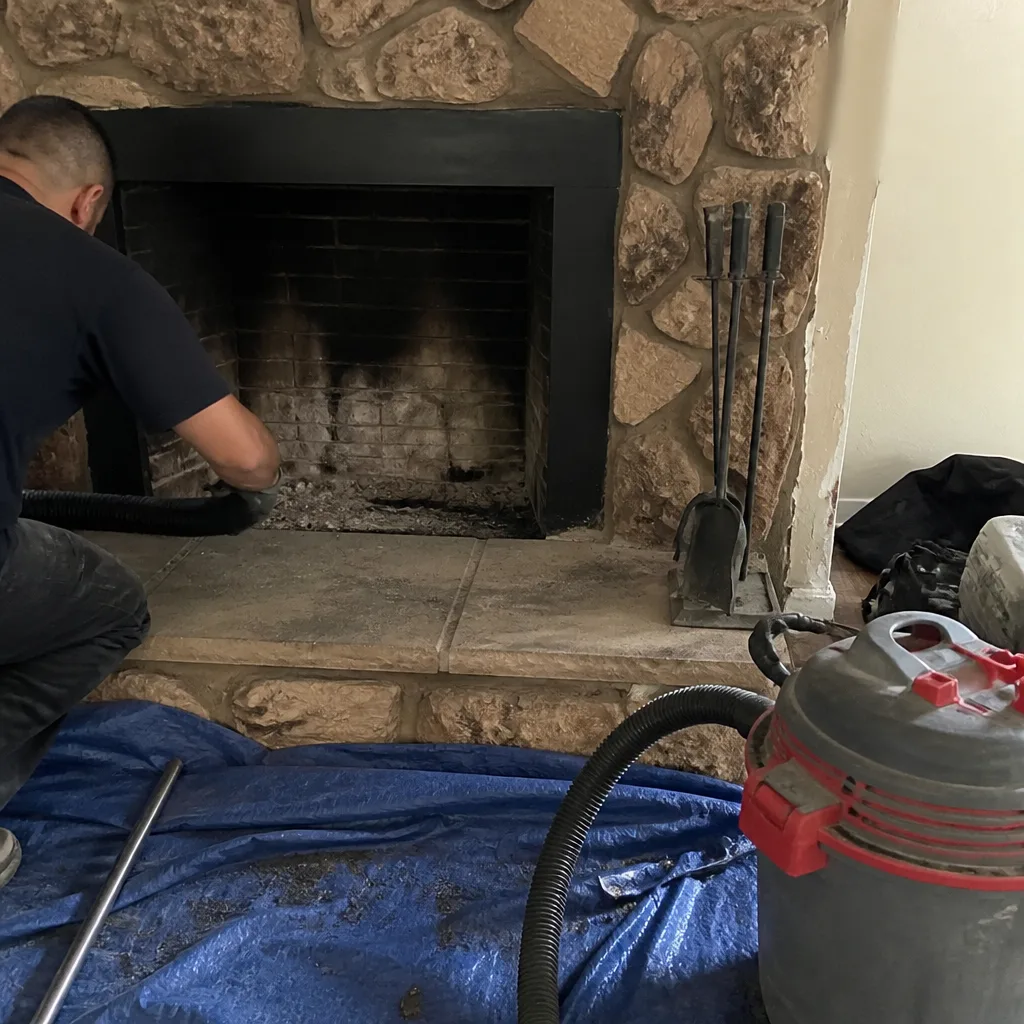 Before
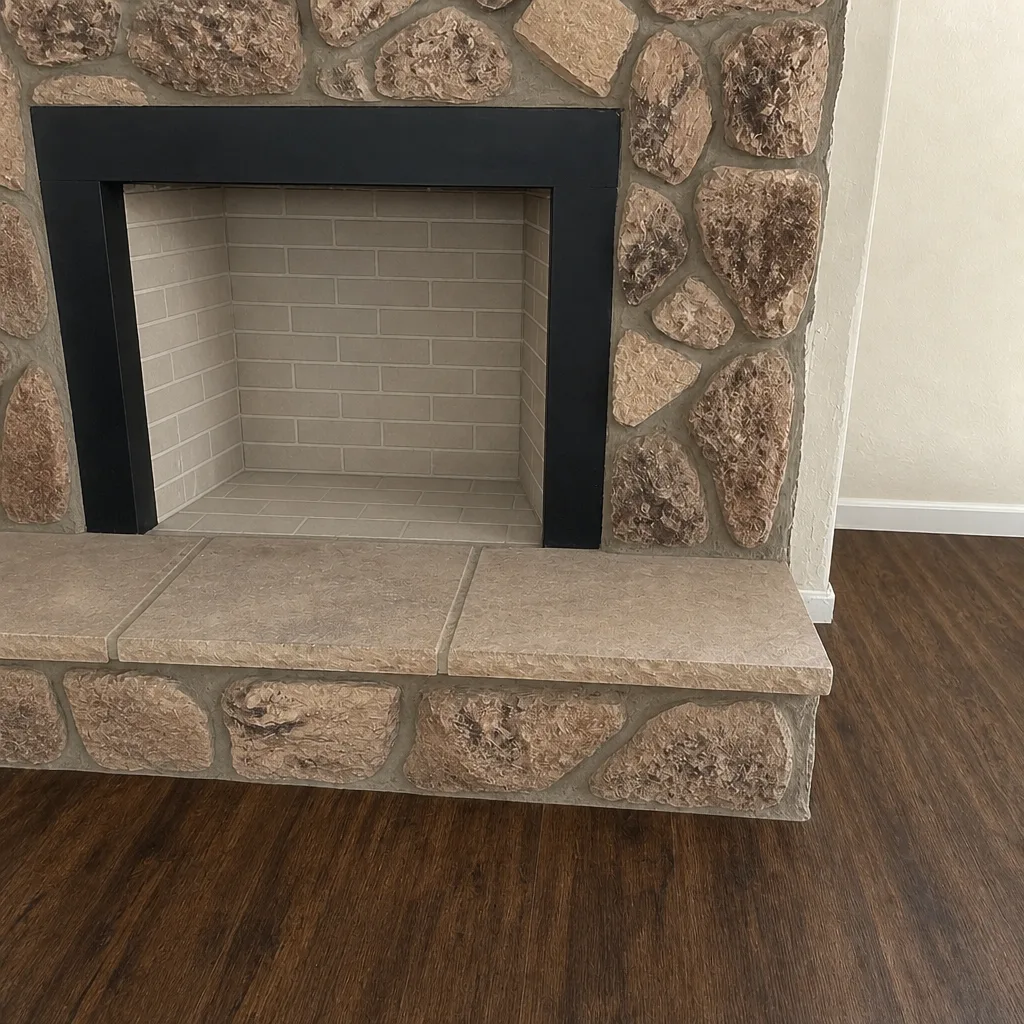 After
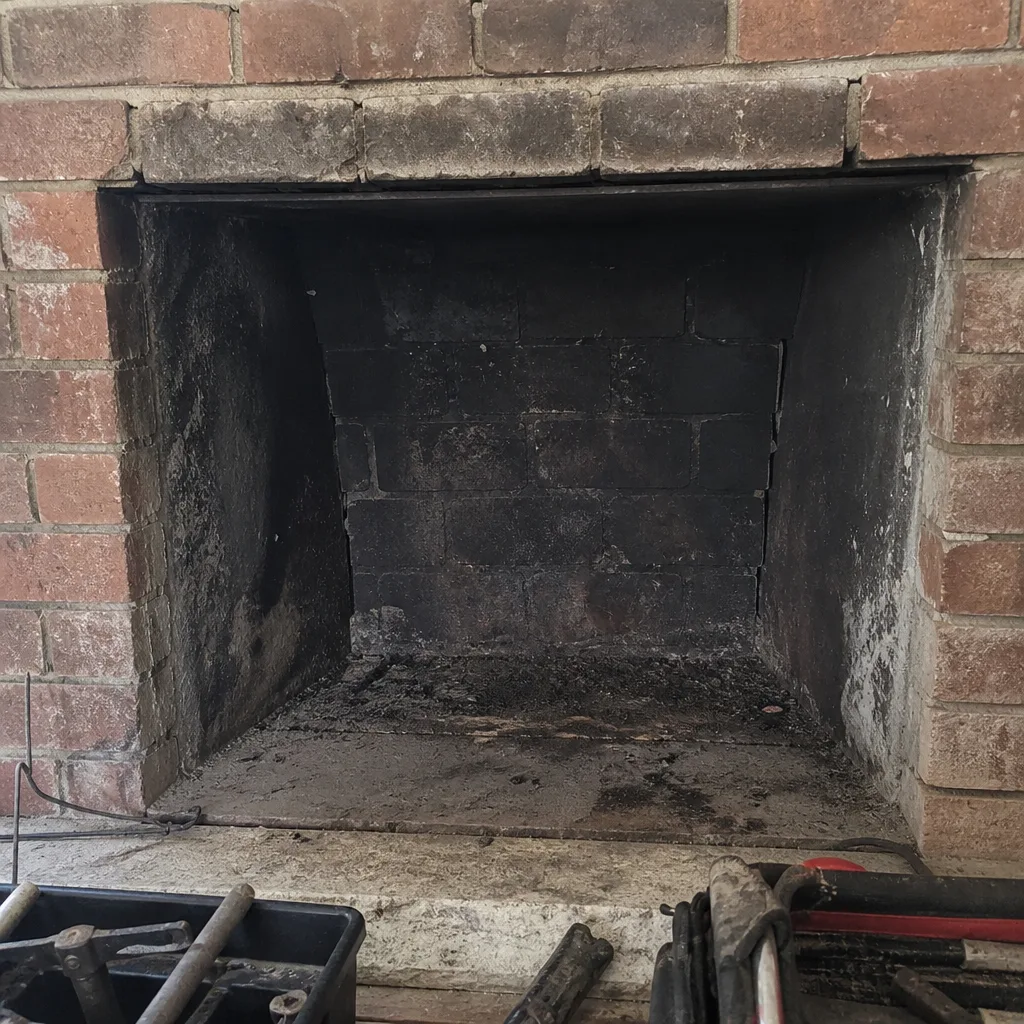 Before
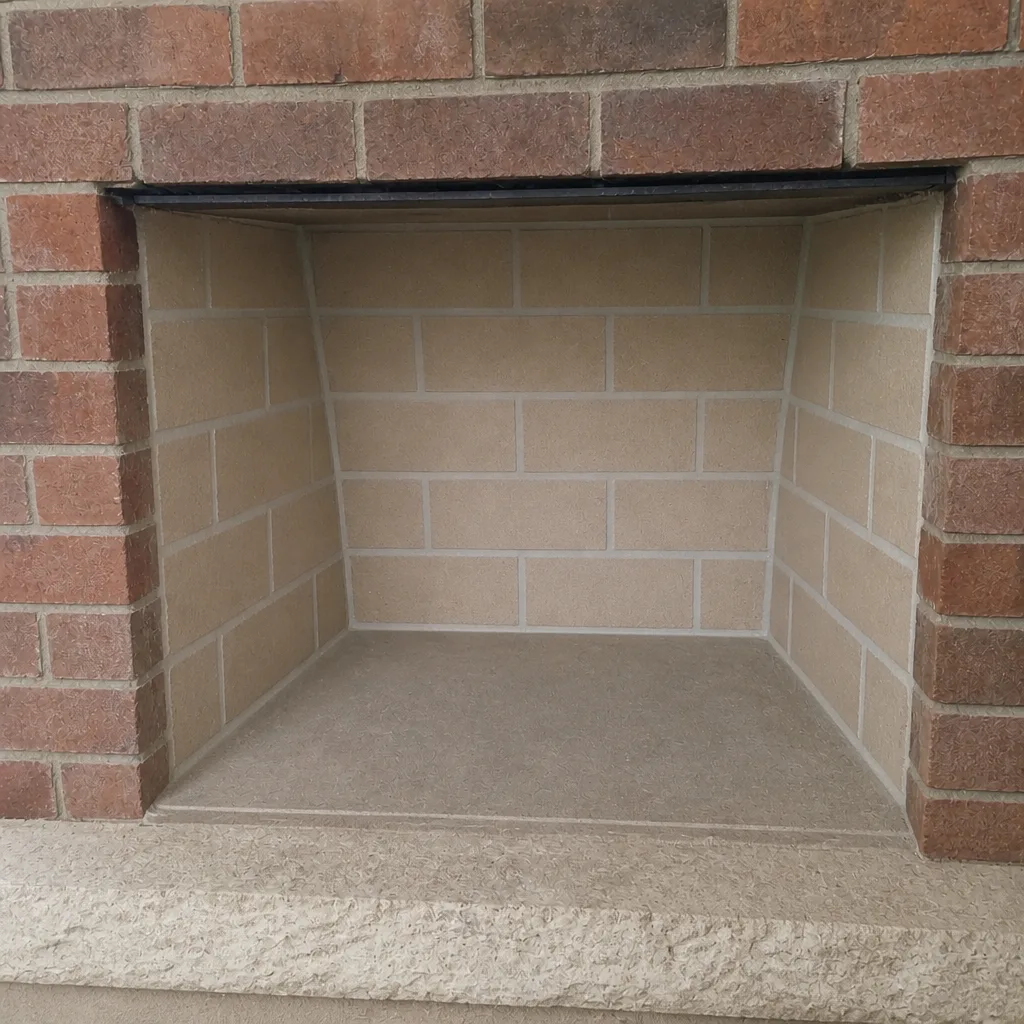 After
When to Call a Professional
Some jobs are homeowner jobs: testing a CO detector, checking the fire extinguisher gauge, keeping the hearth clear. Others aren’t. Call a professional after any confirmed chimney fire – no exceptions – and after any suspected chimney fire where the flue got hot or smoke backed up. Call if you’ve noticed the signs of a slow-burning chimney fire (glazed or puffy creosote, a warped damper, cracked tiles), if a CO detector has gone off, if the fireplace smokes back into the room when in use, or if the chimney cap, crown, or flashing is damaged. Call before lighting the first fire of the season in a home you haven’t had inspected. Chimney Sweep Vallejo offers free estimates in Vallejo – call (844) 320-2881. We answer 24/7, and we’ll tell you exactly what we found and exactly what it needs.
Frequently Asked Questions
A standard sweep typically runs in the $180-$340 range for a wood-burning fireplace, and a Level 2 inspection with camera runs a bit more. The written estimate always sets the final price, and it’s based on what we actually find when we inspect the flue. Call (844) 320-2881 for an exact quote – estimates are free.
Yes. A Level 2 inspection includes a camera inspection of the flue interior, and it’s the only way to confirm whether the fire cracked tiles, warped the damper, or damaged the smoke chamber. A visual check from the firebox can’t see the damage. If a sweep clears your flue for use after a chimney fire by visual check alone, get a second opinion.
Creosote builds up on the flue walls, and creosote is what burns in a chimney fire. After a few years of regular use, the deposit can reach a glazed stage that’s highly flammable and difficult to remove with a standard sweep. The result is a documented chimney fire risk, and possibly a blocked flue that creates a CO hazard. Call (844) 320-2881 for a sweep before burning season – estimates are free.
Sometimes, yes. We use HeatShield, a flue-resurfacing system that can restore a deteriorating liner surface from the inside, which is often less expensive than a full liner tear-out. For flues with badly cracked, separated, or shifted tiles, a DuraFlex flexible liner install is the appropriate repair. We’ll show you what we found and explain both options. Call (844) 320-2881 for an exact quote.
Get everyone out of the house, call 911 from outside, and don’t re-enter until the fire department says it’s safe. A CO event is a venting problem, and it usually comes back to a deteriorated flue, a blocked chimney, or a backdrafting condition. Once the fire department clears the scene, call us – a camera inspection will tell you what’s going on. Call (844) 320-2881. We answer 24/7. A call outside dispatch hours is booked into the next opening, Sunday through Friday, 7am to 7pm.
Yes, practically speaking. A written Level 2 inspection report with photos or video of the flue interior, plus your last clean sweep report as a baseline, is what an adjuster will want to see. Get the fire department incident number the same day if possible. A thorough report makes the claim easier and protects you if there’s any dispute about the cause or scope of damage.
The Bottom Line
A chimney fire is a preventable emergency. The conditions that cause one – creosote buildup, a cracked flue liner, a failing cap, a gas insert vented into an unlined flue – are almost always visible during a routine inspection if someone is looking. If a fire happens, get everyone out, call 911, don’t pour water down the flue, and don’t relight the fireplace until a Level 2 inspection has cleared it. Keep a small emergency kit with suppressant, working CO detectors, and your last sweep report. And book that annual inspection before burning season. Call (844) 320-2881 for a free estimate – we clean it, we can fix it, and we’ll tell you exactly what we found.
Written by the team at Chimney Sweep Vallejo.