
Last updated November 15, 2026
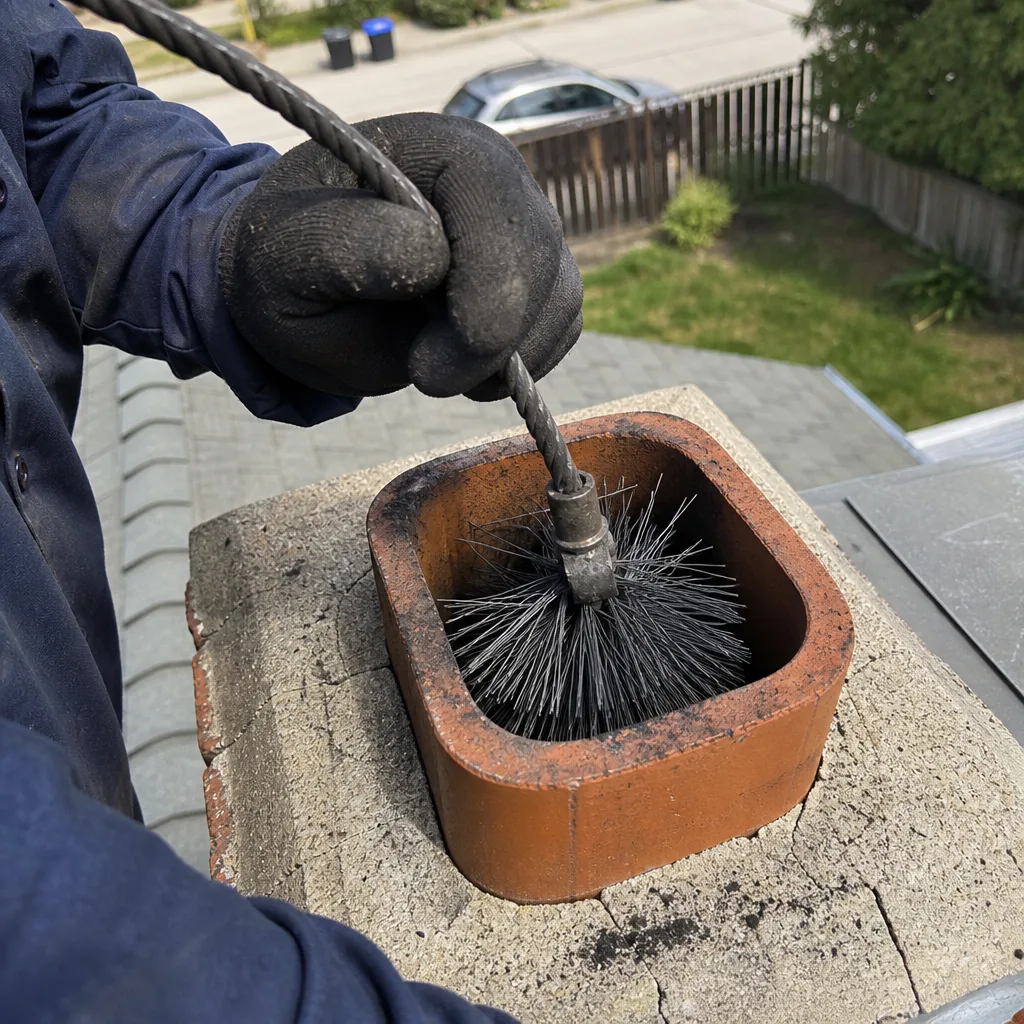
 Sweep & inspection
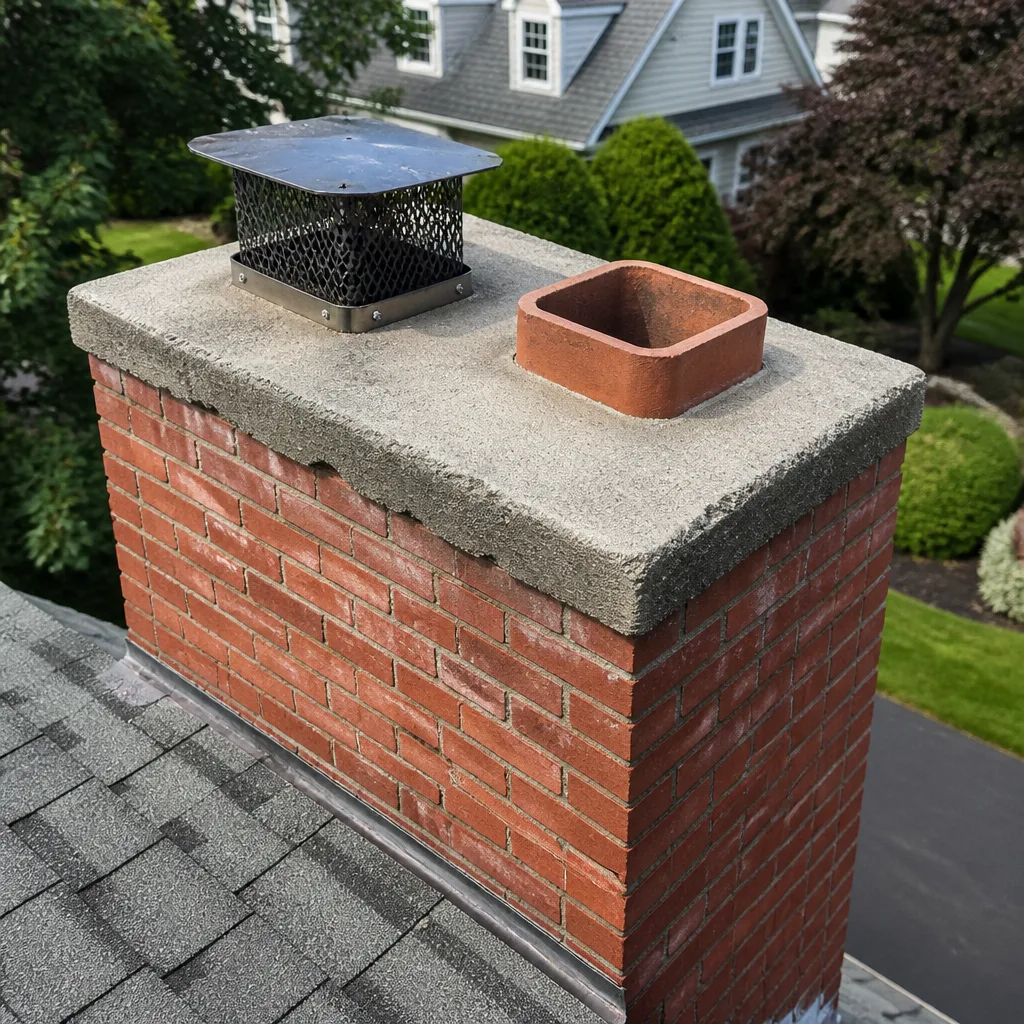
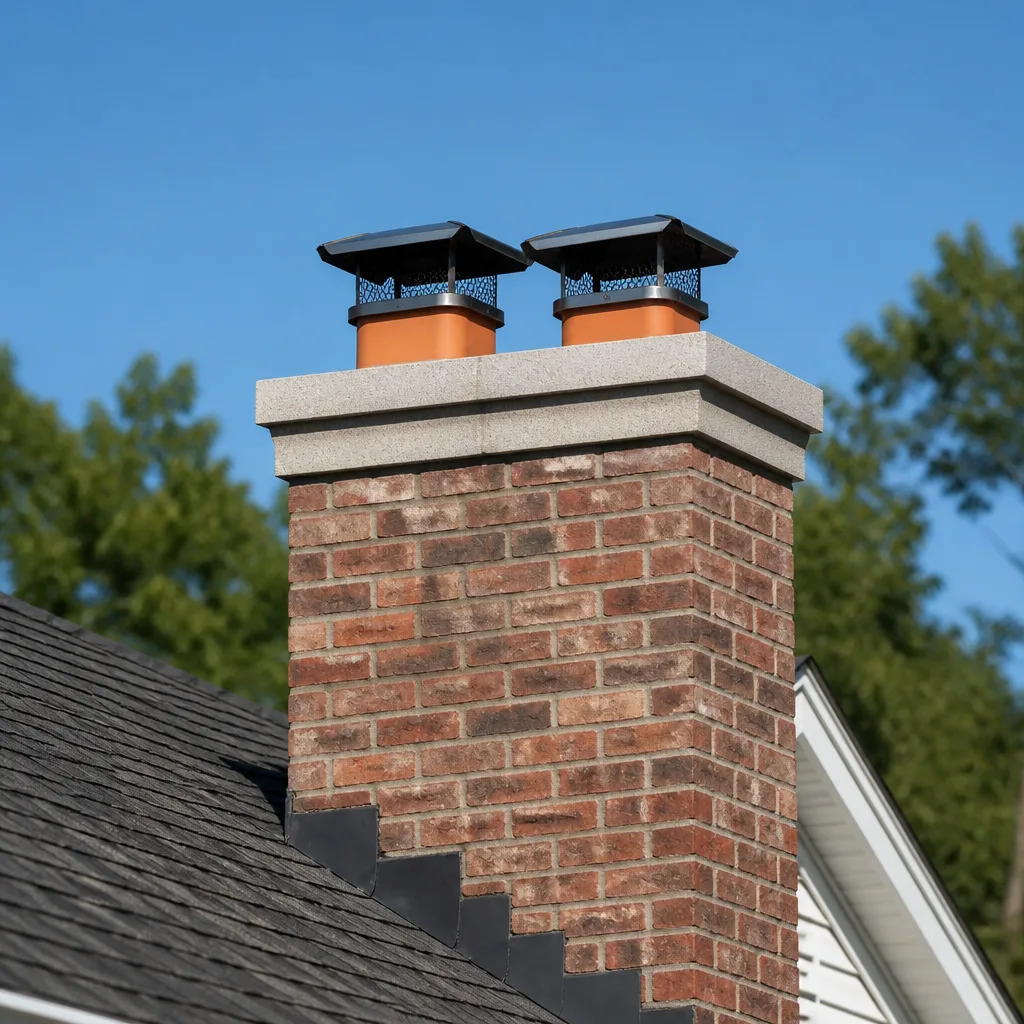 Caps & crowns
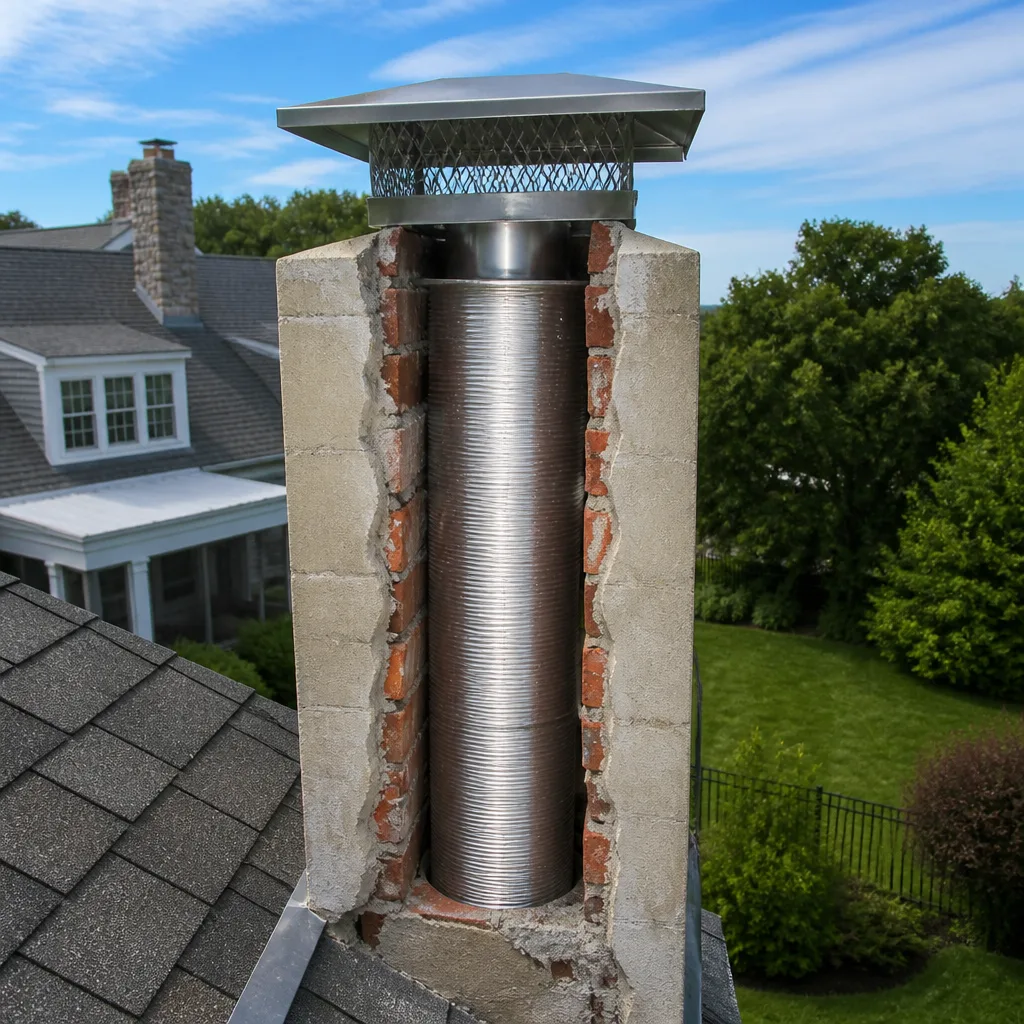 Flue relining
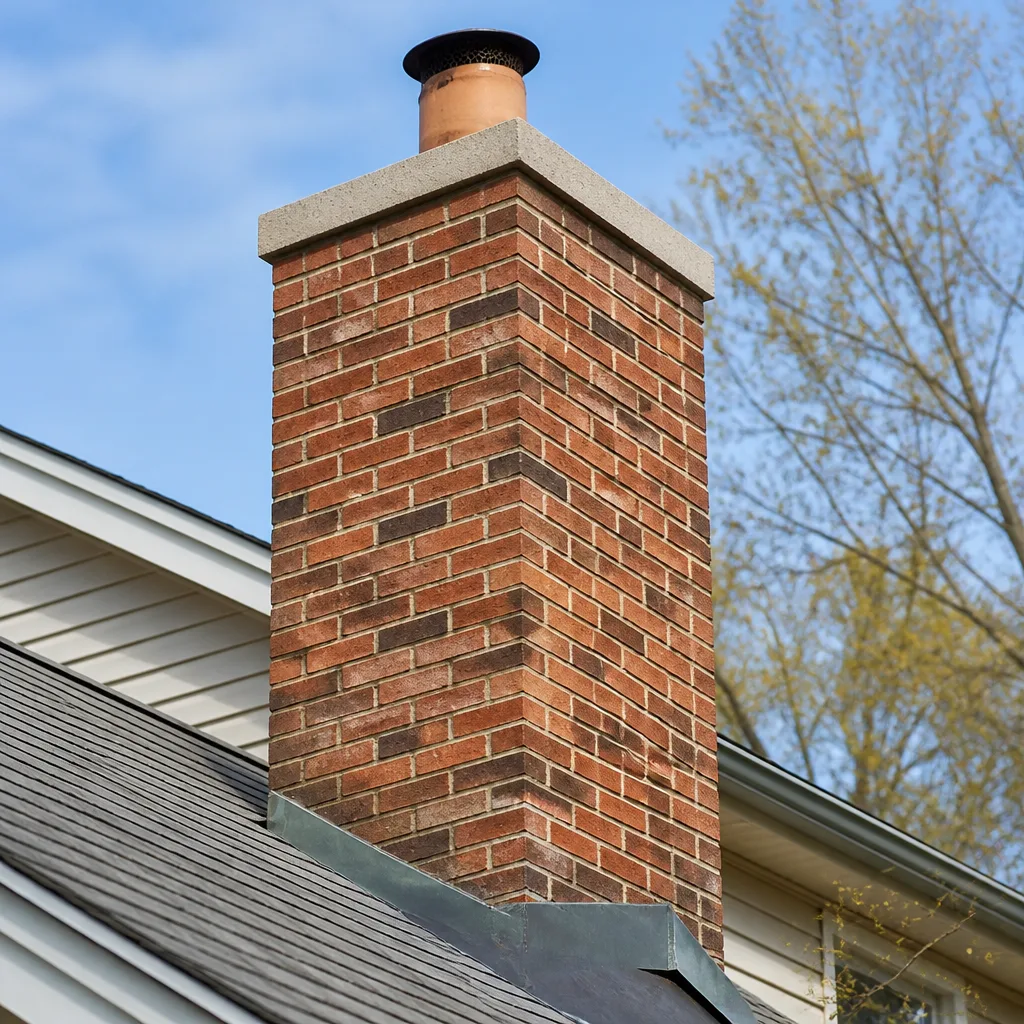 Masonry repair
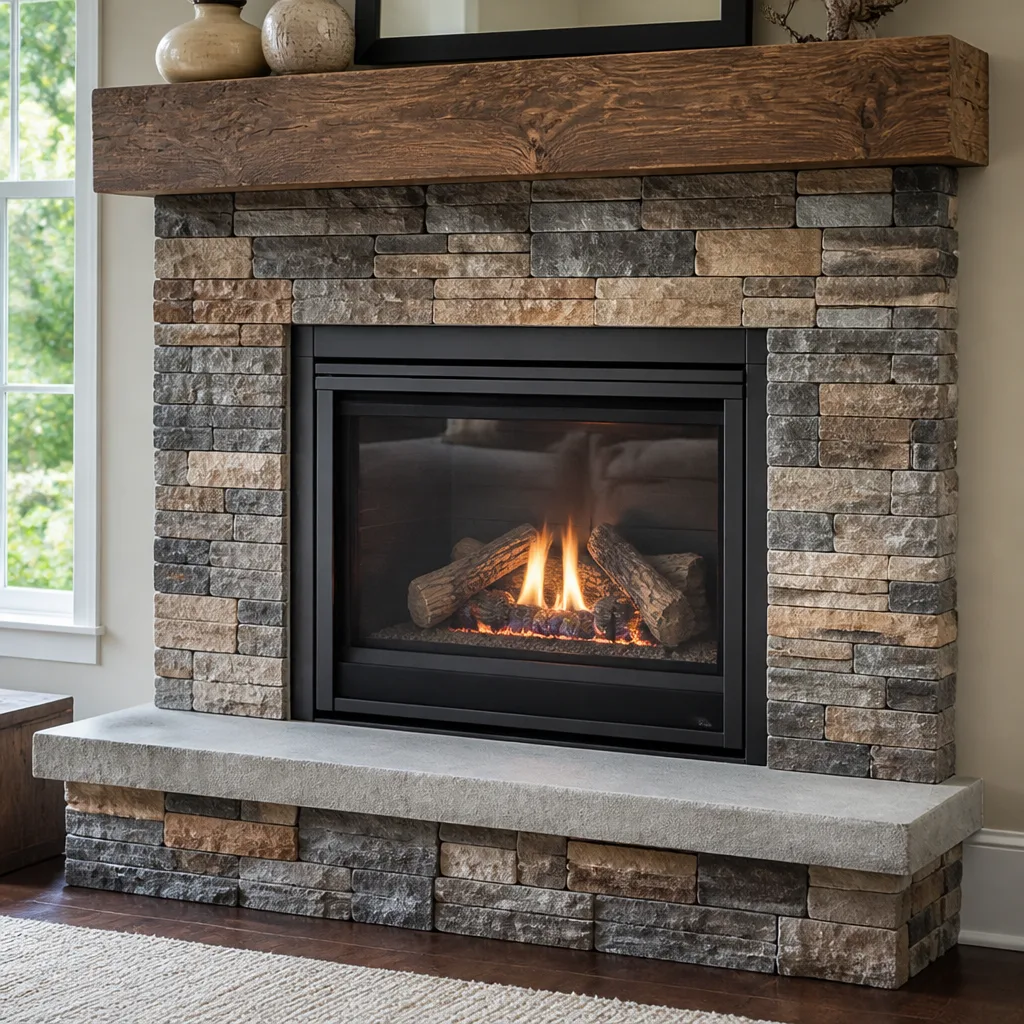 Gas fireplace service
Level 1 sweep and inspection to the NFPA 211 annual standard - flue, crown, cap, and flashing checked and photographed
Chimney sweep logs do not sweep chimneys. They loosen some creosote - which then falls where a brush and vacuum still have to collect it.
Chimney Cleaning Permits, Codes & Inspections in Vallejo, CA: What You Need to Know
A chimney liner replacement completed without a permit in Vallejo doesn’t just risk a code violation. It can create real trouble at resale and put your insurance coverage in question if something goes wrong later. Most homeowners assume the rules are all-or-nothing: either every chimney job needs a permit or none of them do. The truth sits in a gap that surprises people. A routine sweep is usually exempt. The repair that sweep uncovers often isn’t. This guide draws that line clearly, using California building code, Solano County amendments, and the NFPA 211 standard that sits underneath both. You’ll learn what needs a permit, when an inspection becomes legally required, and how to tell whether the contractor in your driveway is doing it right.
Quick Answer
In Vallejo, routine chimney cleaning generally does not require a permit, but most chimney repairs and all liner replacements do require one from the City of Vallejo Building Division. A Level 2 inspection is legally required at real estate transactions and after any chimney fire or seismic event, per California code and NFPA 211. If a contractor offers to skip the permit to save you money, that is a warning sign, not a favor.
Styles & brands we work with
- Sweep & inspection
- Caps & crowns
- Flue relining
- Masonry repair
- Gas fireplace service
Table of Contents
- Cleaning vs. Repair: Where the Permit Line Actually Falls
- The California Building Code Sections That Govern Chimney Work
- When a Level 2 Inspection Is Legally Required in California
- What Requires a Permit from the City of Vallejo Building Division
- NFPA 211 in Plain Language
- How to Verify Your Contractor Pulled the Permit
- What the Inspection Process Looks Like for a Liner Replacement
- Resale, Disclosure, and Why This Matters in Vallejo Real Estate
Cleaning vs. Repair: Where the Permit Line Actually Falls
The single most useful distinction in California chimney code is between maintenance and alteration. Cleaning is maintenance. Repairing, relining, or rebuilding is alteration. That word is what triggers the permit requirement, and it’s the word most homeowners never hear until a project is already underway.
A standard sweep removes creosote, soot, and blockages from the flue. It doesn’t change the structure of the chimney in any way that the building code cares about. No permit. A Level 1 inspection, which happens alongside a routine sweep, is visual only. Also no permit.
Here’s where it shifts:
- Cleaning the flue: No permit in a typical Vallejo home.
- A visual inspection (Level 1 or Level 2): No permit.
- Replacing a flue liner: Permit required.
- Rebuilding a firebox or smoke chamber: Permit required.
- Installing a new chimney cap or top-sealing damper in some configurations: Often permit required depending on scope.
- Adding or replacing a wood stove or insert: Permit required.
- Chasing or resurfacing a deteriorated liner: Permit required in most jurisdictions when the work changes the flue’s structural character.
The tricky part is that a sweep often finds the damage that leads to the repair. A homeowner books a cleaning and gets a recommendation for a liner replacement. That’s not a scam, but it’s the moment the permit question becomes real. Ask directly: “Will this repair require a permit, and are you pulling it?” A straightforward answer tells you a lot about who you’re dealing with.
We handle both sides of that line. Our chimney sweep in Vallejo includes a camera inspection so you can see the flue condition yourself before anyone recommends a repair. That evidence-first approach matters here, because the decision to permit or not follows from what’s actually visible in the flue.
The California Building Code Sections That Govern Chimney Work
California’s chimney rules live primarily in the California Building Code (CBC) and the California Residential Code (CRC), which adopt and amend the International Residential Code. The relevant chapters cover masonry chimneys, factory-built fireplaces, vents, and flue liners. For most Vallejo homeowners, the practical takeaway is that these codes defer to a national standard, NFPA 211, for the technical details of construction and inspection.
Two CBC sections matter most for the permit question:
- The maintenance exemption: Routine maintenance and repair that does not alter the structure or safety systems of a building generally doesn’t need a permit. Cleaning fits squarely here.
- The alteration provision: Any work that changes the structural character of a chimney or its venting system requires a permit and inspection. Liner replacement, firebox rebuild, and flue resurfacing all fall here.
Solano County and the City of Vallejo apply local amendments on top of the state code. These amendments mostly clarify permit scope and inspection sequencing rather than loosen or tighten the core rules. The important thing to know is that Vallejo operates under its own building division, and permits for residential chimney repairs are filed there, not with the county. That means the reviewer, the inspection schedule, and the sign-off all run through the city.
One more wrinkle: the California Residential Code also addresses seismic bracing for chimneys, which is relevant in a region with real seismic exposure. A masonry chimney that has lost its bracing may need more than a liner. When a sweep finds cracking or separation at the roofline in an older Vallejo home, that’s often a seismic or settling issue, and the repair scope can grow. If the scope includes structural work, the permit requirement is unambiguous.
When a Level 2 Inspection Is Legally Required in California
NFPA 211 defines three inspection levels, and California code references them in specific circumstances where a Level 1 visual check isn’t enough. Level 2 adds a video scan of the flue interior, accessible attic and crawlspace views, and inspection of connected appliance venting. It’s the level that catches hidden cracks, gaps at liner joints, and offset obstructions that a flashlight cannot see.
California law and standard practice require a Level 2 inspection in these situations:
- Before a real estate transaction. When a home with a wood-burning appliance changes hands, a Level 2 inspection is the accepted standard for documenting chimney condition. Buyers and their agents increasingly expect it, and lenders sometimes require it.
- After a chimney fire. Any known or suspected chimney fire warrants a Level 2 because heat exposure can crack liners and damage the smoke chamber in ways invisible from the firebox.
- After a seismic event. Given the region’s seismic exposure, a chimney that has been through a significant earthquake should be inspected at Level 2 before it’s used again.
- After a change to the appliance or fuel type. Swapping a wood insert, changing to a different fuel, or replacing a connected appliance requires a Level 2 to confirm the flue still matches the appliance.
- After any event likely to have damaged the chimney. That includes a nearby structure fire, a lightning strike, or severe wind that displaced a cap or crown.
Level 1 is the routine visual check that accompanies an annual sweep. Level 3 is a destructive investigation, reserved for cases where a hidden hazard must be opened up to be assessed. Most Vallejo homeowners will encounter Level 1 and Level 2, and the trigger for Level 2 is usually a transaction, a fire, or an earthquake.
This matters for resale in Vallejo’s older housing stock, where many homes date to the mid-20th century and chimneys were built to standards that have since been updated. A Level 2 gives a buyer documentation. It also gives a seller a clean answer when the buyer’s inspector flags the chimney.
What Requires a Permit from the City of Vallejo Building Division
Filing a permit in Vallejo means submitting an application to the City of Vallejo Building Division, describing the scope, and paying the associated fee. For chimney work, the scope typically includes the liner material, the appliance it serves, the venting configuration, and any structural changes. The permit is then closed out by an inspection after the work is done.
Work that generally requires a permit in Vallejo:
- Flue liner replacement, whether rigid or flexible
- Firebox rebuild or smoke chamber repair
- Flue resurfacing that alters the liner’s structural character
- Installation or replacement of a wood stove, insert, or gas appliance and its venting
- Structural chimney repair, including crown rebuilds, chase repair, and seismic bracing
- New chimney construction or major masonry reconstruction
Work that generally doesn’t:
- Routine sweeping and creosote removal
- Level 1 or Level 2 inspections
- Cap replacement where the existing cap is simply swapped and the flue is unaffected (but check, because scope varies)
- Minor cosmetic repairs that don’t touch the venting system
The honest answer for anything borderline is to call the Building Division and ask. Permit offices answer this question directly, and a quick call is cheaper than discovering at resale that a repair was never permitted. We file permits for the work we perform where the code requires it, and we won’t quote a job that skips one.
The materials that go into a permitted liner install matter too. We work with professional-grade lines including DuraFlex flexible liners for offset and retrofit flue paths, and HeatShield for flue resurfacing when a liner is still sound enough to restore rather than replace. Permitted work with documented materials is what an inspector expects to see, and it’s what your insurer will want if a claim ever comes up.
NFPA 211 in Plain Language
NFPA 211 is the national standard for chimneys, fireplaces, vents, and solid fuel-burning appliances. California code references it for the technical details of construction, inspection, and maintenance. In plain language, it sets the rules for how a flue should be built, what condition it must be in to be safe, and how to inspect it.
The parts of NFPA 211 a Vallejo homeowner will actually encounter:
Inspection levels. As covered above, Level 1 is a visual check, Level 2 adds a video scan and accessible-area inspection, and Level 3 is destructive. The standard defines when each is appropriate, and the triggers for Level 2 are the ones that show up in a real estate transaction, a fire, or an earthquake.
Flue condition. The standard requires a flue to be free of cracks, gaps, and obstructions, and it requires appliance venting to be properly sized to the appliance. A flue that’s too large for the appliance drafts poorly. Too small and it can’t handle the exhaust volume. If a sweep finds a liner that’s in good shape but deteriorating at the surface, resurfacing with a system like HeatShield can bring it back to standard without a full replacement.
Clearances. Combustible material must be kept a certain distance from flues and chimneys. A liner that has lost its insulation or a chase that has been altered can violate those clearances. This is often what a Level 2 inspection catches.
Chimney caps and spark arrestors. The standard addresses caps, and this is where parts quality shows. We use Famco and Copperfield components to replace caps, covers, and venting parts to code-compliant standards, because a cheap cap that doesn’t seal properly is a source of water intrusion and draft problems.
Maintenance frequency. The standard recommends sweeping at the frequency needed to keep creosote from accumulating to a hazardous level. For a household that burns regularly, that’s typically annually. For a household that burns a few times a season, less often. The standard doesn’t fix a number because it depends on the fuel and how the fireplace is used.
How to Verify Your Contractor Pulled the Permit
Asking “Did you pull the permit?” is the first step, but it isn’t the whole thing. Plenty of contractors answer that question affirmatively and then file nothing. Verification is straightforward, and any honest contractor expects it.
- Ask for the permit number before work starts. A permit number is issued when the application is filed, not after. If there’s no number before the crew arrives, the permit hasn’t been filed.
- Check the permit on the city’s online portal or by phone. The City of Vallejo Building Division can confirm an active permit by address, and their online system allows a public search in many cases.
- Confirm the scope matches the work. A permit for a cap replacement doesn’t cover a liner. The permit should describe what’s actually being installed.
- Confirm the inspection is scheduled. A permit isn’t closed until the inspector signs off. Ask who’s scheduling the inspection and when it’s expected.
- Get a copy of the closed permit after the inspection. This is the document you keep. Keep it with the rest of your home records.
If a contractor offers to skip the permit “to save you money,” the honest framing is that the money you save now is the money a future buyer’s inspector will ask you to spend later. Unpermitted structural work on a chimney can complicate a sale, and in some cases it can void insurance coverage if a loss is traced to the unpermitted work. That’s the part that doesn’t get mentioned in the sales pitch.
Verification is also a check on the contractor. A shop that files permits is a shop that expects its work to be inspected, and shops that expect to be inspected tend to install their materials correctly. That’s the whole point of the system.
What the Inspection Process Looks Like for a Liner Replacement
A permitted liner replacement in Vallejo follows a predictable sequence. Knowing it ahead of time removes the mystery and helps you spot a shortcut if one is being taken.
- Filing the permit. The contractor submits the application to the City of Vallejo Building Division with the scope: existing flue dimensions, appliance served, proposed liner material and size, and venting configuration.
- Pre-work inspection (if required). Some scopes call for a rough-in inspection before the liner goes in, particularly when the work changes structural elements or involves a firebox rebuild.
- The install. The old liner is removed, the flue is cleaned and inspected, the new liner or resurfacing is installed, and the cap and any connected venting are put back to code-compliant condition. Insulation and clearance details are part of this step.
- The final inspection. The city inspector reviews the liner, the appliance connection, the cap, and the clearances. Any deficiency is noted and corrected before sign-off.
- Sign-off and close-out. The permit is closed, and the contractor provides documentation. Keep the signed inspection record.
- Follow-up. The flue’s condition should be re-checked at your next annual sweep, and any change in appliance use warrants a fresh look.
Timelines vary with the building division’s inspection schedule, and we don’t quote specific windows. What we can say is that our technicians have up to 15 years of experience working within this process, and the job goes faster when the scope is accurate the first time. We’d rather file a permit and wait for inspection than install a liner and hope nobody looks.
Resale, Disclosure, and Why This Matters in Vallejo Real Estate
When a Vallejo home sells, the seller’s disclosure obligations include known material defects. An unpermitted chimney repair that failed or never met code is the kind of thing that surfaces in a buyer’s inspection and puts the deal on hold. That’s the practical reason permit rules matter even if you’re not planning to sell for years.
California real estate practice increasingly expects a Level 2 chimney inspection before close. That inspection will reveal the liner condition, and if the liner was replaced without a permit, the documentation gap is visible. Buyers ask for the permit. If there isn’t one, they ask for a discount or they walk. Either way, the seller has less leverage than they would with a closed permit in hand.
Insurance is the other half. Most homeowner policies expect permitted, code-compliant work. A loss traced to an unpermitted liner can lead to a denial, a contested claim, or a non-renewal. The policy language isn’t uniform, but the pattern is common enough that it’s worth knowing before you decide to skip a permit.
Vallejo’s housing stock makes this more than theoretical. Many homes here are older, and older chimneys often have liners that were installed to standards that have since been updated. When a sweep finds a liner that’s deteriorating, whether it actually needs a full replacement or can be resurfaced is a real question. Resurfacing with HeatShield is an option that preserves the existing liner’s structure when the flue is still sound, and it’s the kind of repair that should be documented with a permit just like a full replacement. The point isn’t to sell the biggest job. The point is that whatever gets installed, it should be installed under permit and documented in a way that survives the resale.
If you’re buying a home in Vallejo with a fireplace, budget for a Level 2 inspection as part of your due diligence. If you’re selling, get the inspection early so you can address findings before the buyer’s inspector does. Either way, ask for the permit history on the chimney, and if there’s a gap, get it documented.
Common Mistakes to Avoid
- Skipping the permit to save money. A contractor who offers this is trading a small filing fee for a much larger risk at resale and with your insurer. The savings never survive a contested claim.
- Assuming the sweep’s recommendation is the final word. A recommendation is the start of the conversation, not the end. Ask to see the camera footage and understand exactly what was found before you authorize anything.
- Confusing a Level 1 with a Level 2 inspection. If you’re buying or selling a home with a chimney in Vallejo, you need Level 2, which means a video scan, not a flashlight check. A Level 1 is not a substitute in a transaction.
- Skipping the inspection after a chimney fire. Heat damage can crack a liner in ways that aren’t visible from the firebox. A Level 2 finds it; a Level 1 may not.
- Not knowing your liner has options. Full replacement isn’t the only path when a flue is sound but the surface is failing. Resurfacing with HeatShield is a real alternative in many cases, and a shop that can do both will tell you which one fits.
- Hiring a contractor who won’t put the permit number in writing. “We’ll handle it” isn’t the same as a permit number and a scheduled inspection. Ask for both.
- Assuming a cheap cap is fine. Venting components are code-regulated. A non-compliant cap can cause draft problems and water intrusion that costs more to fix than the cap ever saved.
See the difference
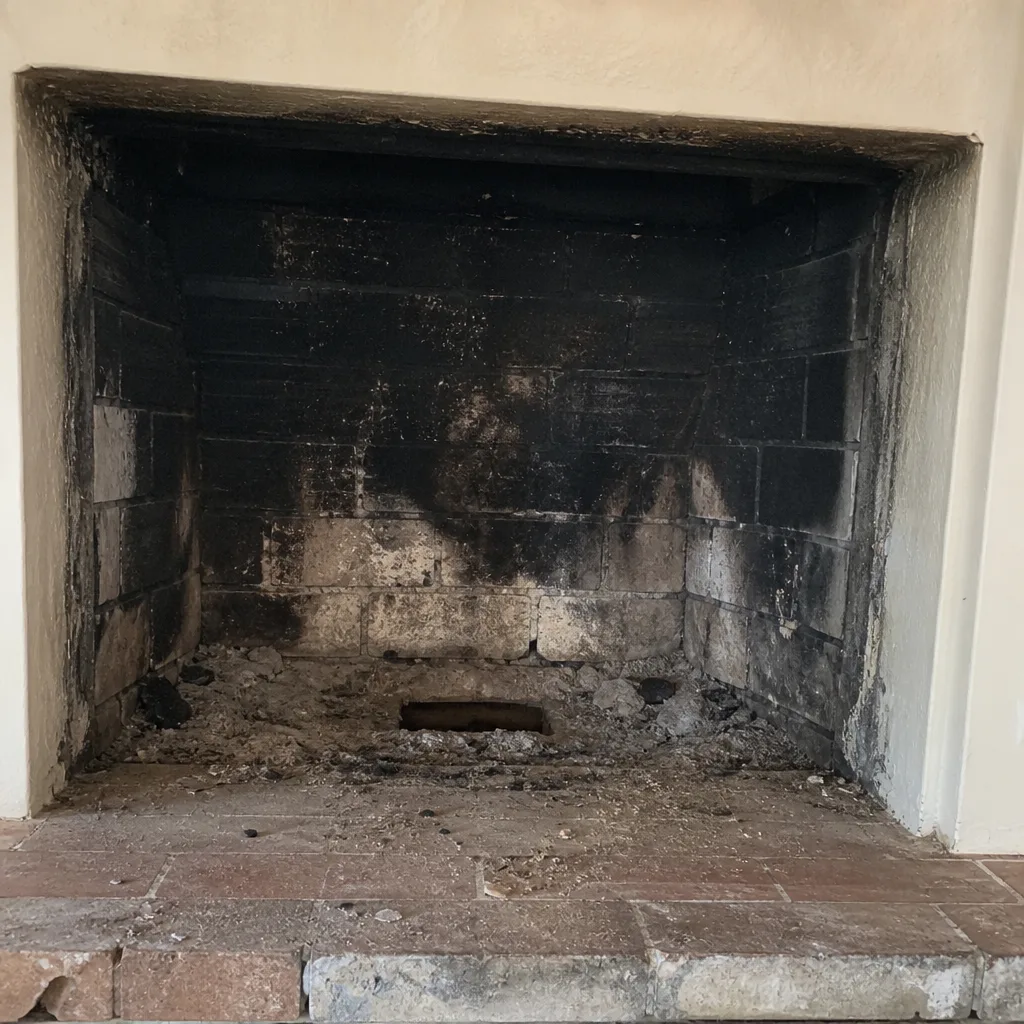 Before
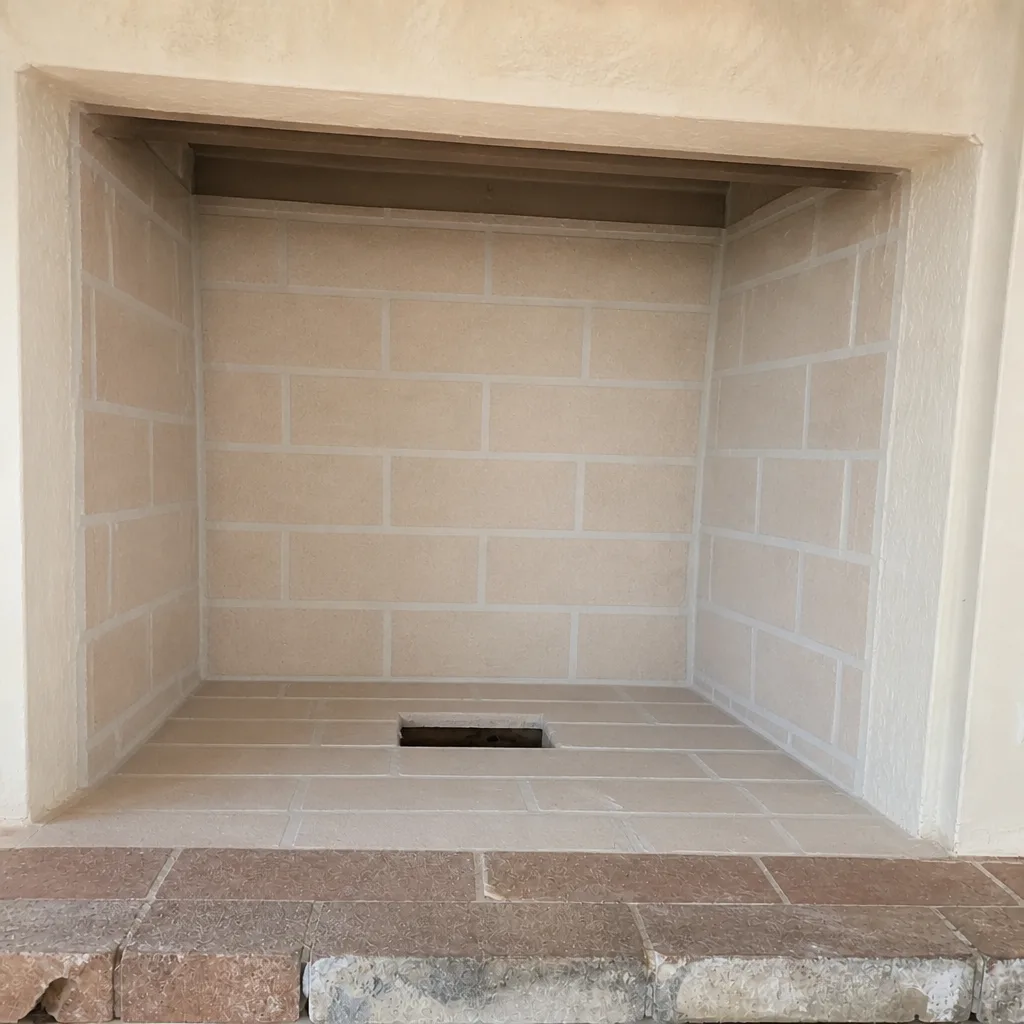 After
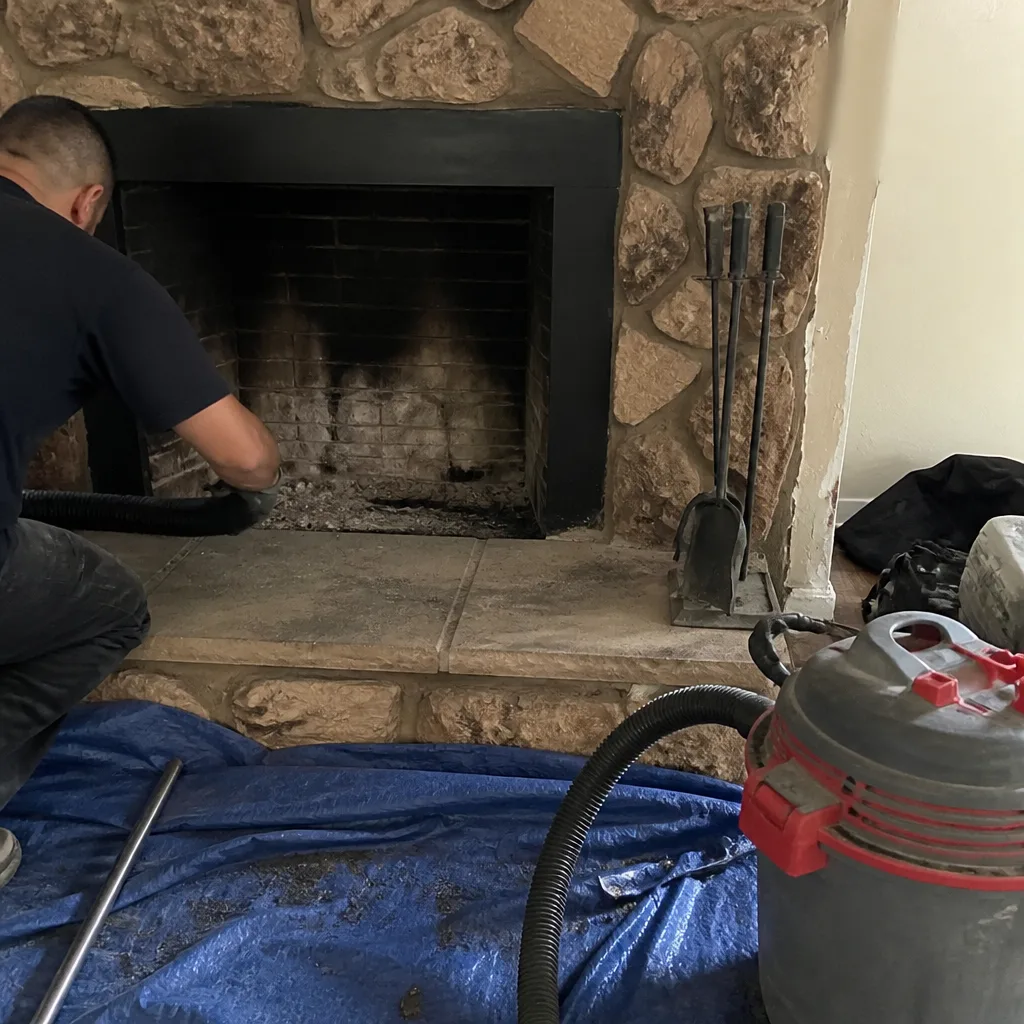 Before
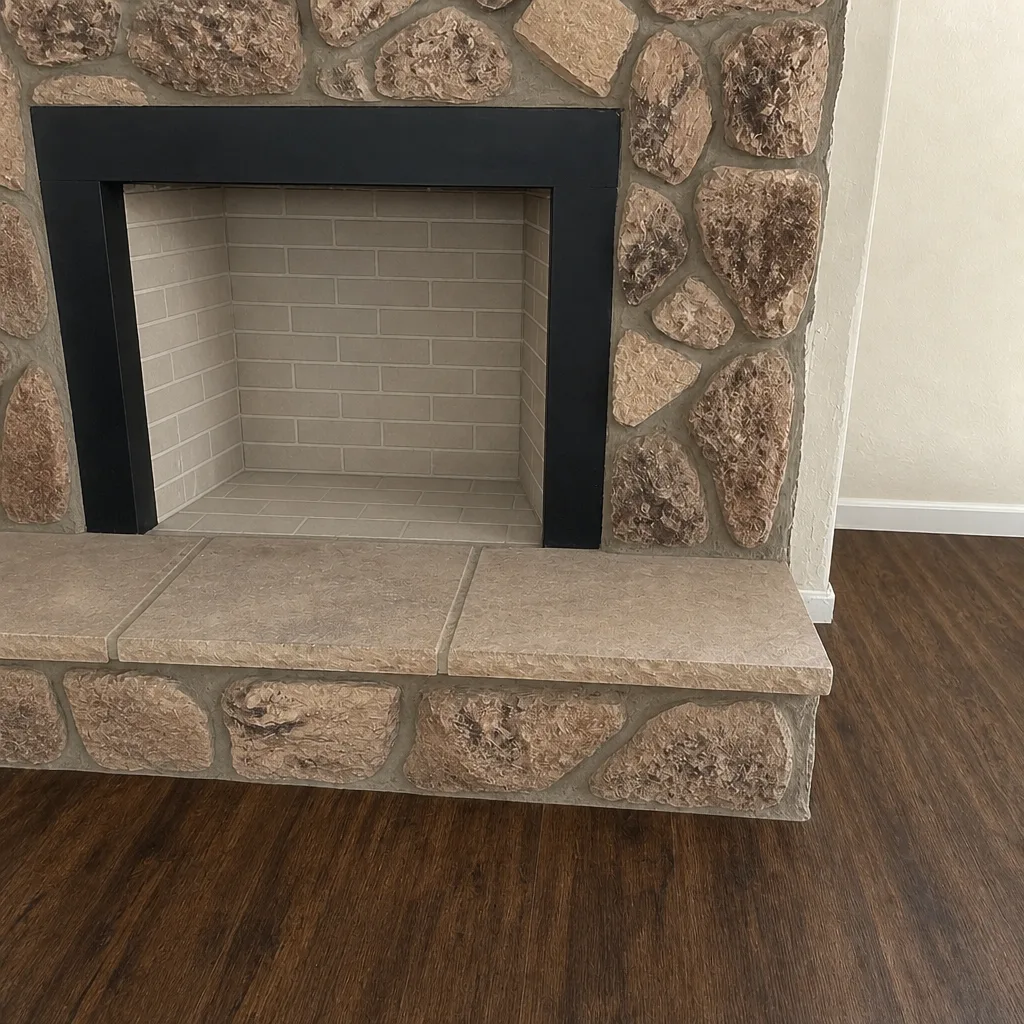 After
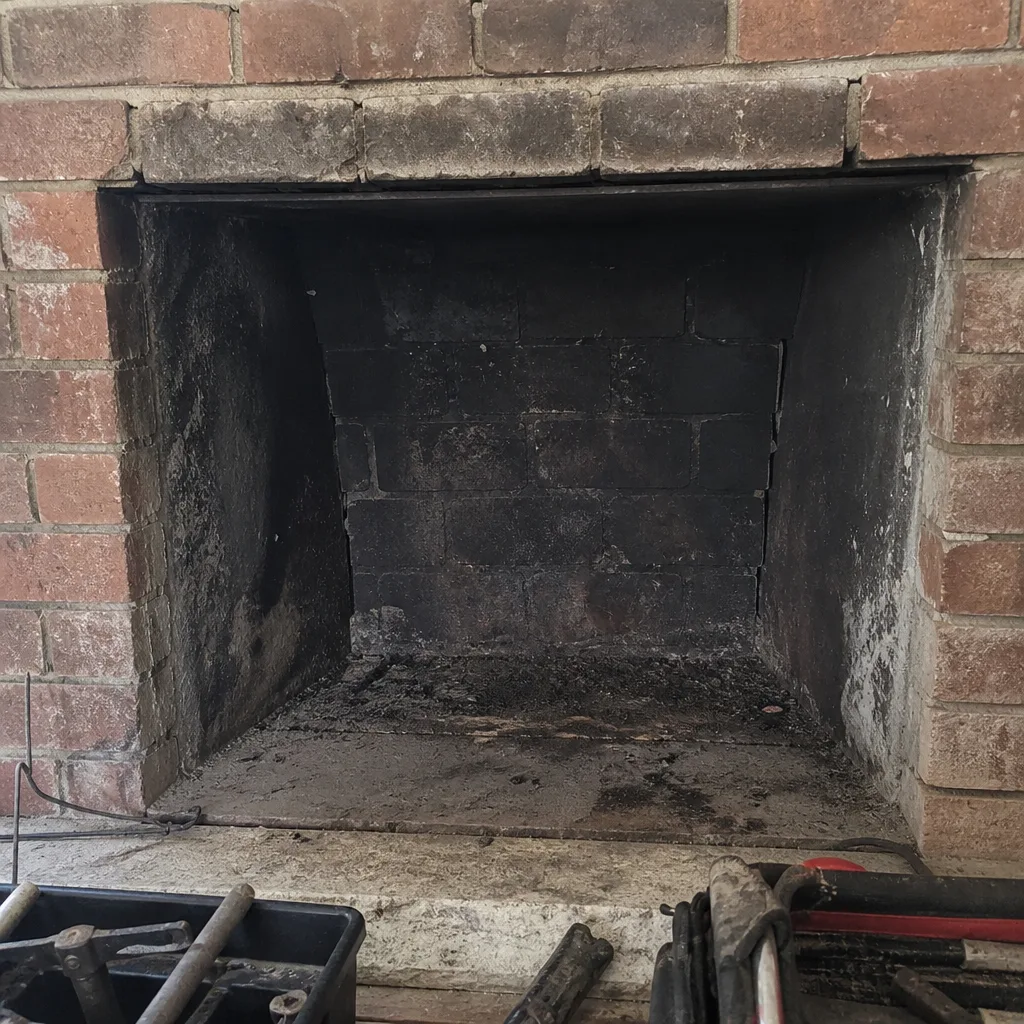 Before
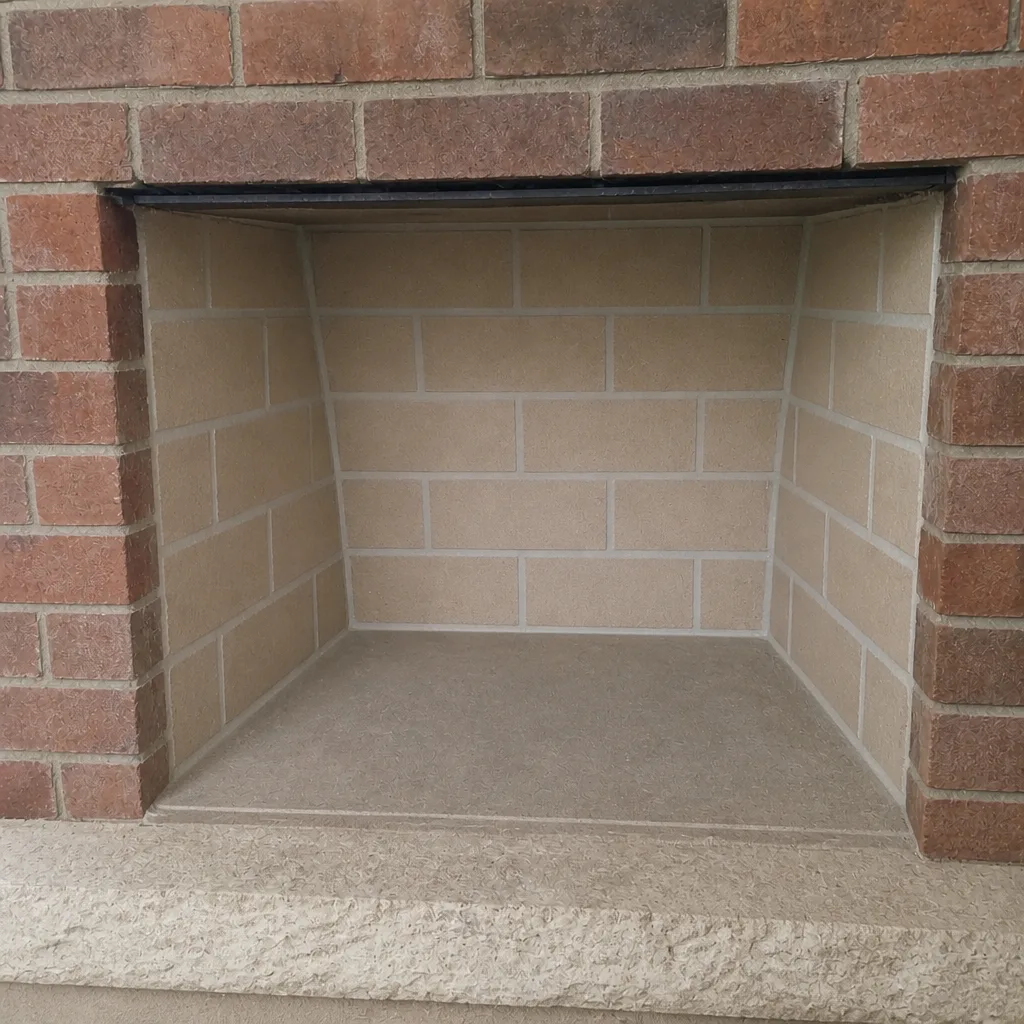 After
When to Call a Professional
Call a professional when a sweep finds damage that requires structural work, when a real estate transaction is in progress, after any known or suspected chimney fire, or after a significant seismic event in the region. Call us if the previous owner’s repair history on the chimney is unclear, if you’re seeing smoke backdrafting or water intrusion around the chimney, or if you’re due for a sweep and want the camera evidence that tells you whether a repair is actually needed. We’ll tell you exactly what we found and exactly what it needs, and we’ll say plainly when work can safely wait.
Chimney Sweep Vallejo offers free estimates in Vallejo. Call (844) 320-2881. We answer 24/7. Fast dispatch from 7am to 7pm, Sunday through Friday.
Frequently Asked Questions
No, routine chimney cleaning doesn’t require a permit in Vallejo because it’s maintenance, not alteration. A permit becomes necessary once the work changes the flue’s structure, which includes liner replacement, firebox rebuild, and flue resurfacing. Call (844) 320-2881 for an exact quote on a sweep or repair; estimates are free.
Yes, a Level 2 inspection is the standard before a real estate transaction involving a home with a wood-burning appliance, and buyers and their inspectors expect it. It includes a video scan of the flue and views of accessible attic and crawlspace areas, which is more than a routine visual check. Call (844) 320-2881 to book one in Vallejo.
Skipping the permit risks a code violation, complications at resale when a buyer’s inspector asks for documentation, and potential insurance issues if a loss is traced to the unpermitted work. The liner may also fail inspection if it was installed to a shortcut standard. Call (844) 320-2881 for a permitted repair quote; estimates are free.
Once a year is the general recommendation for a household that burns wood regularly, and more often for heavy use. Light use may allow a longer interval, but an annual Level 1 inspection is still worth doing. Call (844) 320-2881 to book a sweep and we’ll tell you what condition the flue is in.
Sometimes yes. If the flue structure is sound but the liner surface is deteriorating, HeatShield resurfacing can restore it without a full replacement. Ask to see the camera footage of the flue so you can judge the condition yourself. Call (844) 320-2881 for a second opinion in Vallejo.
Stop using the fireplace and get a Level 2 inspection before lighting it again, because heat damage can crack a liner in ways you can’t see from the firebox. That inspection also documents the condition for insurance purposes. Call (844) 320-2881 to schedule one.
The Bottom Line
The permit line in Vallejo chimney work falls between maintenance and alteration. Cleaning and routine inspection generally don’t require a permit. Liner replacement, firebox rebuild, flue resurfacing, and structural repair do, and the permit runs through the City of Vallejo Building Division. A Level 2 inspection is legally required at real estate transactions and after any fire or seismic event, and NFPA 211 is the standard underneath it all. Verify the permit before work starts and keep the inspection record after. That paperwork is what protects you at resale and with your insurer. For a permitted sweep or repair in Vallejo, call (844) 320-2881. We answer 24/7. Fast dispatch from 7am to 7pm, Sunday through Friday. Estimates are free, and we’ll tell you exactly what we found and exactly what it needs.
Written by the team at Chimney Sweep Vallejo.