
Last updated November 15, 2026
 Sweep & inspection
 Caps & crowns
 Flue relining
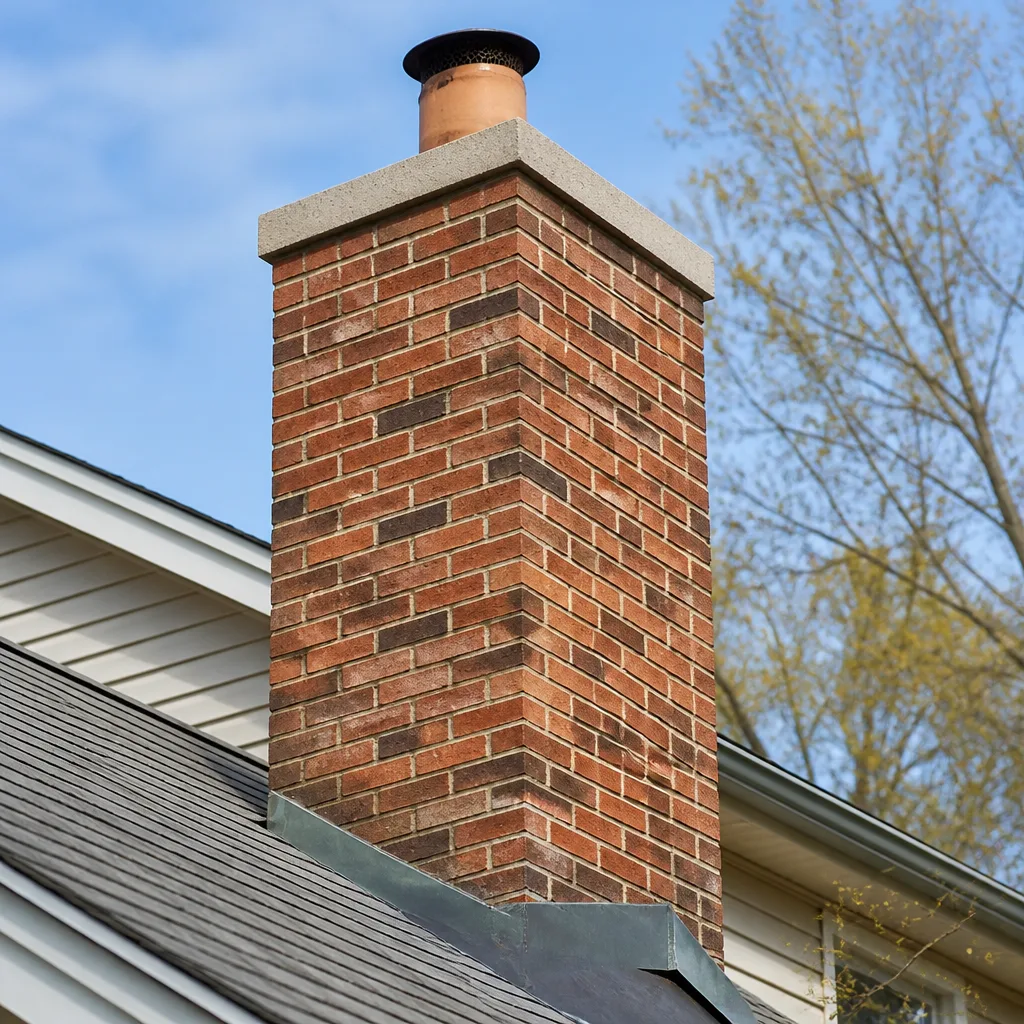 Masonry repair
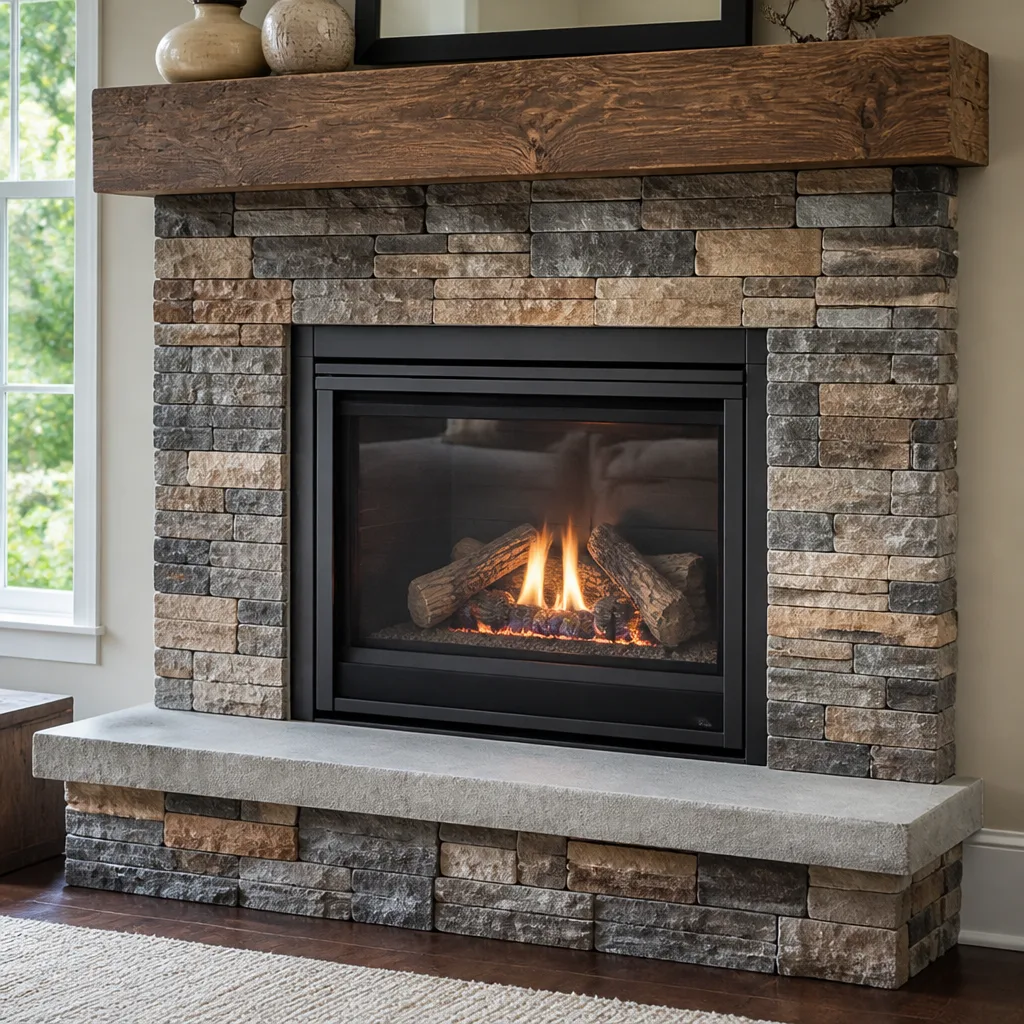 Gas fireplace service
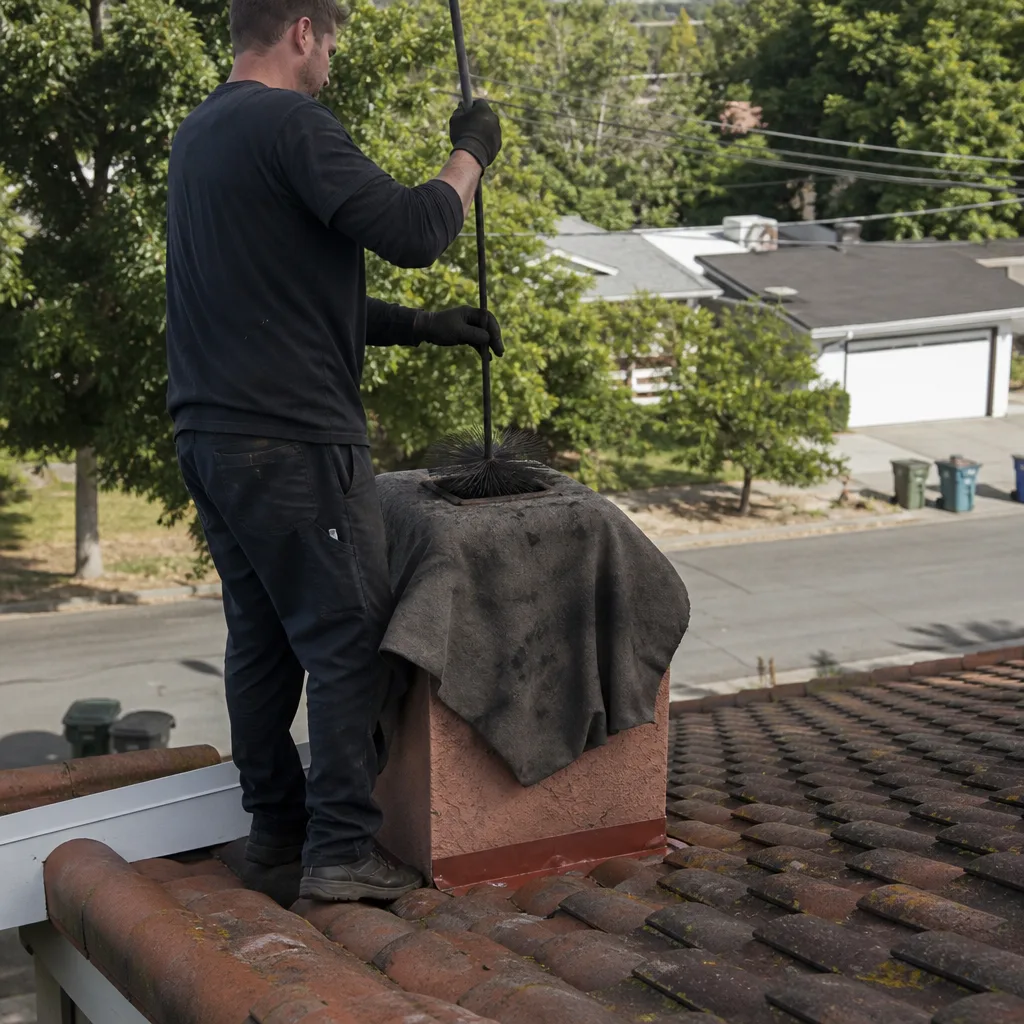
Level 1 sweep and inspection to the NFPA 211 annual standard - flue, crown, cap, and flashing checked and photographed
Chimney sweep logs do not sweep chimneys. They loosen some creosote - which then falls where a brush and vacuum still have to collect it.
Chimney Sweep Maintenance Schedule: What to Do and When
Two houses on the same Vallejo block can need wildly different chimney care. One homeowner burns three cords of seasoned oak every winter and runs the fireplace most nights from November through February. The other lights a Duraflame six times over the holidays and forgets the flue until spring. Treat them to the same annual sweep on the same month every year and one is throwing away money while the other is quietly accumulating creosote. That’s the flaw in most chimney advice you’ll read: it hands out one calendar and calls it a schedule. What actually determines how fast a flue degrades is fuel type, burn volume, wood moisture, and the condition of the liner underneath it all. This guide walks through a maintenance plan you build around your own burning habits, not somebody else’s. We run a full-service chimney shop in Vallejo, and we’ve seen what happens when a schedule is too loose and when it’s too aggressive.
Quick Answer
Sweep a wood-burning chimney once a year if you burn regularly, and every 12 to 18 months if you only light sporadic fires, with an inspection every year regardless of how much you burn. Get a pre-season inspection and sweep in fall before your first fire, and a lighter post-season check in spring to catch damage before the dry months. Gas and pellet appliances follow a different clock than wood, and dryer vents should be cleared annually. Your exact interval depends on cords burned, wood species, moisture content, and liner condition, all of which a professional inspection will tell you.
Styles & brands we work with
- Sweep & inspection
- Caps & crowns
- Flue relining
- Masonry repair
- Gas fireplace service
Table of Contents
- Why There’s No Single Chimney Schedule
- Building Your Interval Around Cords Burned and Wood Species
- Fall Pre-Season Prep: What Belongs in the Autumn Visit
- Spring Post-Season Inspection: Why It’s Not Interchangeable
- How Gas Insert Venting Ages Differently in Vallejo Homes
- Moisture Checks and Crown Inspection: The Structural Damage You Can Prevent
- What You Can Inspect Yourself vs. What Needs a Pro
- Adding Dryer Vents to Your Annual Schedule
Why There’s No Single Chimney Schedule
The calendar year is the least useful variable in chimney maintenance. What matters is how much creosote and soot your appliance deposits per season, how dry your fuel is, and how well the flue liner handles what’s passing through it. Creosote comes in stages, and the thicker, glazed forms are harder to remove and more likely to sustain combustion. A household that burns seasoned wood hot and clean produces far less of it than one that smolders damp wood at low heat, even if both burn the same number of cords.
Here’s what actually shifts your interval:
- Fuel type. Wood produces creosote; natural gas and propane produce different deposits and moisture but almost no creosote. Pellet appliances sit somewhere between. Each needs its own schedule.
- Burn frequency. A fireplace used most nights from fall through spring accumulates deposits far faster than one used a handful of times.
- Wood moisture. Wood above roughly 20 percent moisture burns cooler and smolders, laying down more creosote per cord. Seasoned hardwood is the goal.
- Liner condition. A cracked or deteriorating liner lets heat and corrosive byproducts reach the masonry, which changes both the risk and the maintenance needs.
- Chimney configuration. An exterior chimney runs colder than an interior one, which means slower draft and more condensation. Offset flues and tight clearances matter too.
In our experience running a chimney sweep service around Vallejo, the houses we inspect most often break into two rough camps: high-volume wood burners who need attention every single year, and low-use fireplace owners who can stretch an interval but still need the annual inspection. Those two groups should never be handed the same schedule.
Building Your Interval Around Cords Burned and Wood Species
Start with your own burn log. Track how many cords or partial cords you go through in a season and what species you’re burning. Then match that to a reasonable interval. What follows is a starting framework, not a rule carved in stone, because the inspection is what confirms your actual condition.
- Zero to one face cord per season. Light use. Inspect annually, sweep every 12 to 18 months unless the inspection finds heavy buildup.
- One to two cords per season. Moderate use. Sweep and inspect every year before the season starts.
- Two to three cords per season. Regular use. Sweep every year, and schedule the pre-season visit early enough that repairs can be completed before cold weather.
- Three or more cords per season. Heavy use. Sweep every year and expect to inspect the liner more closely, since heavy deposit volumes stress the flue.
Wood species changes the math more than most homeowners expect. Softwoods like pine and fir burn hot and fast and deposit more creosote per cord than dense hardwoods like oak or almond. If you’re burning a lot of softwood, especially at low damper settings, tighten the interval. If you burn dry oak hot and clean, you can lean toward the looser end.
The moisture check matters as much as species. Kiln-dried wood is reliably below the 20 percent threshold. Split wood stacked and covered for a full season gets there too. Green wood, or wood stacked tight under a tarp where it stays damp, doesn’t, and it lays down far more creosote. A simple moisture meter at the split face gives you a number in seconds, and it’s the single best investment you can make in your own chimney.
Fall Pre-Season Prep: What Belongs in the Autumn Visit
Fall is where the real work happens. The idea is to have everything verified and corrected before the first fire of the season, so nothing unsafe gets used. The autumn visit is the one that matters most, and here’s what it should cover:
- Full inspection. Smoke chamber, damper, firebox, flue, cap, and crown, all checked visually and with a camera where the flue can’t be seen directly.
- Sweep. Removal of soot and creosote from the flue, smoke shelf, and firebox. The camera goes back in afterward to confirm a clean, intact flue.
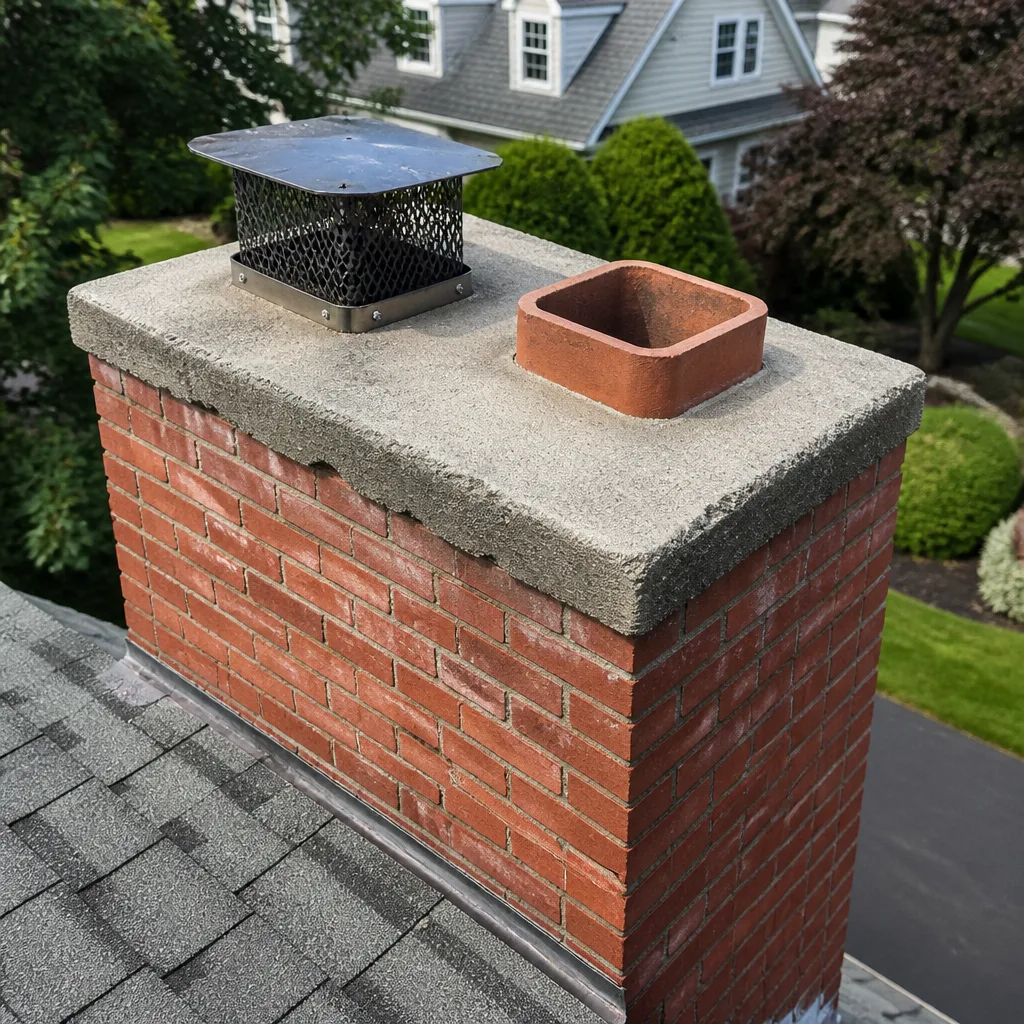
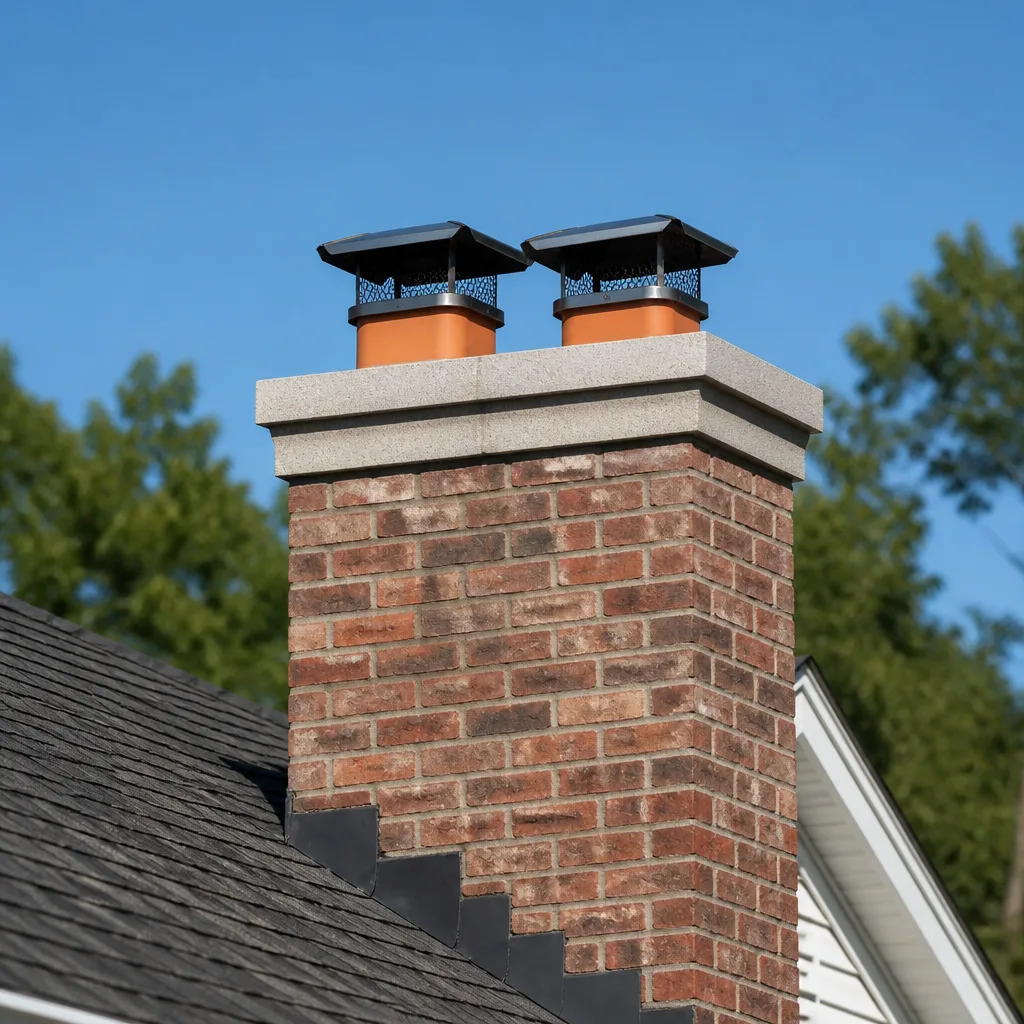
- Crown and cap inspection. The crown is the concrete cap on top of the chimney that sheds water off the masonry. A cracked crown lets water into the structure and is a leading cause of chimney deterioration. The chimney cap keeps rain, birds, and debris out of the flue. We replace these with code-compliant components from Famco and Copperfield when they’ve failed.
- Damper and smoke chamber check. The damper needs to open and close freely and seal when closed. The smoke chamber should be smooth and parged; rough surfaces collect creosote and slow smoke.
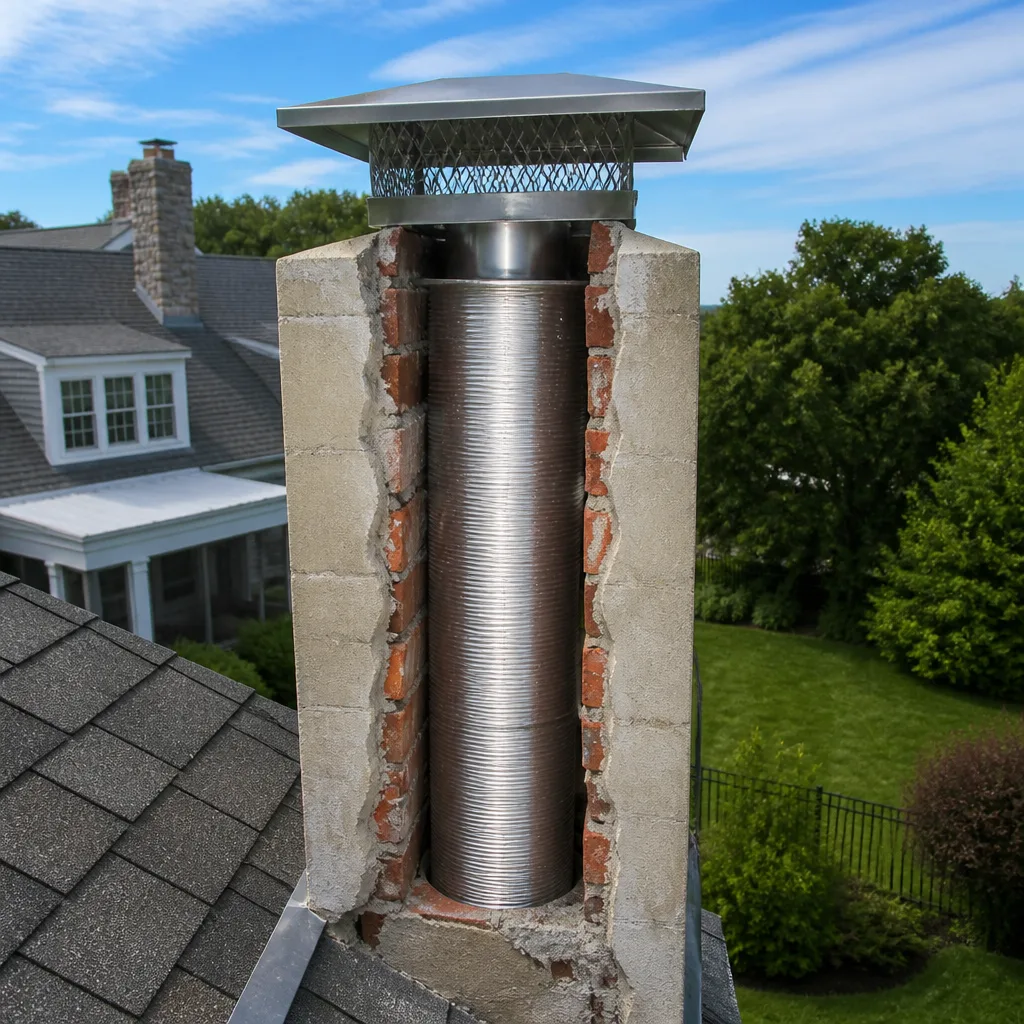
- Liner assessment. A visual inspection of the liner for cracks, gaps, or missing tiles. If the liner is deteriorating but hasn’t failed, resurfacing with HeatShield can often extend its life without a full replacement.
- Draft test. Confirms the chimney will actually pull smoke when the fireplace is running.
Once completed, you’ll have a written report, photos, and a clear picture of what needs to be done before you light the first fire. Skipping the fall visit and jumping straight to use in November is how small issues become chimney fires. Book it before the season, not during it.
Spring Post-Season Inspection: Why It’s Not Interchangeable
The spring visit answers different questions than the fall one. Fall is about readiness; spring is about damage assessment. A season of heavy burning reveals problems that didn’t exist in October. Masonry cracks from thermal cycling, crown cracking from winter rain, and liner wear all show up best after a full season of use.
Spring is also when repairs are cheapest to schedule. The chimney trade gets busy in fall. If your inspection in spring flags a cracked crown, a failing cap, or a liner that needs resurfacing, you have months to get it corrected before the next season. Do it now and you avoid the scramble when the weather turns.
The spring tasks that belong on your list:
- Visual inspection of the exterior chimney, crown, and flashing from the roof and from the ground.
- Camera inspection of the flue to look for new cracks, spalling, or liner separation from a season of use.
- Check the firebox for cracks in the brick or mortar joints; firebox cracks let heat into the structure behind the fireplace.
- Check the damper for corrosion or binding.
- Clear debris, nests, and leaves from the cap and smoke shelf.
- Note any wood moisture issues from the season and adjust your fuel sourcing.
Vallejo’s dry summers make spring and early summer a good window for exterior work like crown repair, cap replacement, and flashing repairs, since you’re not fighting rain. Getting a Vallejo chimney inspection done in the spring lets you schedule repair work during a season when the chimney isn’t in use and there’s no rush on materials.
How Gas Insert Venting Ages Differently in Vallejo Homes
Gas inserts and gas fireplaces are common in Vallejo, especially in older homes that were converted away from wood. They’re cleaner to run and don’t produce creosote, so homeowners reasonably assume the chimney never needs attention. It does, just differently. Gas appliances produce moisture and mild acidic condensate, which can degrade a flue liner over time, especially a clay tile liner in an older masonry chimney. If the gas appliance vents into a flue that was sized for wood, there can also be draft and condensation problems.
The gas maintenance clock looks like this:
- Annual inspection of the venting, termination, and surrounding flue. Even a clean-burning appliance can develop a venting problem that goes unnoticed until it becomes a backdraft or a carbon monoxide concern.
- Every few years, a closer look at the liner for condensate damage, especially in exterior chimneys.
- Termination cap check at least once a year, since birds and debris will happily nest in a gas flue termination.
- Carbon monoxide alarm testing in the room, at the start of every heating season.
Pellet stoves sit between wood and gas. They burn cleaner than wood but still produce ash and some creosote, and they need annual sweeping plus venting inspection. If you’ve recently converted to gas, get a professional to confirm the existing flue is appropriate for the new appliance. A gas insert that vents into an oversized flue designed for wood can underperform and create real safety concerns.
One more distinction worth knowing: a dryer vent cleaning service is separate from gas flue work, even though both are venting issues. They’re different systems with different failure modes, and both belong on your annual home maintenance calendar. We handle dryer vent cleaning alongside chimney work for exactly this reason; homeowners who call us for one usually need both checked.
Moisture Checks and Crown Inspection: The Structural Damage You Can Prevent
Almost every chimney rebuild we get called to starts with water. A cracked crown, failed flashing, or missing cap lets water into the masonry, and water in masonry is a slow, expensive problem. It freezes and expands in some climates (not a major concern in Vallejo’s mild winters), but even without freezing, water dissolves mortar, rots framing near the chimney, rusts dampers, and corrodes the metal components. The difference between a routine sweep and a structural rebuild is often whether someone caught a cracked crown early.
The pieces that matter most:
- The crown. The concrete surface on top of the chimney should slope away from the flue and be free of cracks. Small cracks can be sealed; large cracks or a failed crown need replacement.
- The flashing. The metal where the chimney meets the roof. Failed flashing is the single most common source of water infiltration into a chimney chase.
- The cap. Keeps water out of the flue, keeps birds and debris out, and sparks from reaching the roof. If it’s missing or damaged, replace it with a code-compliant option from Famco or Copperfield.
- Mortar joints. Crumbling mortar lets water into the masonry. Repointing is cheaper than rebuilding.
- The flue liner. A cracked liner lets heat and moisture reach the surrounding masonry. This is where HeatShield resurfacing can be a real cost saver. It restores the liner surface without removing the existing flue, in cases where the liner is scored, spalled, or lightly cracked but structurally intact.
A moisture check involves looking for damp masonry, spalling brick, efflorescence (the white mineral staining), or visible water stains on the ceiling near the chimney. If you see any of these, schedule a professional inspection rather than waiting for the annual visit. Water damage compounds quickly, and the cost of a crown repair versus a rebuild is not close.
What You Can Inspect Yourself vs. What Needs a Pro
There’s a legitimate list of things a homeowner can check safely, and a clear list of things that need professional eyes and equipment. Knowing the difference keeps you safe and stops you from missing something that matters.
What you can safely check yourself
- Visible firebox condition. Look for cracks in the firebrick, dark staining, or crumbling mortar. Nothing that requires reaching inside beyond arm’s length.
- Damper operation. Open and close it while the fire is cold. It should move freely and seal flush when closed.
- The visible portion of the cap. From the ground, confirm the cap is present and intact. Don’t climb up to inspect it if you’re not comfortable on a roof.
- Smoke behavior. If smoke spills into the room instead of going up the flue, the chimney isn’t drafting correctly. Note the conditions and call a professional.
- Visible moisture signs. Damp patches on the ceiling near the chimney, rusted damper, white staining on exterior masonry, or water in the firebox.
- Creosote visible at the top of the firebox or smoke chamber. If you can see thick, glossy creosote, you’ve gone past your interval and need a sweep now.
What needs a professional
- The flue interior. You can’t inspect a flue properly without a camera. The upper sections and any offset are not visible from the firebox.
- The chimney crown, tile liners, and flashing. These need a safe vantage point on the roof and a trained eye for early signs of failure.
- Draft performance testing. Confirms the chimney will actually work under real conditions.
- Liner condition assessment. Determining whether a liner is serviceable, resurfaceable with HeatShield, or needs replacement requires professional evaluation.
- Anything involving a rooftop. Steep roofs and heights are the most common cause of serious injury on this work. This is a trained-professional job.
The honest answer to “can I inspect my own chimney” is that you can watch for warning signs, and that watching matters. But you can’t verify the state of your flue, liner, or crown safely. That’s an annual professional visit.
Adding Dryer Vents to Your Annual Schedule
Dryer vent cleaning belongs on the same annual maintenance calendar as your chimney, and for a similar reason. Lint accumulating in a dryer vent restricts airflow, which raises exhaust temperature and creates a fire risk. The vent also collects the moisture from every load, and a clogged or partially clogged vent makes the dryer run longer, which cycles more lint, which compounds the problem. For many homeowners this is the highest fire-risk item in the house, and it’s the one they routinely forget.
Once a year is the baseline for a typical household. Bump it to every six months if you have a large family and run multiple loads daily. Also check for:
- A dryer that takes much longer than it used to.
- The dryer or the vent feeling hot to the touch during a cycle.
- Visible lint around the exterior vent hood.
- A crushed or kinked vent behind the dryer.
- A dryer that needs more than one cycle to dry a load.
Clearing the dryer vent isn’t a housekeeping chore; it’s a safety task, and it fits neatly alongside your chimney visit. We clean dryer vents in Vallejo as part of the same service visit as chimney work, which means one call covers both venting systems on the same visit.
Common Mistakes to Avoid
- Treating every chimney the same. A three-cord-a-season wood burner and a once-a-year fireplace user don’t share a schedule. Ignoring that means either spending money you don’t need to spend or missing buildup that’s already there.
- Skipping the spring inspection. Fall gets the attention because that’s when the fireplace gets used. Spring is when the damage from a season of use actually shows up, and it’s when repair scheduling is easiest.
- Assuming gas means maintenance-free. Gas appliances still vent into a flue that can degrade, and a poorly venting gas appliance is a carbon monoxide concern. Annual inspection still applies.
- Ignoring the crown and cap. Long-term chimney damage usually starts with water infiltration through a cracked crown or a failed cap. These are cheap repairs when caught early and structural problems when they aren’t.
- Using green or unseasoned wood. Wood above 20 percent moisture burns cool and lays down far more creosote per cord. Buying split, seasoned wood and confirming it with a moisture meter changes your maintenance interval because it changes your deposit rate.
- Burning on a schedule, not on condition. If you have heavy buildup at the end of the season, the interval shortens regardless of the calendar. If your flue is clean and dry, you can stretch. The inspection is the authority, not the month.
- Believing a sweep and an inspection are the same thing. A sweep cleans; an inspection tells you whether the liner, crown, and cap are actually in good condition. You need both, and every sweep should come with an inspection report and photos you can review.
See the difference
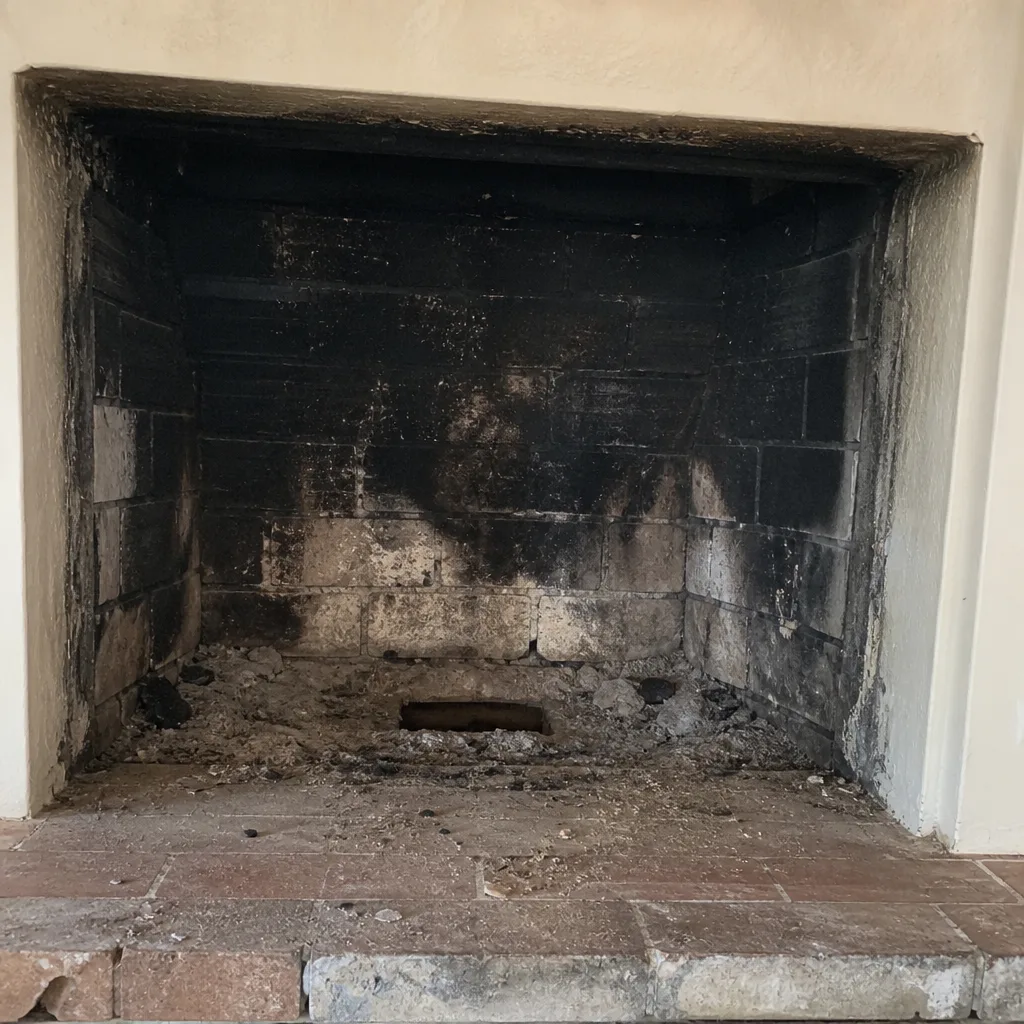 Before
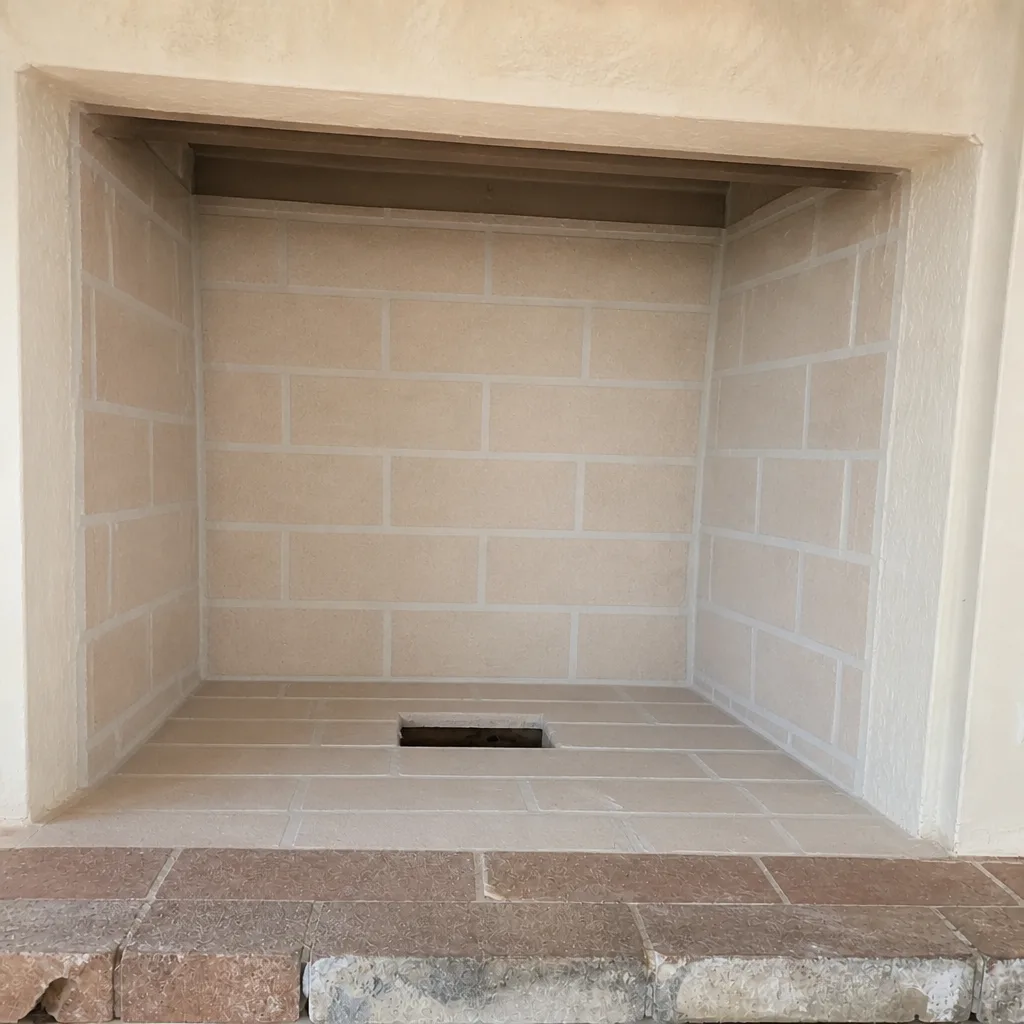 After
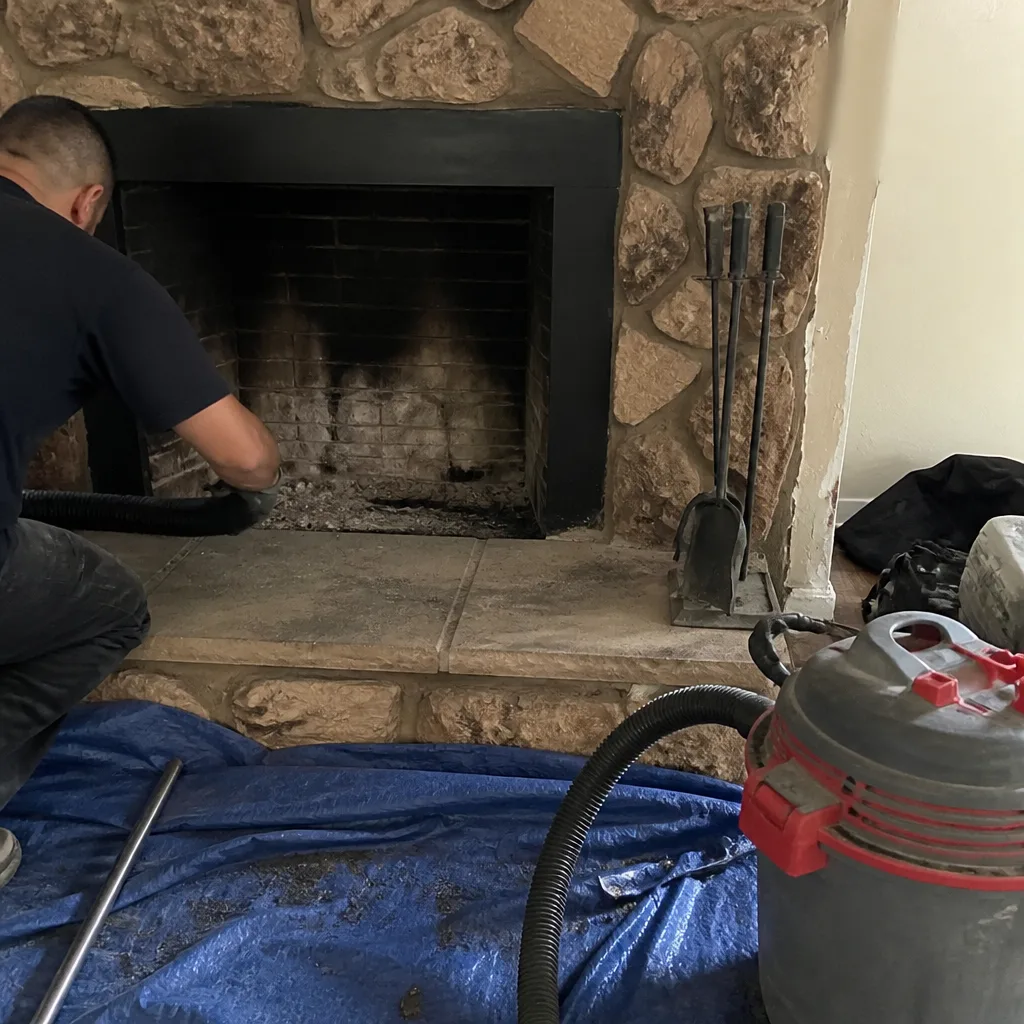 Before
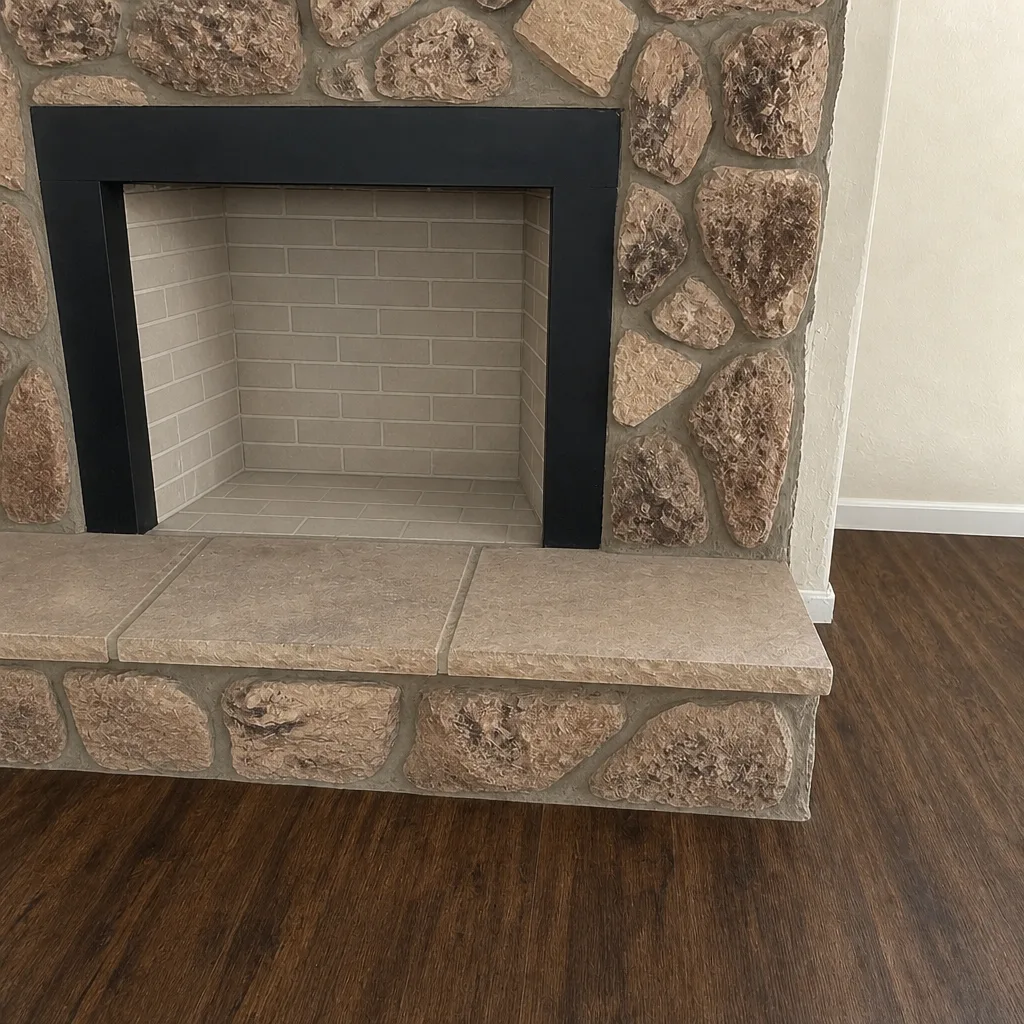 After
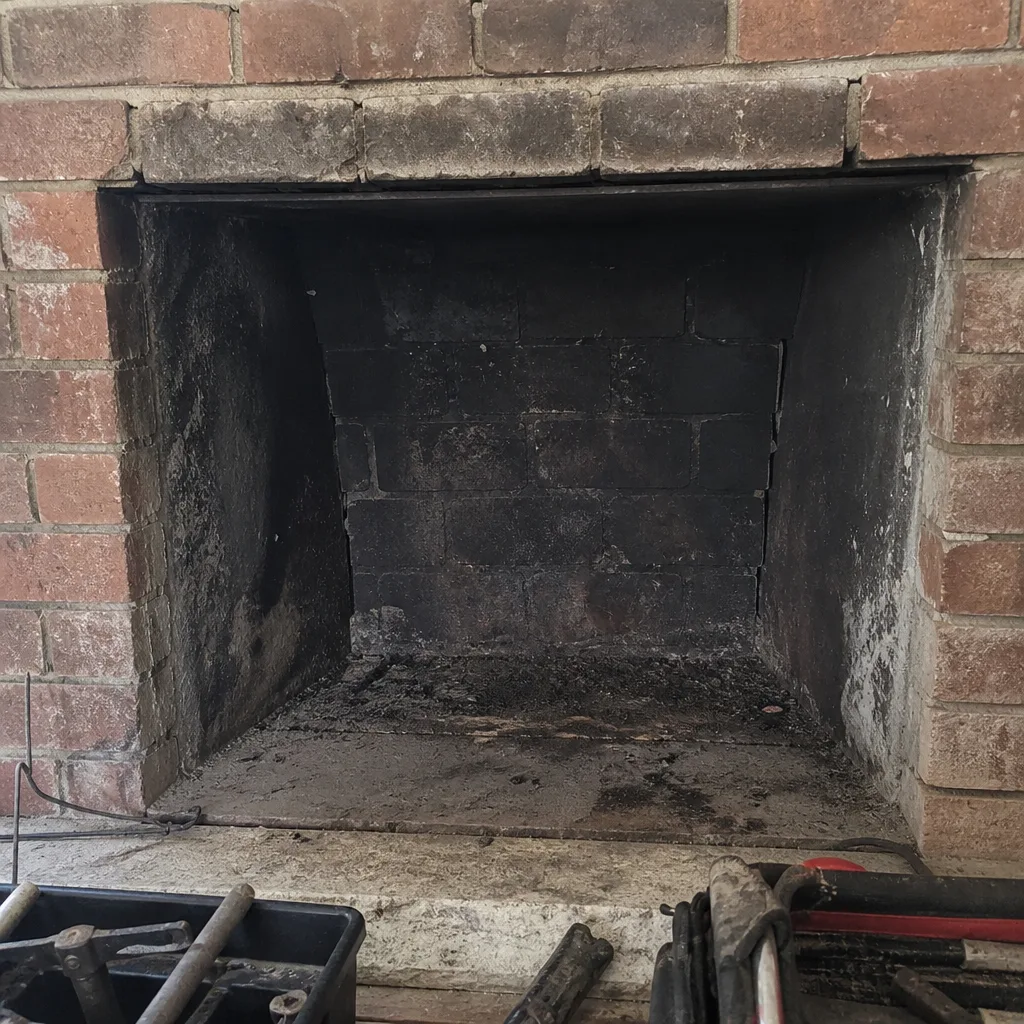 Before
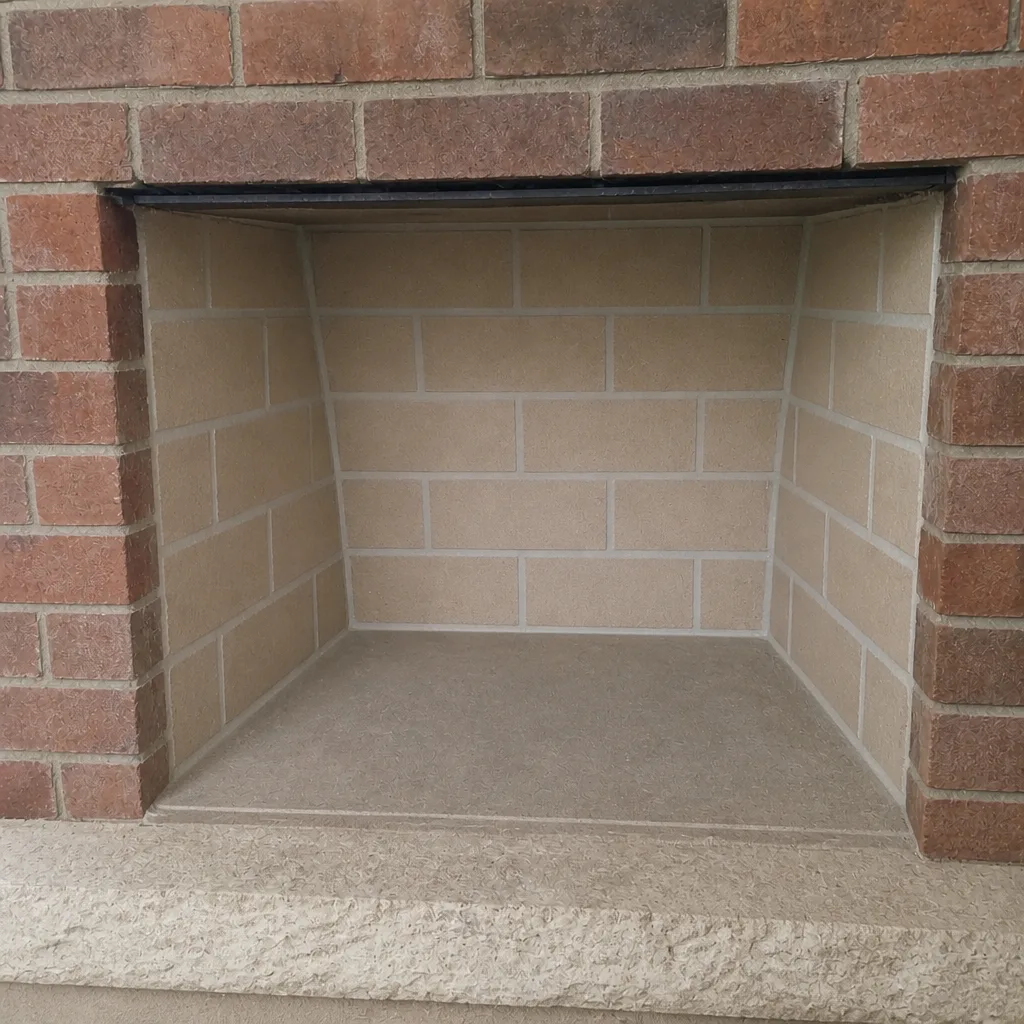 After
When to Call a Professional
Call a professional if the smoke from your fireplace spills into the room rather than going up the flue, or if the fire doesn’t draw well even with a hot fire and damper open. Call if you see thick, glossy creosote in the firebox or at the top of the flue. Call if you see water stains on the ceiling near the chimney, damp masonry, or rust on the damper. Call if the crown is visibly cracked from the ground, or if the cap is missing or damaged. Call if the firebox has visible cracks in the firebrick or mortar. Call if you’ve never had the chimney inspected and you’ve been using the fireplace. And call if you’re simply not sure.
Chimney Sweep Vallejo offers free estimates in Vallejo. Call (844) 320-2881. Our technicians have up to 15 years of experience, and they work with HeatShield resurfacing, DuraFlex flexible liner systems, and code-compliant components from Famco and Copperfield. Nothing gets recommended without camera evidence you can see for yourself.
Frequently Asked Questions
Once a year if you burn wood regularly, and every 12 to 18 months if you burn only sporadically, with a professional inspection annually regardless. Your exact interval depends on cords burned, wood species, moisture content, and liner condition, so build the schedule around your actual burning habits rather than a fixed calendar date. Call (844) 320-2881 for an assessment that ends in an exact recommendation.
You need both to cover the full picture, because they answer different questions. Fall is preparation before the season; spring reveals damage from a winter of use and gives you the widest window to schedule repairs. Skipping spring means lining up repair work during the busiest part of the fall chimney season. Call (844) 320-2881 to get both on the calendar.
No. Gas appliances produce moisture and mild acidic condensate that can degrade a flue liner over time, and a venting problem that develops in a gas appliance is a carbon monoxide concern, not just a maintenance issue. An annual inspection of the venting and termination is still the right call. Call (844) 320-2881 to book one.
A camera inspection is the only reliable way to tell, and it depends on whether the liner is scored and lightly cracked but structurally intact, or actually failed. When the liner can be saved, resurfacing with HeatShield restores it without the cost of full replacement. When it can’t, DuraFlex flexible liner systems handle complex or offset flue configurations. Call (844) 320-2881 and we’ll show you the camera footage before recommending either.
For older masonry chimneys, the schedule tightens because the crown, flashing, and mortar are more likely to have accumulated wear. Plan an inspection every fall and a spring check on the exterior, and watch closely for water signs. Get a professional camera inspection before the first season so you have a baseline to work from. Call (844) 320-2881 to set that up.
You can safely watch for warning signs – smoke spilling into the room, cracked firebox brick, a damper that doesn’t seal, visible glossy creosote, or water stains near the chimney – but you can’t properly inspect a flue, crown, or liner without professional cameras and a safe way onto the roof. That’s the reason the annual professional visit belongs on your calendar regardless. Call (844) 320-2881 if you see any of those signs at all.
The Bottom Line
The right chimney maintenance schedule is built from your burn volume, wood moisture, appliance type, and liner condition, not a single annual date copied from a generic checklist. Sweep based on how much you actually burn, inspect every year, and use fall to prepare and spring to catch damage. Add the dryer vent to the same annual calendar. Watch for the warning signs you can see from the ground, and let a professional verify the rest. Doing the schedule right is far cheaper than fixing the structural damage that comes from missing it, and it’s the difference between a chimney that works season after season and one that needs a rebuild. Call (844) 320-2881. We answer 24/7. Fast dispatch from 7am to 7pm, Sunday through Friday. Free estimates, with a flat price agreed before the work begins.
Written by the team at Chimney Sweep Vallejo.