
Last updated November 15, 2026
 Sweep & inspection
 Caps & crowns
 Flue relining
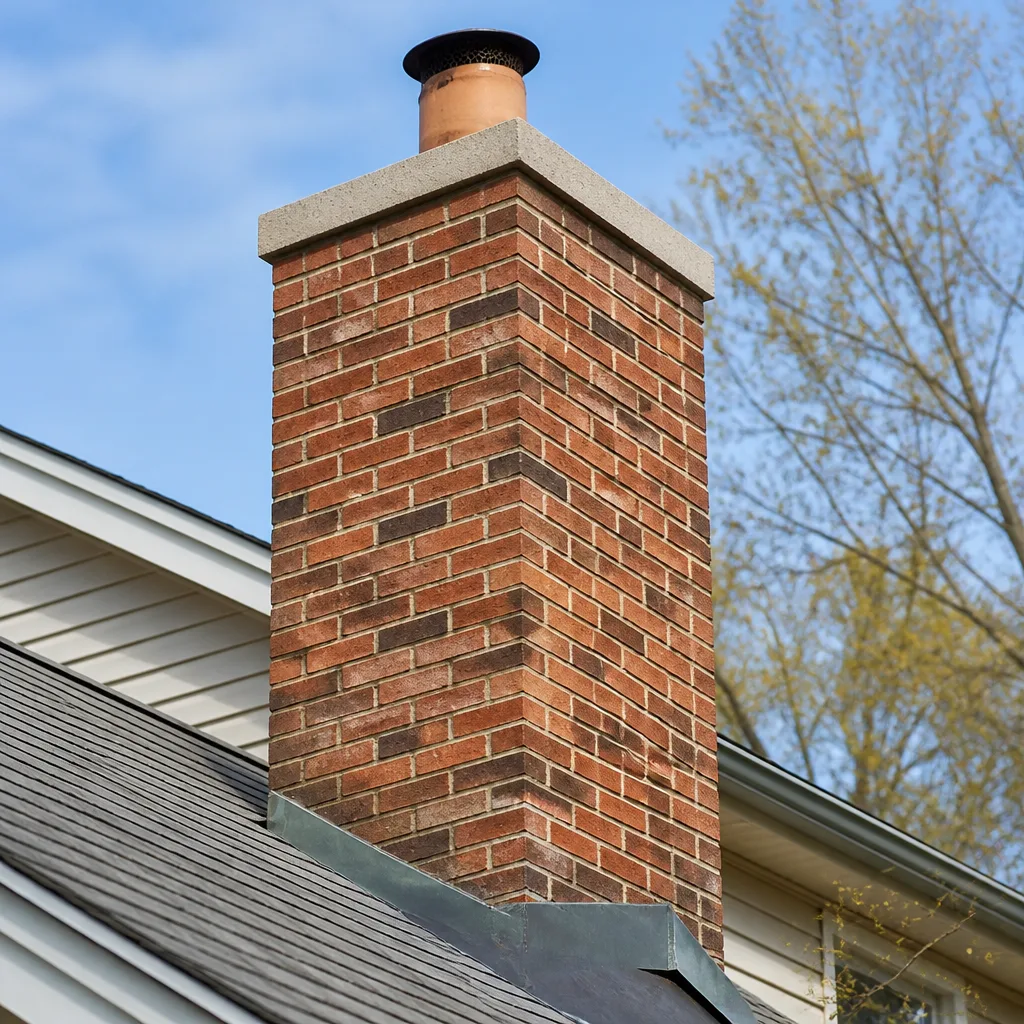 Masonry repair
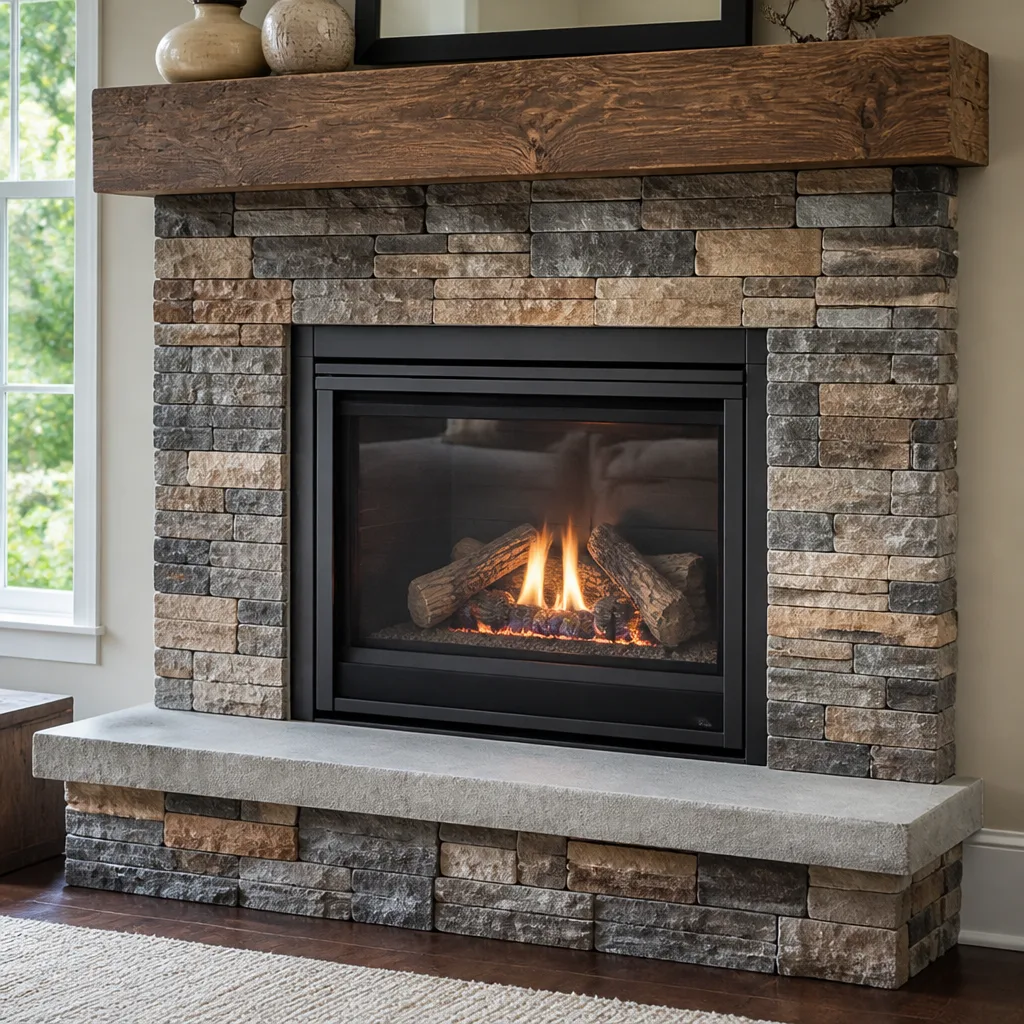 Gas fireplace service
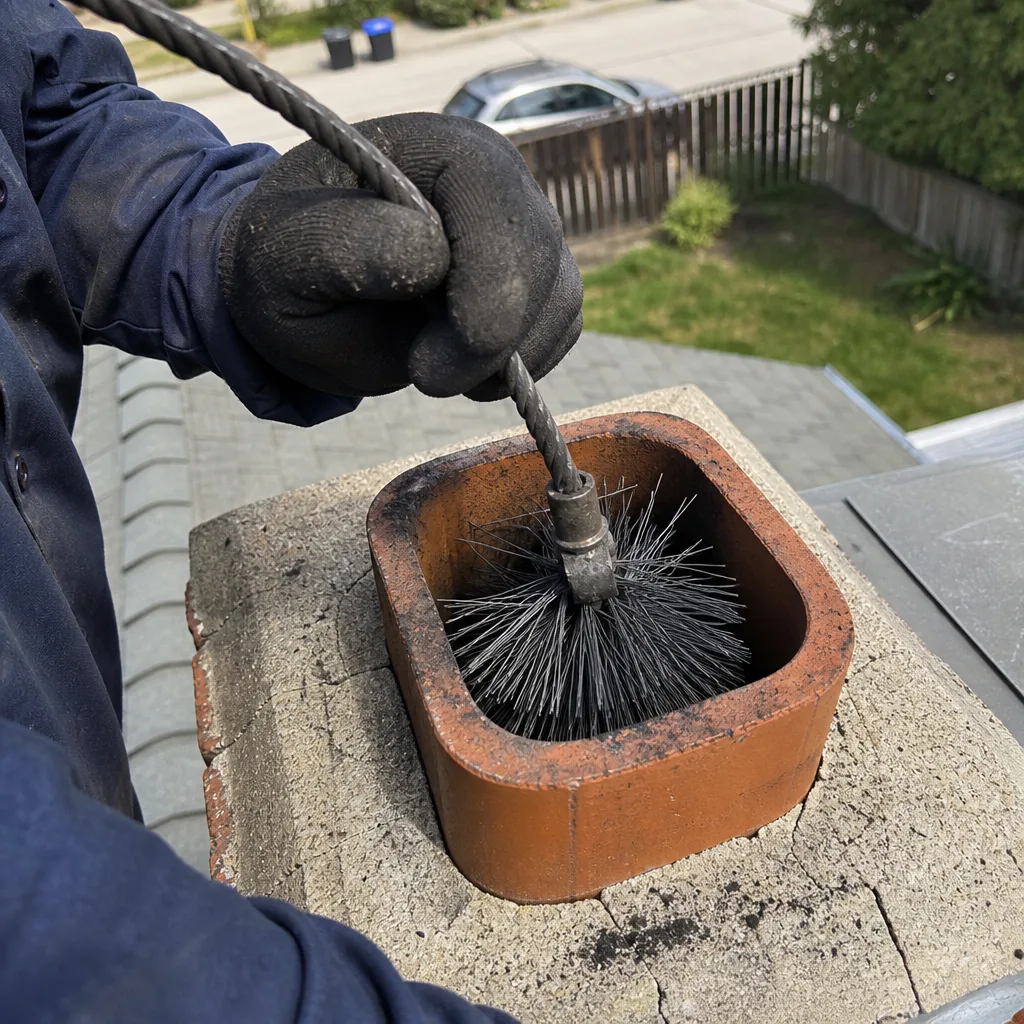
Level 1 sweep and inspection to the NFPA 211 annual standard - flue, crown, cap, and flashing checked and photographed
Chimney sweep logs do not sweep chimneys. They loosen some creosote - which then falls where a brush and vacuum still have to collect it.
The Complete Guide to Chimney Cleaning in Vallejo
Most chimney fires don’t start during a roaring winter blaze. They ignite from a thin, glazed layer of third-degree creosote that built up quietly during the low, smoldering fires Vallejo homeowners burn on cool Bay evenings. That layer forms invisibly, hardens over months, and turns a routine sweep into something closer to a safety correction. This guide walks through what a real chimney cleaning in Vallejo involves, why the local climate changes how creosote behaves, how to read a sweep’s report when it lands in your hands, and what the difference is between a proper cleaning and a discount sweep that skips the parts that matter.
Quick Answer
A thorough chimney cleaning in Vallejo includes a Level 1 or Level 2 inspection, mechanical sweeping with rotary or poly brushes matched to the flue type, full vacuum containment so no soot enters your home, and a camera look at the liner with a written report of findings. It’s not a quick brush-out, and the price reflects the inspection work as much as the sweeping itself. If your fireplace, insert, or wood stove saw regular use last season, book before the next burning season rather than after.
Styles & brands we work with
- Sweep & inspection
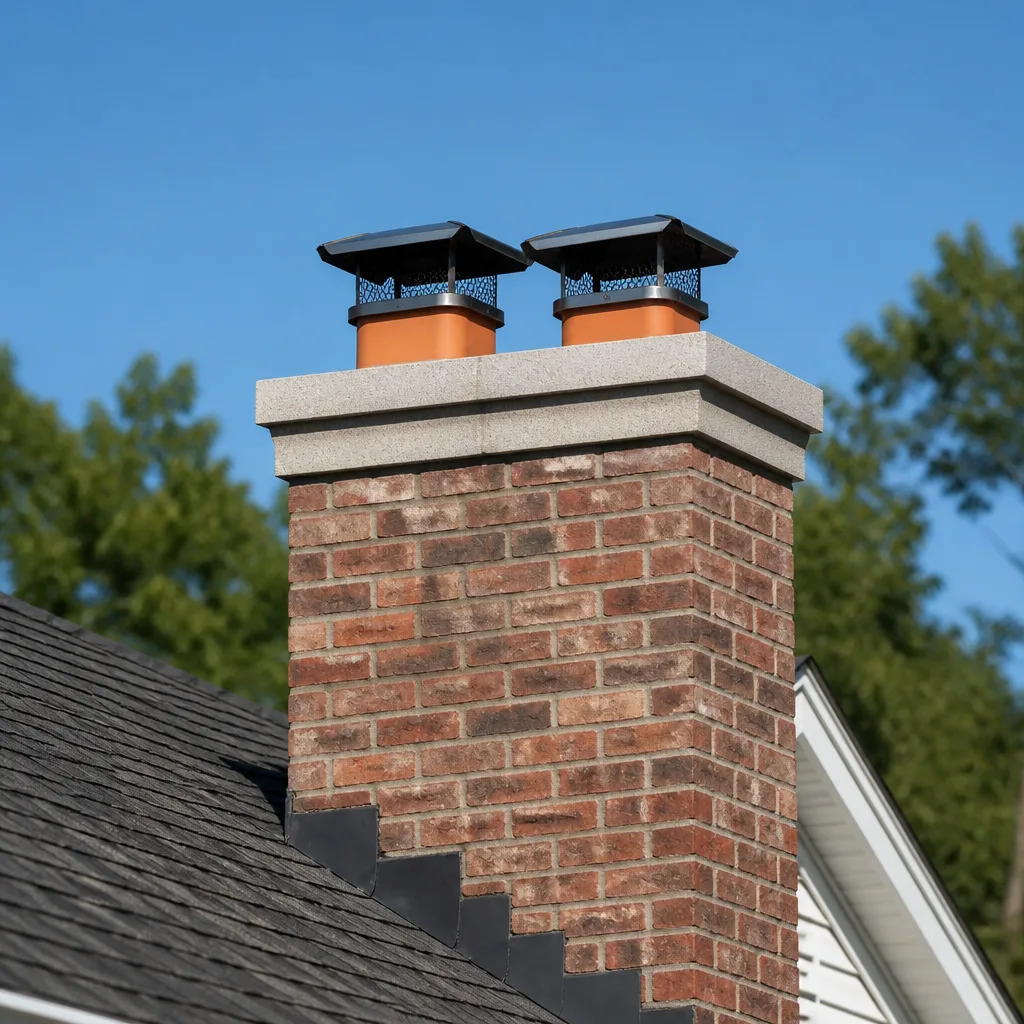
- Caps & crowns
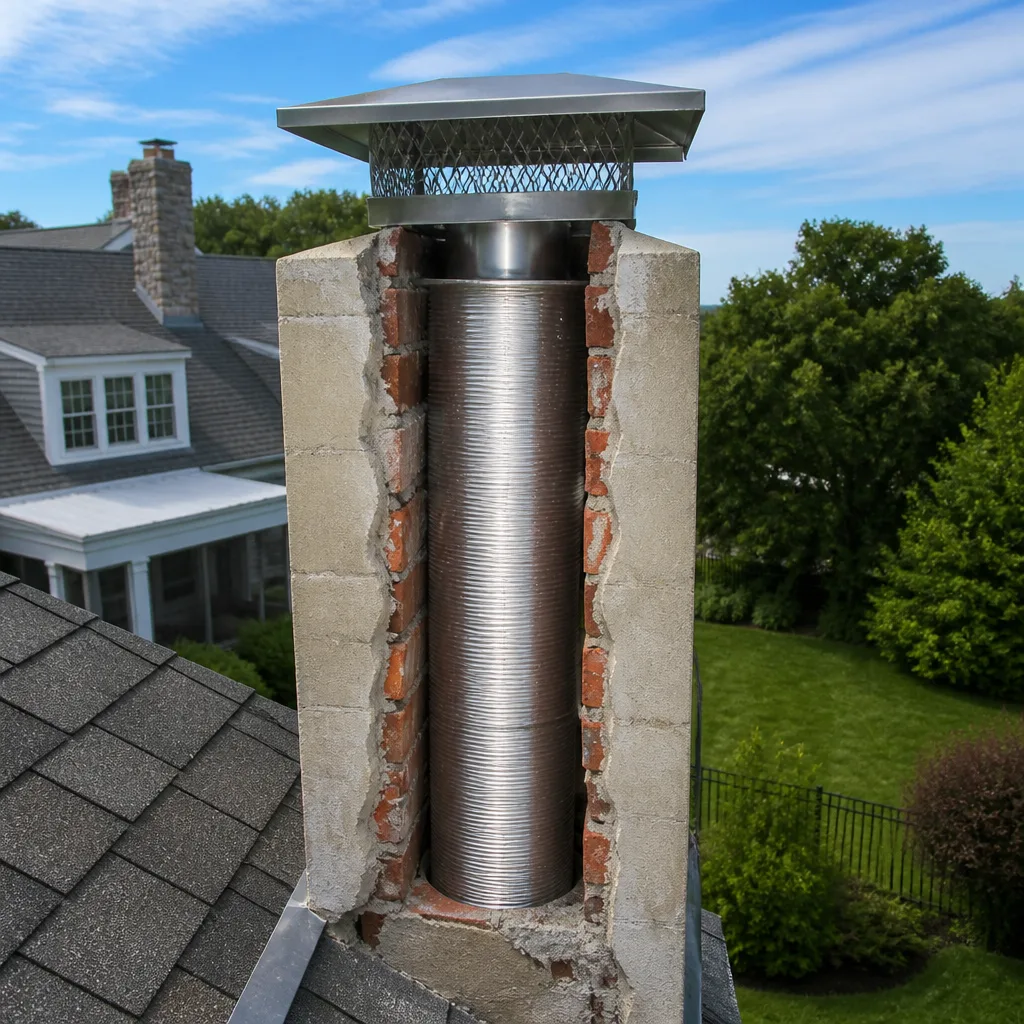
- Flue relining
- Masonry repair
- Gas fireplace service
Table of Contents
- Why Vallejo’s Climate Changes Creosote Behavior
- Level 1, 2, and 3 Inspections: What Each One Covers
- Gas Fireplace Flues Still Corrode, Even Without Wood Smoke
- What a Professional Cleaning Actually Involves
- The Discount Sweep Problem
- How to Read a Chimney Sweep’s Written Report
- Codes, Permits, and What Applies in Vallejo
- DIY vs. Professional Cleaning: Honest Tradeoffs
Why Vallejo’s Climate Changes Creosote Behavior
Most chimney guides are written for cold, dry climates where the burning season is long, homes run forced-air heat for months, and creosote dries out between fires. Vallejo doesn’t work that way. Winters here are mild, which means fires tend to be short and cool, and cool fires are exactly what produce the most creosote. Combine that with the humidity that settles over the Bay Area most of the year, and you get a very different creosote profile than a homeowner in Sacramento or Reno would see.
Here’s why that matters in practice. When wood burns hot and dry, creosote deposits stay crumbly (Stage 1) or flaky (Stage 2) and sweep out easily with a standard brush. When wood smolders – which is what happens when you throw a couple of logs on in the evening, damper half-closed, and let them burn low – the deposits come out wet, sticky, and acidic. In Vallejo’s humid air, that sticky layer doesn’t dry and flake off. It cures. Over repeated burns, it hardens into glazed Stage 3 creosote: shiny, tarry, and roughly as flammable as the fuel that produced it. The ignition temperature of glazed creosote is low enough that a hot fire from a single spark or a new load of dry wood can set it off.
That’s the counterintuitive part: mild winters that encourage casual, low-burn fires actually push creosote toward the most dangerous form faster than a cold climate that demands hot fires. If you’re in one of Vallejo’s older neighborhoods – the craftsman homes around Heritage District, the bungalows off Tennessee Street, the inventory up in Sherman Hills – you’re likely working with a flue that’s seen many seasons of exactly this burn pattern.
What This Means for Your Sweeping Schedule
- If you burn frequently but low (smoldering evening fires), plan a sweep annually, sometimes more often depending on wood quality.
- If you burn hot and dry, a yearly sweep still makes sense as an inspection excuse even if creosote loads are light.
- If you only burn a handful of times per season but with green or unseasoned wood, you may still be building glazed creosote, just more slowly.
- If your fireplace has sat unused for several seasons, the first cleaning should include a camera inspection, not just a brush.
The point isn’t to guess at your burn schedule. It’s that the mild, humid climate of Vallejo tilts the calculus toward the more dangerous creosote forms than most national guides acknowledge. A sweep who understands the local pattern will know to look for glazing on the flue walls, not just measure soot depth.
Level 1, 2, and 3 Inspections: What Each One Covers
Chimney inspections are classified by scope, not by severity. A larger number doesn’t mean something is wrong – it means the inspector is looking at more of the system. Knowing the difference prevents both overcharging and underserving.
Level 1 Inspection
A visual check of all readily accessible portions of the chimney and venting system, with the firebox empty. No tools beyond a flashlight and basic hand instruments. Level 1 is appropriate when the chimney is unchanged since the last inspection, the appliance type hasn’t changed, and there’s no reason to suspect a problem. It’s the standard companion to a routine cleaning.
Level 2 Inspection
Everything in Level 1, plus access to the attic, crawl space, and any accessible portions of the chimney exterior, plus a camera scan of the flue interior. Level 2 is required any time there’s a change to the system: a new appliance (say, adding a wood insert to an existing fireplace), a property sale or transfer, a chimney fire, a building fire nearby that may have affected the chimney, an earthquake, or a change in fuel type. For most Vallejo homes, Level 2 is the right default after any significant event.
Level 3 Inspection
Everything in Levels 1 and 2, plus removal of portions of the chimney or building to access concealed areas. Level 3 is diagnostic work, performed only when a Level 2 finding suggests a problem inside the chimney structure that can’t be seen otherwise. It’s rare, expensive, and always tied to a specific suspected defect.
Which One Applies After Seismic Activity
Vallejo sits in an active seismic region, and Bay Area quakes of noticeable intensity happen often enough that homeowners here are rightly cautious. A quake can crack mortar joints, shift a flue tile, open a gap in the chimney crown, or dislodge a cap without any visible sign from inside the firebox. After a quake you can feel clearly, a Level 2 inspection is the prudent choice, because the camera scan is what confirms whether the liner and joints are still intact. Our technicians have up to 15 years of experience and can walk you through which level fits your situation without pushing the most expensive option.
Gas Fireplace Flues Still Corrode, Even Without Wood Smoke
Homeowners often assume a gas fireplace means the chimney doesn’t need attention. That’s a costly assumption. Gas appliances produce exhaust that contains water vapor and acidic combustion byproducts, and when those cool against the flue walls – which happens quickly in a mild climate where gas fireplaces burn in short sessions – they condense. The condensate is acidic enough to eat into metal liners, mortar joints, and the flue tile surface over time. Deterioration from gas service looks different from wood-burning wear: instead of creosote, you find rust streaks, whitish mineral staining, spalling tile, and softened mortar.
This matters in Vallejo because a substantial share of the housing stock predates modern gas appliance venting. Older homes that were converted to a gas log set or a modern insert often still have the original flue configuration, which may not have been designed for the moisture and chemistry that gas exhaust brings. A routine cleaning on a gas flue includes examining for exactly this pattern, and includes checking the venting components – the cap, the termination, the draft hood – because those are where failure usually starts.
When the metal liner inside a gas flue has started to go, the fix isn’t automatic replacement. Surfaces that are deteriorated but structurally intact can often be resurfaced rather than rebuilt, and we’re equipped for that option. But you can’t make that call without seeing the liner, which is why every cleaning here includes a camera inspection rather than a look down through the damper and a shrug.
What a Professional Cleaning Actually Involves
Here’s what a proper cleaning looks like from the moment we walk in to the moment we hand you a report. If a sweep you’re considering skips steps in this sequence, they’re skipping something you’re paying for.
- Pre-work protection. Drop cloths or floor coverings over the hearth area, sealing of the firebox opening with a containment sheet, and HEPA vacuum setup at the firebox before any brush moves. This is what keeps the “soot cloud” out of your living room. A sweep who doesn’t do this first isn’t really containing anything.
- Visual inspection of accessible components. Damper operation, firebox condition, smoke chamber, and the cap and crown from the roof or ground line. We look for cracks, gaps, corrosion, and daylight where daylight shouldn’t be.
- Mechanical sweeping. Rotary or hand-driven poly brushes, sized to the flue, run from the top down or the bottom up depending on the configuration. Metal flues get tools rated for stainless. Masonry flues get stiffer brushes. Cast-in-place liners get a gentler pass so the surface isn’t scored. Matching the tool to the liner is the difference between cleaning and damaging.
- Smoke chamber and shelf work. The smoke chamber – the tapered section above the damper – is where creosote tends to accumulate in heavily used fireplaces. Cleaning it properly takes time and the right tool, and it’s a step that a quick sweep usually rushes.
- Vacuum containment and final cleanup. Soot is pulled into the vacuum throughout the process, and the firebox and hearth are wiped down after. If the technician leaves anything behind, the containment failed.
- Camera inspection of the flue. A rod-mounted camera scans the interior of the liner top to bottom. This is where deterioration shows up: cracked tiles, offset joints, gaps at the liner connection, corrosion in a metal flue. We review the footage with you.
- Written report. Findings in plain language, not jargon, with a recommendation for each item and a clear separation between “this needs attention” and “this is fine for now.”
The camera step is the one a discount sweep most often cuts, and it’s the one that matters most. Without it, you’re paying for a cleaning but not a diagnosis, and you won’t know what you actually have. We’ve seen plenty of chimneys that looked clean at the top and were compromised at the bottom. The camera is the only way to know.
The Discount Sweep Problem
The ad says $99, you call, the technician shows up, brushes the flue, takes forty-five minutes, hands you a receipt, and leaves. That’s the discount sweep experience. It’s not fraud, exactly – they did brush the flue – but it’s not the cleaning your chimney needed. Here’s what usually gets skipped:
- The camera inspection. Without it, no one knows whether your liner has cracks, joint offsets, or corrosion. A $99 sweep almost never includes camera work because the equipment and the time aren’t there.
- The smoke chamber. Rushed or ignored. This is exactly where creosote concentrates in heavy-use fireplaces.
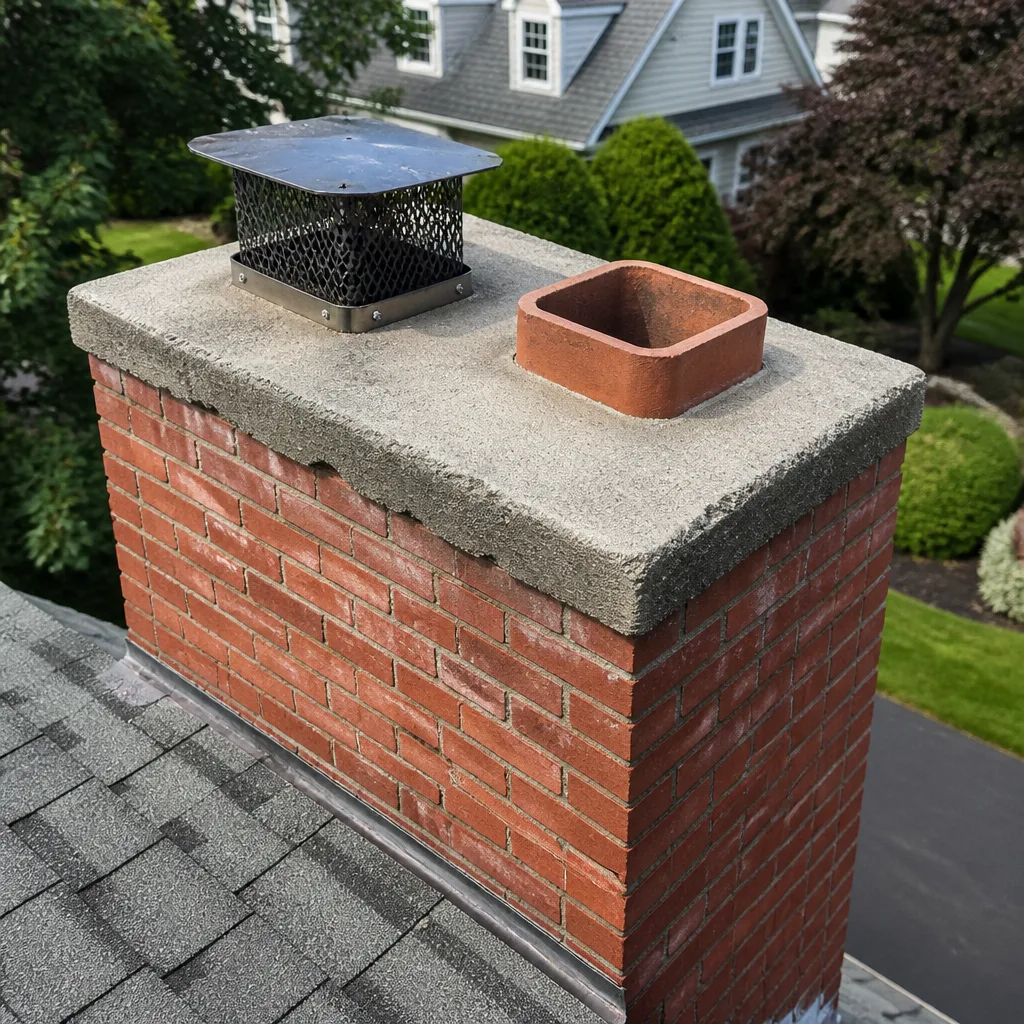
- Cap and crown inspection. A cracked crown lets water into the masonry, which is the start of every major chimney expense that follows. A brush-only sweep doesn’t climb up to look.
- A written report. You get a receipt, not a diagnosis. Two months later you have no record of what was or wasn’t found.
- Repair-capable follow-through. If the sweep can’t do liner work or resurfacing, every finding gets upgraded into a referral, and you’re waiting on a second contractor whose priorities and schedule aren’t the same as a company that could have handled it in the same visit.
Our positioning is the opposite: we clean it and we can fix it. That means the technician who inspects your flue is backed by a company set up to do the actual repair work when it’s needed, using professional-grade materials from manufacturers like DuraFlex for flexible liner systems, Gelco and Famco for code-compliant cap, cover, and venting components, and Olympia Chimney for flue hardware. When a report recommends a liner replacement, we’re not shopping the job out – we’re the ones who’ll do it, using materials selected for longevity rather than whatever ships cheapest. The point is that you shouldn’t have to coordinate three contractors when one properly equipped full-service shop will do.
We’re also not going to tell you that you need a new liner if you don’t. That’s where HeatShield matters. It’s a specialist flue-resurfacing system that lets us restore a deteriorating liner surface instead of ripping it out, in the cases where the liner is compromised but the structure underneath is sound. Plenty of sweep-only operators don’t offer resurfacing, which means their only honest recommendation is replacement. When you’re working with a shop that can do either, the decision is based on what the flue actually needs.
How to Read a Chimney Sweep’s Written Report
A written report is only useful if you can understand it. Here’s how to read one so you walk away knowing what was found, not just what was paid for.
The Sections That Should Be There
- Components inspected – firebox, damper, smoke chamber, flue liner, chimney exterior, cap and crown. If any of these are missing from the report, they weren’t inspected.
- Camera findings – what the camera saw in the flue, whether stills or video. A report without camera images is a report without the most important evidence.
- Condition ratings or descriptions – for each component, whether it’s sound, showing wear, or compromised. Ratings vary by company, but the plain-language description should be clear enough that you could explain it to a neighbor.
- Recommendations with priority – the report should distinguish between “address before next burning season” and “monitor for now.” Not everything found is urgent.
- Materials to be used – if a repair is recommended, the report should name the type of material (new stainless liner, resurfacing, cap replacement, crown repair). You shouldn’t be paying for materials you can’t identify.
The Questions to Ask
- Can I see the camera footage?
- What’s the actual difference between what you’re recommending now and what could safely wait?
- If the recommendation is a liner replacement, would resurfacing be an option, and why or why not?
- What brand and specification of material will be used, and why is that specific product right for this flue?
- If I don’t do this today, what’s the worst realistic outcome next season?
The fourth question is one most homeowners don’t ask, and it’s the one that separates a professional-grade shop from a supply-house-special sweep. Walking through the other functions of the home, the same principle applies to your dryer vent cleaning, which is a fire-safety service in its own right, not a household chore to squeeze in between laundry loads.
Codes, Permits, and What Applies in Vallejo
Most chimney work, including liner replacement and structural repair, involves permitting through your city’s building department, and it’s worth asking before any work starts whether the scope requires one. A legitimate chimney repair company will be comfortable talking about permits and can tell you what applies in your situation. Sweeping and cleaning are typically not permitted work; replacing a liner, altering the chimney structure, or installing a new appliance usually is.
Where permits do apply, the inspection covers the things you can’t see: whether the liner is continuous, whether the clearances from combustibles are maintained, whether the appliance venting is correct. Skipping the permit route leaves you with work that may function but isn’t documented, and undocumented work becomes a complication if you ever sell the house or file an insurance claim after a chimney fire.
Local code references change, and what applies to your specific home depends on age, construction type, and what’s been done before. We don’t guess at this. If a permit is needed for a repair, we say so, and we walk you through what the inspection will cover. If you’re not sure whether your current situation triggers a permit requirement, ask – it’s a five-minute conversation that could save you a much larger one later.
DIY vs. Professional Cleaning: Honest Tradeoffs
You can buy a brush kit online for less than a professional cleaning. Here’s what you’re not getting.
The brushing itself is the easy part, and yes, a careful homeowner with the right-size brush can remove surface soot from a straight flue with an easy roof access. What that homeowner can’t do is see inside the flue with a camera, assess the smoke chamber condition, evaluate the cap and crown, identify the early signs of a liner problem, or produce a written record of the chimney’s condition for insurance or resale purposes. And if the flue has offset joints, a chimney cap that’s been damaged, or a deteriorating liner that needs resurfacing, the DIY brush pass is going to skip past every one of those issues.
The safety line is also real. High-tension components and steep-roof access on Vallejo’s older homes are not casual climbing territory, and a chimney fire started by glazed creosote that a homeowner never saw doesn’t care whether the brush pass “looked clean” from the top. Our view is that the yearly professional sweep is doing double duty: it’s the cleaning, and it’s the annual inspection. Even if you’re diligent about brushing between professional visits, having someone look at the liner through a camera once a year is the piece worth paying for.
For a full description of what the core service includes, see our chimney sweep page, and for the full range of what we handle across Chimney Sweep Vallejo, the service overview. If you’ve never had a camera inspection and you’re in an older Vallejo home, that first one is worth booking even if you think the flue is clean.
Common Mistakes to Avoid
- Skipping the sweep because you burned “only a few fires” last winter. Fewer, cooler fires produce more glazed creosote than consistent hot burns, so the low-use homeowner can actually be at higher risk than the daily burner. If you burned at all, the chimney earned a look.
- Assuming a gas fireplace needs no maintenance. Gas exhaust produces acidic condensate that eats at liners and mortar from the inside out. The absence of soot is not the absence of deterioration.
- Accepting a phone quote without a camera inspection. A quote based on a phone description is a guess. Every firm number that matters starts with the camera looking at the actual flue.
- Letting the sweep “just brush it” without walking you through the report. The findings are the value. If you didn’t see the footage and didn’t understand the recommendation, you paid for half the service.
- Choosing a sweep who can’t do the repair work when it’s needed. Coordination costs you time and money, and the second contractor will have his own schedule and material roster. A full-service shop that handles both doesn’t shuffle you between vendors.
- Ignoring a cracked chimney crown for “one more season.” The crown is the first line of defense against water getting into the masonry. Small crown cracks become big structural repairs, and the local humidity accelerates everything water touches.
- Treating dryer vent cleaning as an occasional deep-clean chore. Lint accumulation in a dryer vent is a recognized fire hazard, and the exhaust run in an older Vallejo home can be longer and more convoluted than the builder intended. It deserves the same attention as the flue.
See the difference
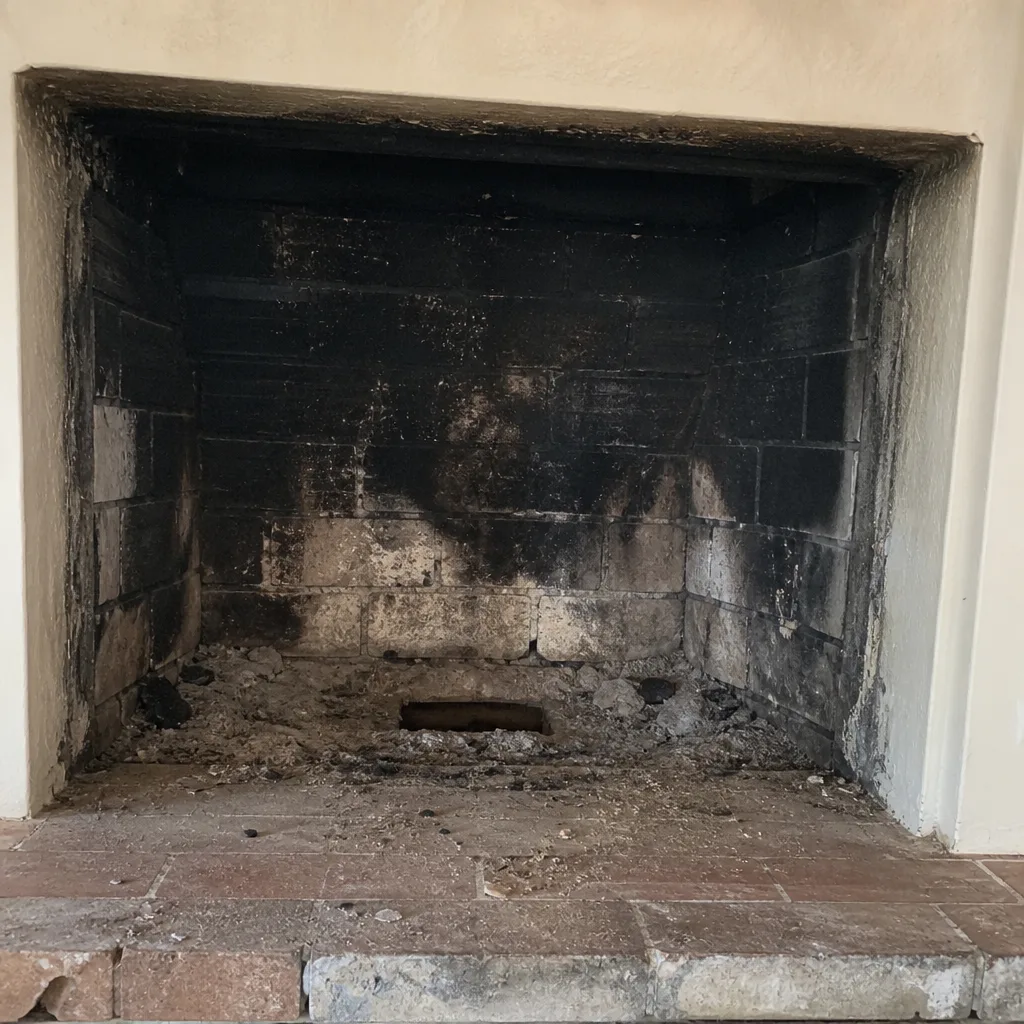 Before
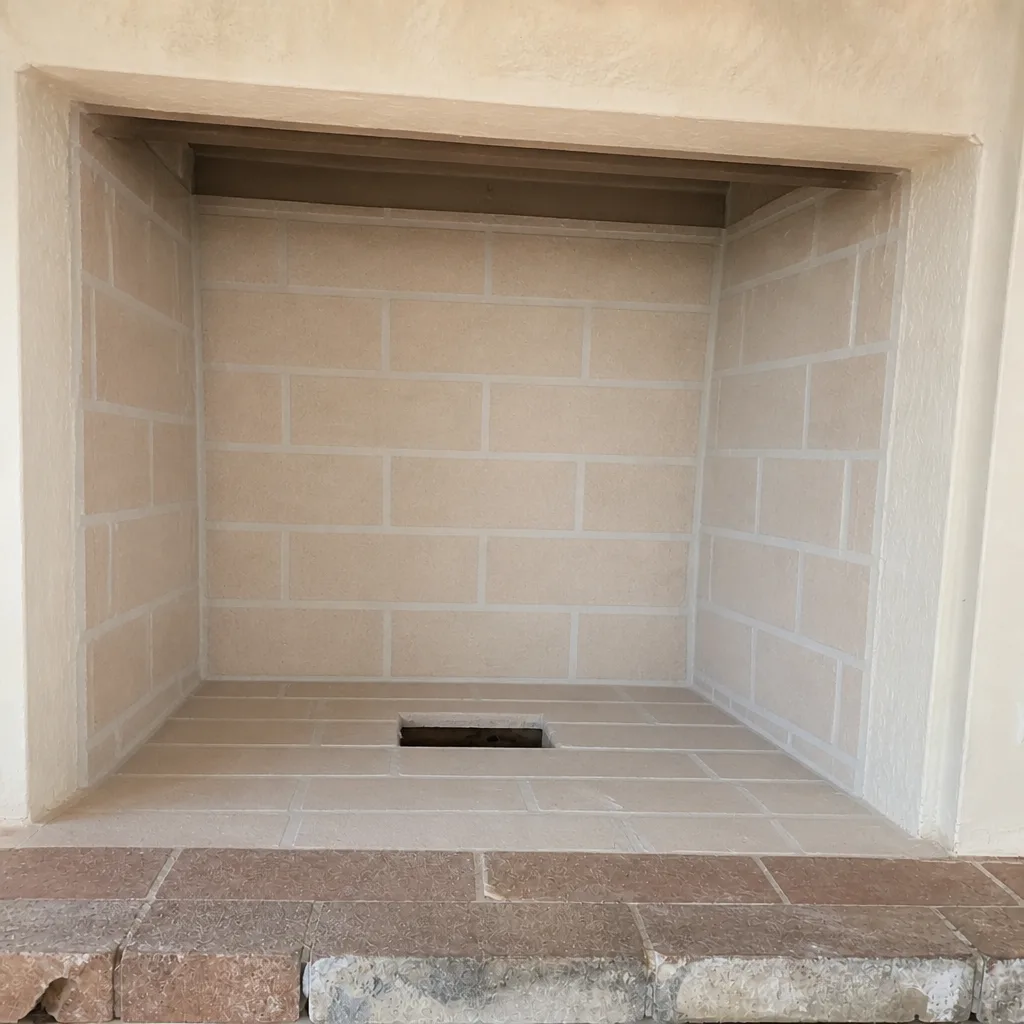 After
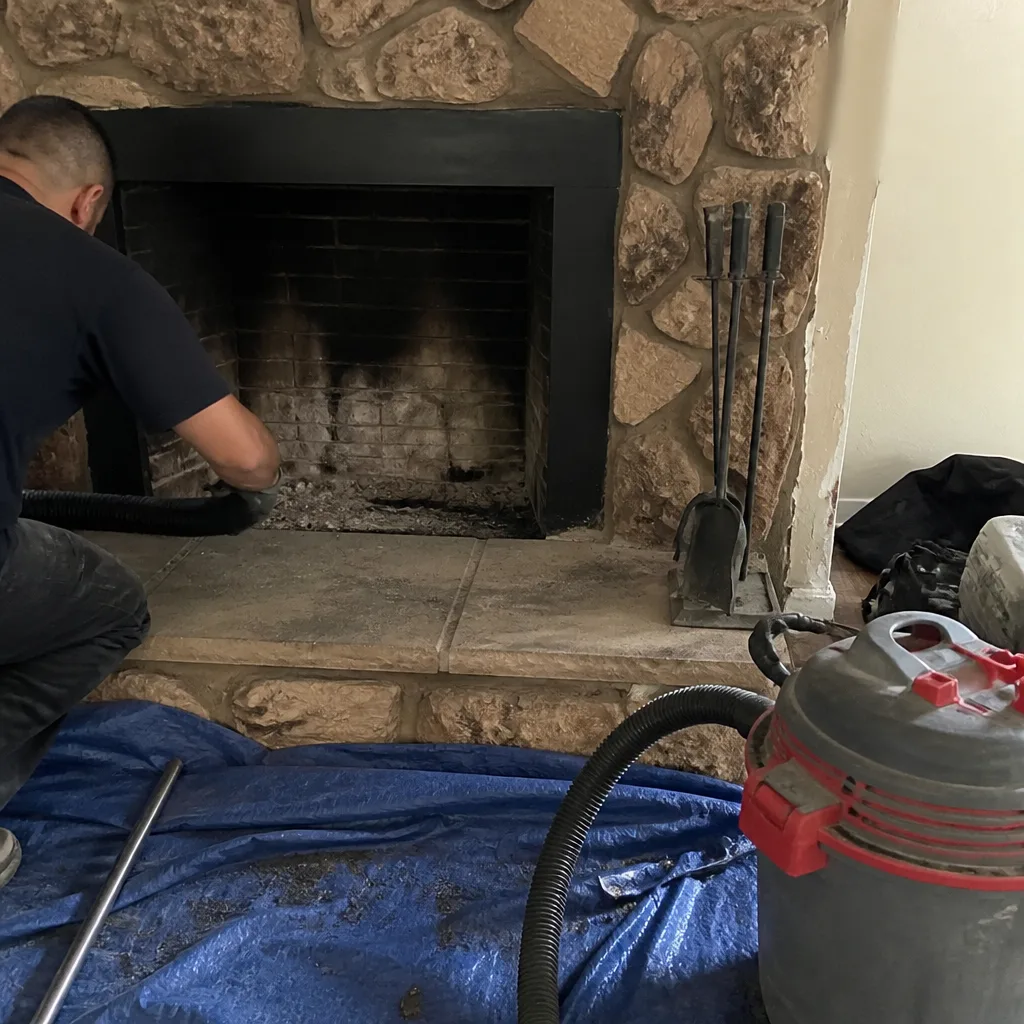 Before
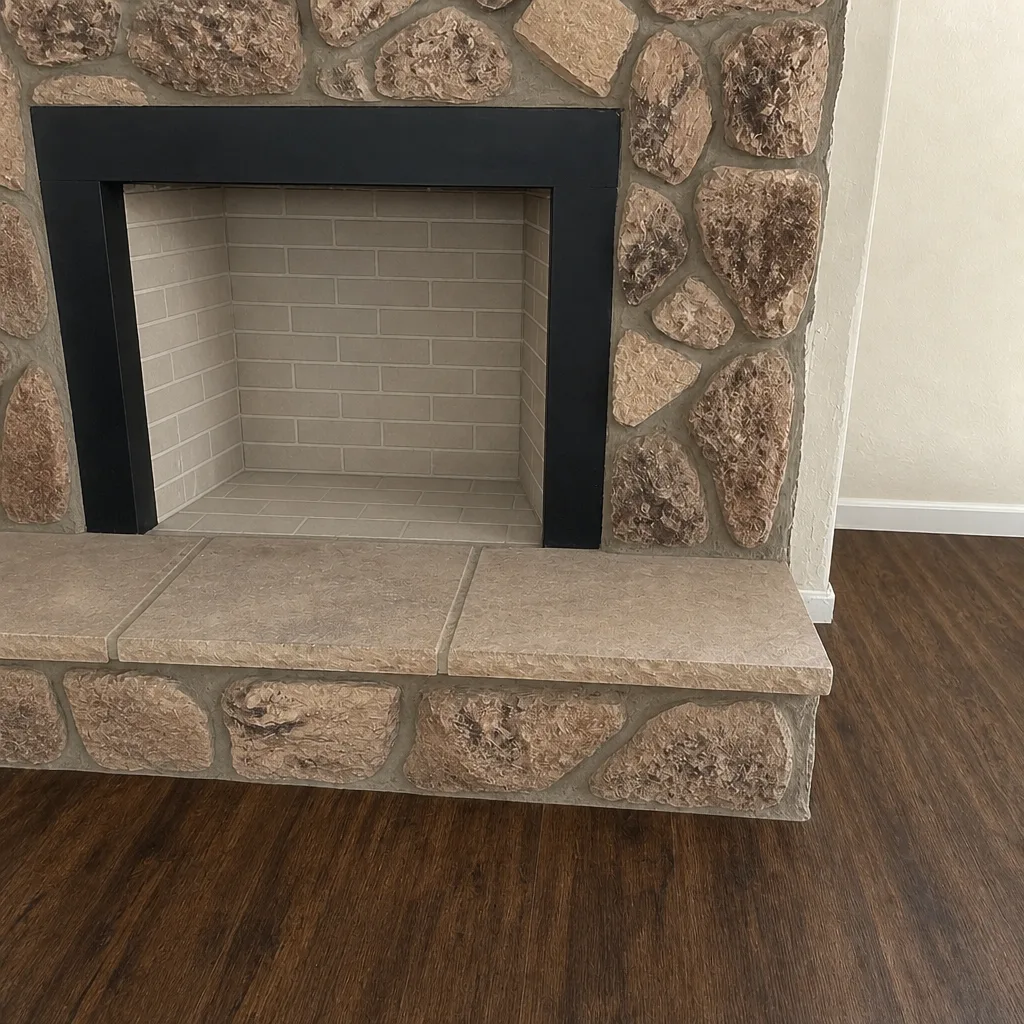 After
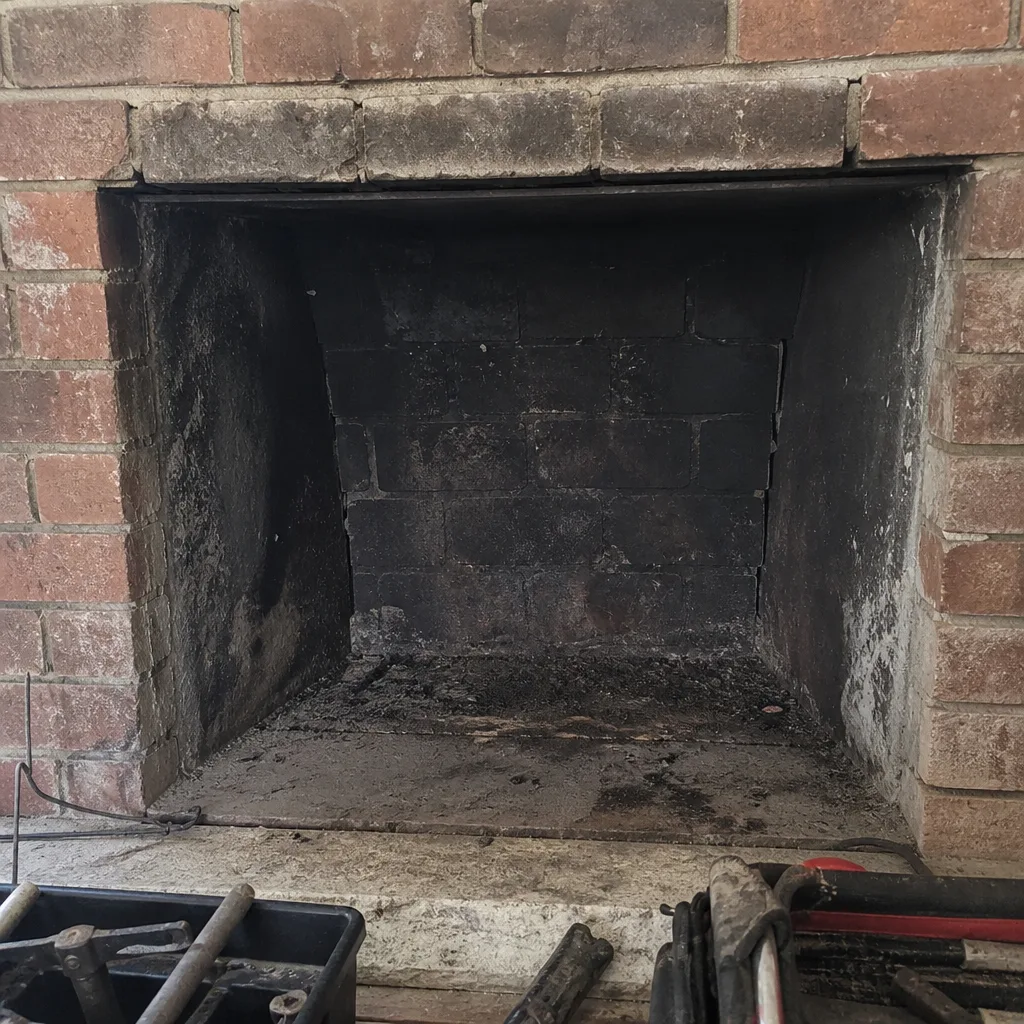 Before
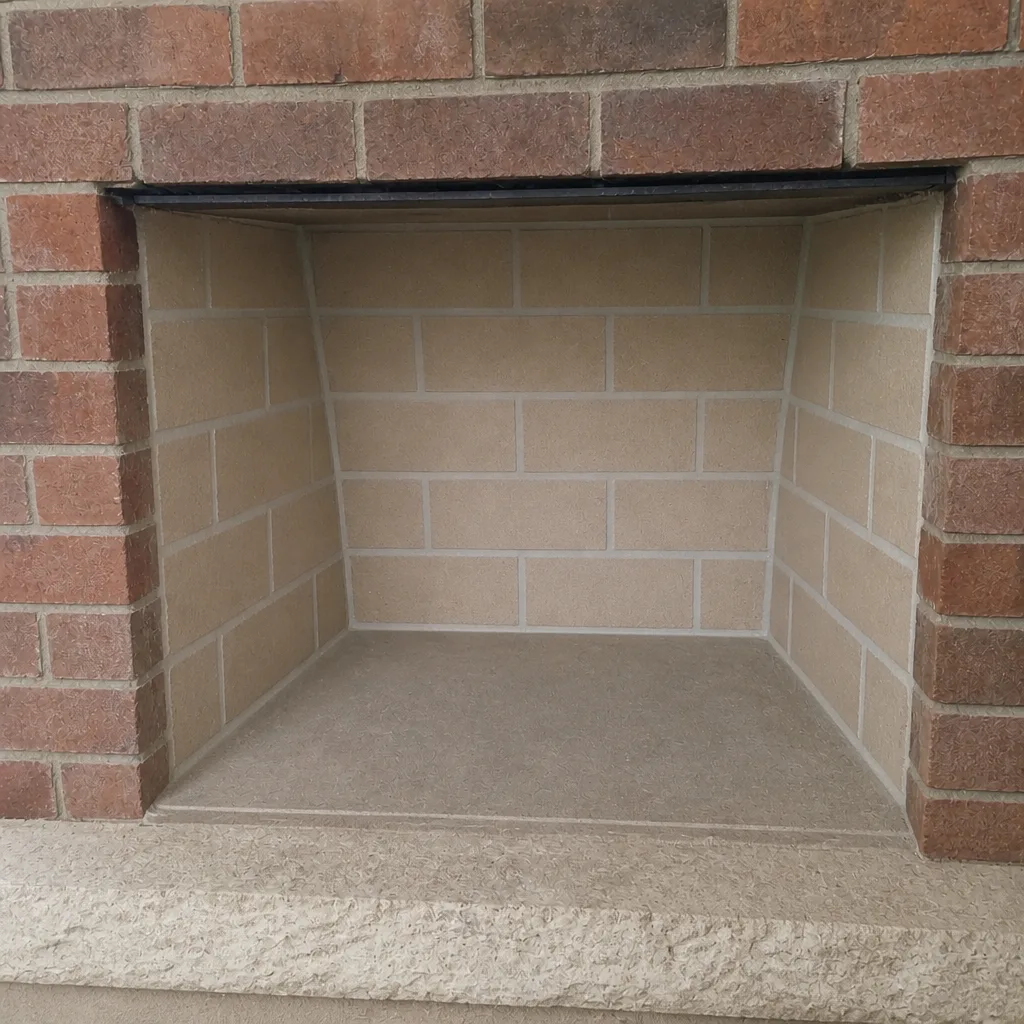 After
When to Call a Professional
Call a professional chimney sweep in Vallejo when any of the following applies: you’ve burned wood or run a gas appliance during the past 12 months and haven’t had a camera inspection; you’ve had a chimney fire, even a small one; you’ve felt a nearby earthquake and want to confirm the flue is intact; you’re buying a home with a fireplace and want an independent inspection before closing; you’ve switched fuel types or added an insert to an existing fireplace; you’re seeing draft problems, smoky backdraft, or a smell in the room when the fireplace isn’t in use; or it’s simply been more than a year since the last professional sweep. Chimney Sweep Vallejo offers free estimates in Vallejo – call (844) 320-2881 to book an inspection and get a written report you can read.
Frequently Asked Questions
A standard chimney cleaning in Vallejo typically runs by estimate based on the flue configuration, the level of inspection included, and whether camera work is part of the visit. The estimate is free and the written quote sets the final price – nothing is added later. Call (844) 320-2881 for an exact quote.
Once a year for most homes that see regular fireplace use, and every year with a camera inspection for gas-fired appliances. The mild Bay Area winters produce more low, cool fires than a cold climate, and cool fires build glazed creosote faster, which is the reason the annual sweep matters more here, not less. If you burned heavily or used unseasoned wood, book sooner. Call (844) 320-2881 to schedule.
Not always, and that’s the reason we carry HeatShield resurfacing equipment. A liner that’s deteriorated on the surface but structurally intact can often be restored through resurfacing rather than replaced, and we’ll show you the camera evidence so you can decide with real information instead of a recommendation you can’t verify. When replacement is the right answer, we use DuraFlex flexible liner systems for complex flue paths. Call (844) 320-2881 to have your flue looked at.
Creosote accumulates, and in Vallejo’s humid air it hardens toward the glazed form that ignites easily. That’s the chimney fire risk. Separately, an unnoticed liner defect allows carbon monoxide to leak into the living space, and gas appliance flues that corrode from condensate can fail without any wood smoke involved. Neither outcome is guaranteed, but both are real, and a yearly inspection is the way to catch them early. Call (844) 320-2881 to book.
Yes, though “cleaning” here mostly means inspection and condensate assessment. Gas exhaust contains water vapor and acidic byproducts that corrode liners and mortar, and the venting components need to be checked. Clean the flue once a year, inspect the cap and termination, and watch for rust streaks or mineral staining. Call (844) 320-2881 with questions about your specific setup.
Yes. We handle chimney sweeping, dryer vent cleaning, and chimney repair as a single full-service offering, which means the inspection findings and the repair work stay with the same shop. We use professional-grade product lines including DuraFlex, HeatShield, Gelco, Olympia Chimney, Famco, and Copperfield, so the materials are specified for longevity rather than chosen by price. Call (844) 320-2881 to discuss what your report recommended.
The Bottom Line
Chimney cleaning in Vallejo is a diagnostic service as much as a maintenance one. The yearly visit is your chance to have the flue looked at through a camera, the smoke chamber cleaned properly, the crown and cap checked, and a written record kept for insurance and resale. Mild winters mean cool fires, cool fires mean glazed creosote, and the local humidity accelerates the cure. A discount sweep that brushes the flue but skips the camera and the report isn’t a bargain – it’s a missed diagnosis. Use a sweep that cleans and can fix, and a report you can actually read. Call (844) 320-2881 for a free estimate. We answer 24/7. Fast dispatch from 7am to 7pm, Sunday through Friday.
Written by the team at Chimney Sweep Vallejo.