
Last updated November 15, 2026
 Sweep & inspection
 Caps & crowns
 Flue relining
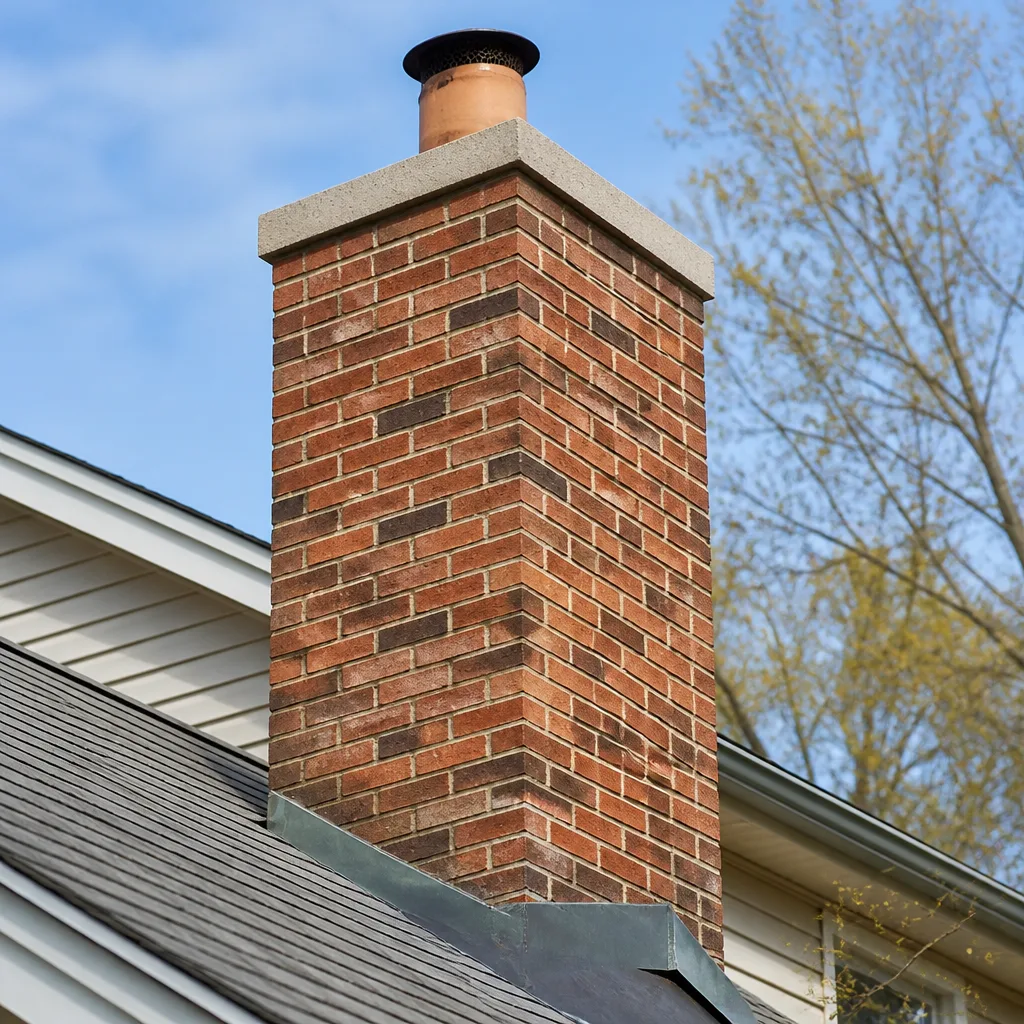 Masonry repair
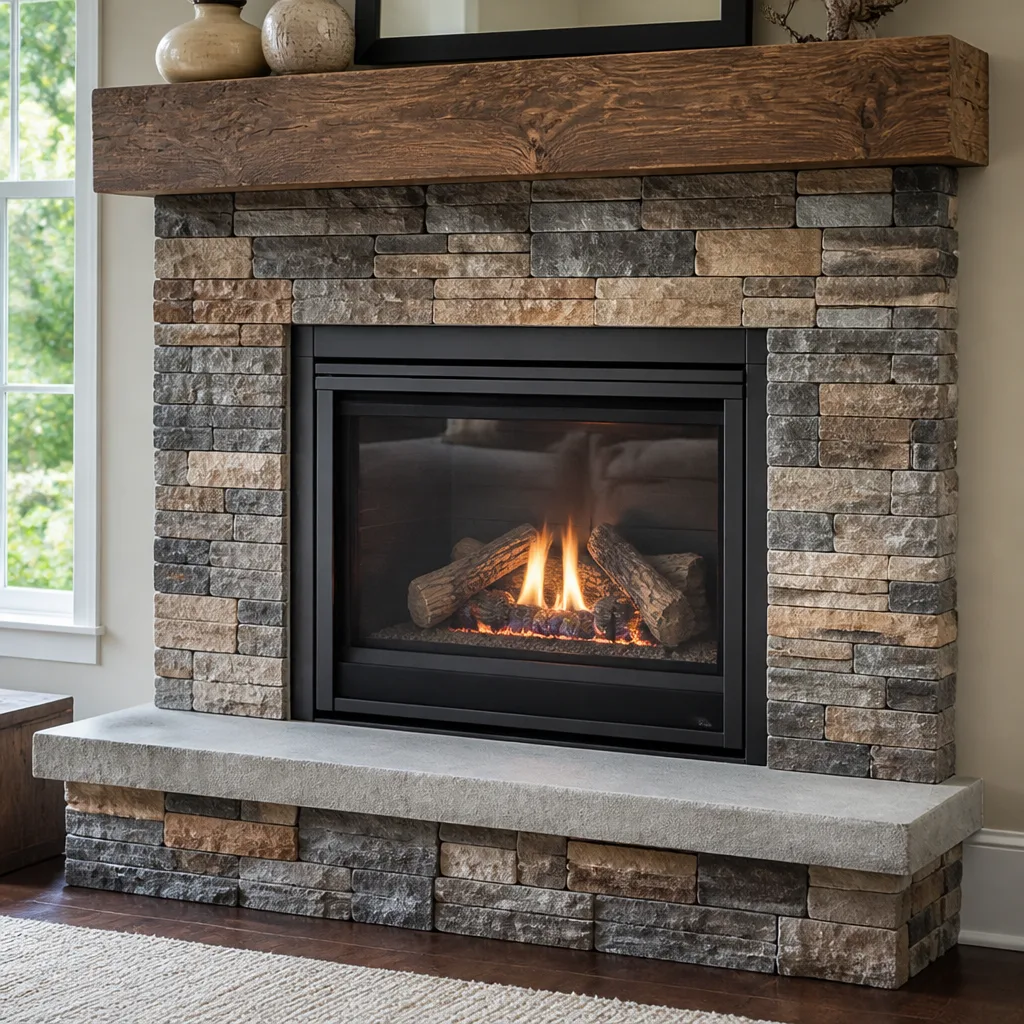 Gas fireplace service
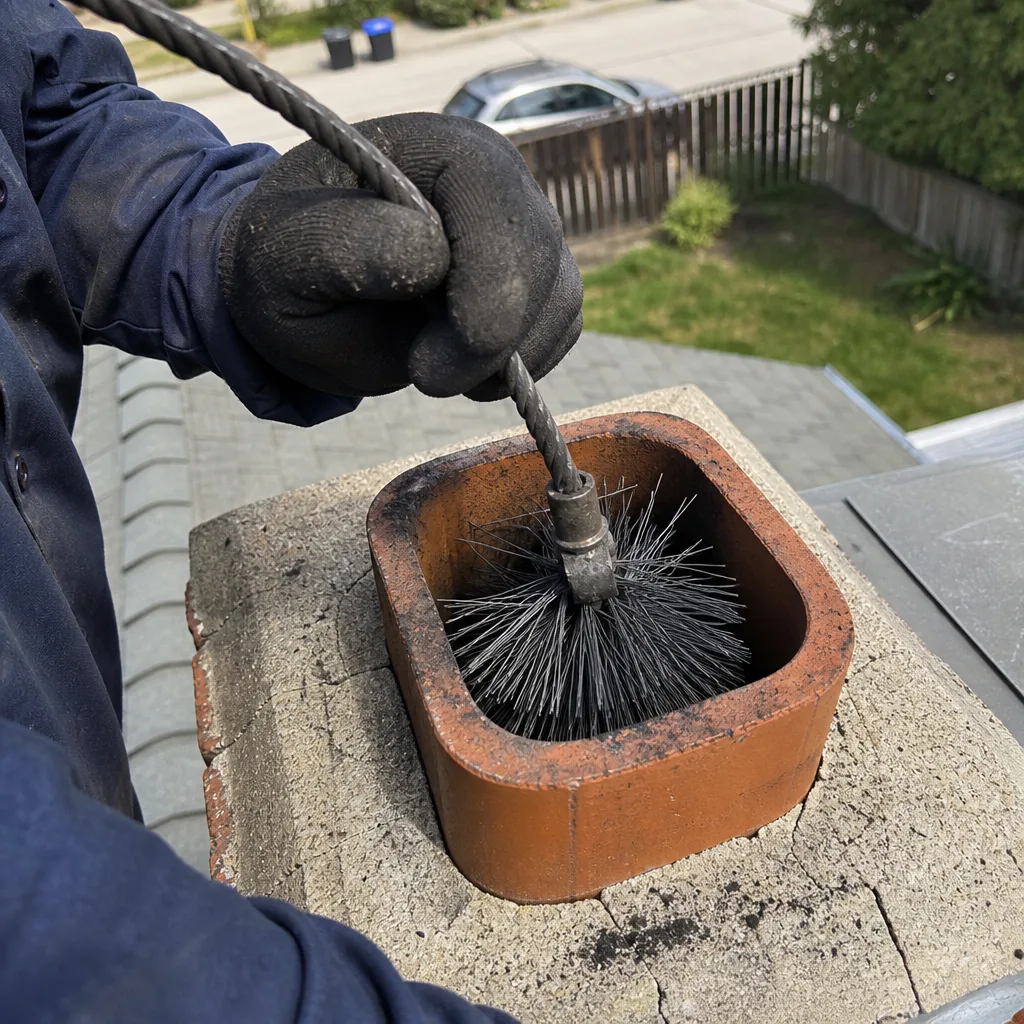
Level 1 sweep and inspection to the NFPA 211 annual standard - flue, crown, cap, and flashing checked and photographed
Chimney sweep logs do not sweep chimneys. They loosen some creosote - which then falls where a brush and vacuum still have to collect it.
Seasonal Chimney Cleaning Care for Vallejo: Year-Round Homeowner’s Guide
Most chimney care guides are written for places with real winters, and they tell you to think about your fireplace in October and forget it in April. That advice doesn’t fit Vallejo. Here, the fireplace often sits cold from May through October, and the damage that matters most happens during that quiet stretch, not during the fires you actually burn. Fog, damp air, nesting animals, and acidic condensate from gas appliances all go to work on a flue that nobody’s using. This guide maps chimney care to the way seasons actually move through Vallejo, from the September pre-season window to the exterior work that should be finished before the November rains arrive.
Quick Answer
In Vallejo, the best time to book a chimney sweep is September, before the first cold snap creates a scheduling rush, and the most important maintenance is often done in spring, because the long idle season from May to October is when moisture, nesting animals, and flue corrosion do the most quiet damage. Year-round care means a pre-season sweep and inspection in early fall, a post-season check and exterior repair window in March and April, and a look at your cap, crown, and flashing before the wet season starts.
Styles & brands we work with
- Sweep & inspection
- Caps & crowns
- Flue relining
- Masonry repair
- Gas fireplace service
Table of Contents
- Why Chimney Care in Vallejo Doesn’t Follow the Standard Four-Season Calendar
- What Happens Inside a Vallejo Chimney During the Idle Season
- The Pre-Season Window: Why September Beats October in Vallejo
- Post-Season Tasks Most Homeowners Skip
- How Wildfire Smoke Events Affect Wood and Gas Chimneys Differently
- Exterior Maintenance Before the November Rains
- Gas Appliances Need a Different Calendar Than Wood Fireplaces
- Your Vallejo Chimney Calendar at a Glance
Why Chimney Care in Vallejo Doesn’t Follow the Standard Four-Season Calendar
Vallejo’s winters are mild enough that many fireplaces get light use at best, while the summers run dry and hot enough that the hearth stays dark for months. That flips the usual logic. In cold-climate cities, the danger window is winter, when a chimney is hot and working hard. Here, the risk window leans toward the shoulder and idle months, when a chimney is cold, damp, and unattended.
Three local conditions shape how we think about the calendar:
- Marine fog, year-round. Fog moves through the Vallejo area and keeps moisture in the air long after the rain stops. A masonry chimney is porous, and damp air finds its way into brick, mortar, and the flue itself. That moisture doesn’t announce itself. It works slowly, and it shows up later as spalling brick or a crumbling crown.
- A long dry fire season. From roughly May through October, many homeowners don’t burn at all. That’s five or six months of a flue sitting completely idle, which is exactly when animals move in and creosote residue sits and reacts with moisture.
- Mild, wet winters. The rain here isn’t extreme, but it’s steady. That makes exterior work like flashing and crown repair less about surviving a deep freeze and more about staying ahead of repeated wetting and drying.
If you’ve read a chimney care guide written for the Northeast or Midwest and wondered why the timing felt off, this is why. Your maintenance calendar should follow Vallejo’s rhythm, not a generic one. Our technicians have up to 15 years of experience, and the pattern we see locally is consistent: the chimneys that give homeowners trouble are usually the ones that sat untouched through the idle season.
What Happens Inside a Vallejo Chimney During the Idle Season
The idle season is where most of the real work gets done, quietly and without you noticing. When a chimney stops being used in spring, three things start happening inside it at once: moisture moves in, animals look for shelter, and leftover residue starts breaking down.
Moisture intrusion
Even in a dry summer, fog and damp night air get into the flue. If the cap is damaged or missing, or the crown has a hairline crack, water finds the most direct path in. Inside a masonry chimney, that moisture soaks into brick and mortar and reacts with whatever creosote is left on the flue walls. The combination is more corrosive than either on its own, and it slowly eats at the mortar joints between flue tiles. By the time you notice a problem, the damage may have been building for a couple of seasons.
Nesting birds and squirrels
A chimney with an open or broken cap is a sheltered spot with a ledge to build on, and birds and squirrels find it. Nests block the flue, and a blocked flue is the classic setup for smoke rolling back into a living room on the first fire of the year, or worse, for carbon monoxide to back up if a gas appliance vents through the same flue. A code-compliant cap from a product line we work with, like a Famco or Gelco cap, handles this simply: it keeps animals out without blocking the vent.
Acid condensate from gas appliances
This is the one most homeowners miss. A gas water heater or furnace vents through a flue, and gas exhaust carries moisture and mild acidity. In a flue that’s oversized for the appliance or running cold during the idle months, that exhaust condenses on the flue walls and turns into acidic liquid. Over time it eats at mortar and tile. It’s a slow process you’ll never see from the hearth, and it’s one of the reasons a yearly inspection matters even if you never light a wood fire. When the flue surface is deteriorating but the liner structure is still sound, a resurfacing system like HeatShield can restore the surface rather than pushing you straight to a full replacement.
The Pre-Season Window: Why September Beats October in Vallejo
September is the sweet spot for booking a chimney sweep in Vallejo. The weather is still dry, the idle season is ending, and you’re well ahead of the first cold snap that sends everyone to the phone at once.
There are two reasons this matters more than it sounds.
- You’re inspecting after the idle season, not before. A September inspection catches everything that happened during the months the chimney sat unused: the nest a squirrel built in July, the crack that opened in the crown over the dry summer, the condensate damage at the base of the flue. Book in October and you’ll catch the same problems, but you’ll be catching them at the last minute, right when cold weather arrives.
- The first cold snap creates a wait. The first genuinely cool weekend of late October or early November is when everyone suddenly remembers their fireplace. That’s when schedules fill and homeowners who waited end up either burning with an uncleaned flue or sitting out the first cold evening. September avoids both.
A proper pre-season visit isn’t just a sweep. It’s an inspection with a camera, so you can see what’s in the flue yourself, and it ends with a plain answer about what’s fine, what needs attention now, and what can safely wait. If nothing needs doing beyond the cleaning, we say so. Nothing gets recommended without evidence you can look at.
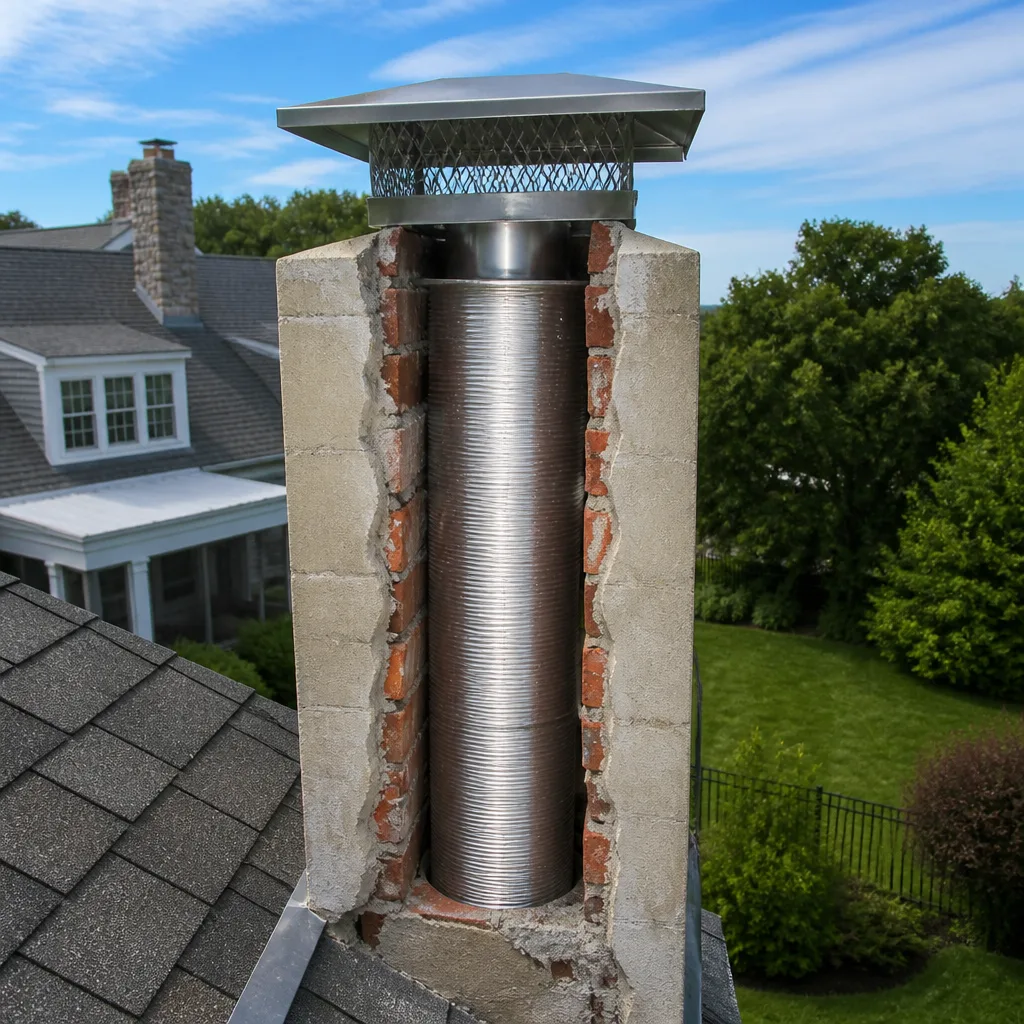
The chimney sweep itself removes creosote buildup and any nest debris, and the inspection checks the cap, crown, flashing, flue liner, and gasket condition. If the liner turns out to be sound but its surface is deteriorating, we’d rather repair it than replace the whole thing. That’s where HeatShield comes in, and where you save real money. If the flue path is offset or otherwise complex, a flexible liner system like DuraFlex is one of the options we work with. The point is simple: what’s in the flue comes back to you as evidence and a written estimate, not as a sales pitch.
Post-Season Tasks Most Homeowners Skip
Spring is the second half of the calendar, and it’s the half almost everyone ignores. Once the burning season trails off in March and April, there’s a short window of dry weather to close things up before the long idle stretch. Skipping it is how small issues become summer damage.
- Book a post-season sweep once you’re done burning. Get the creosote out now, not in September. Creosote left sitting through a damp summer is what corrodes flue walls. A spring cleaning means the flue spends the idle months empty and dry inside.
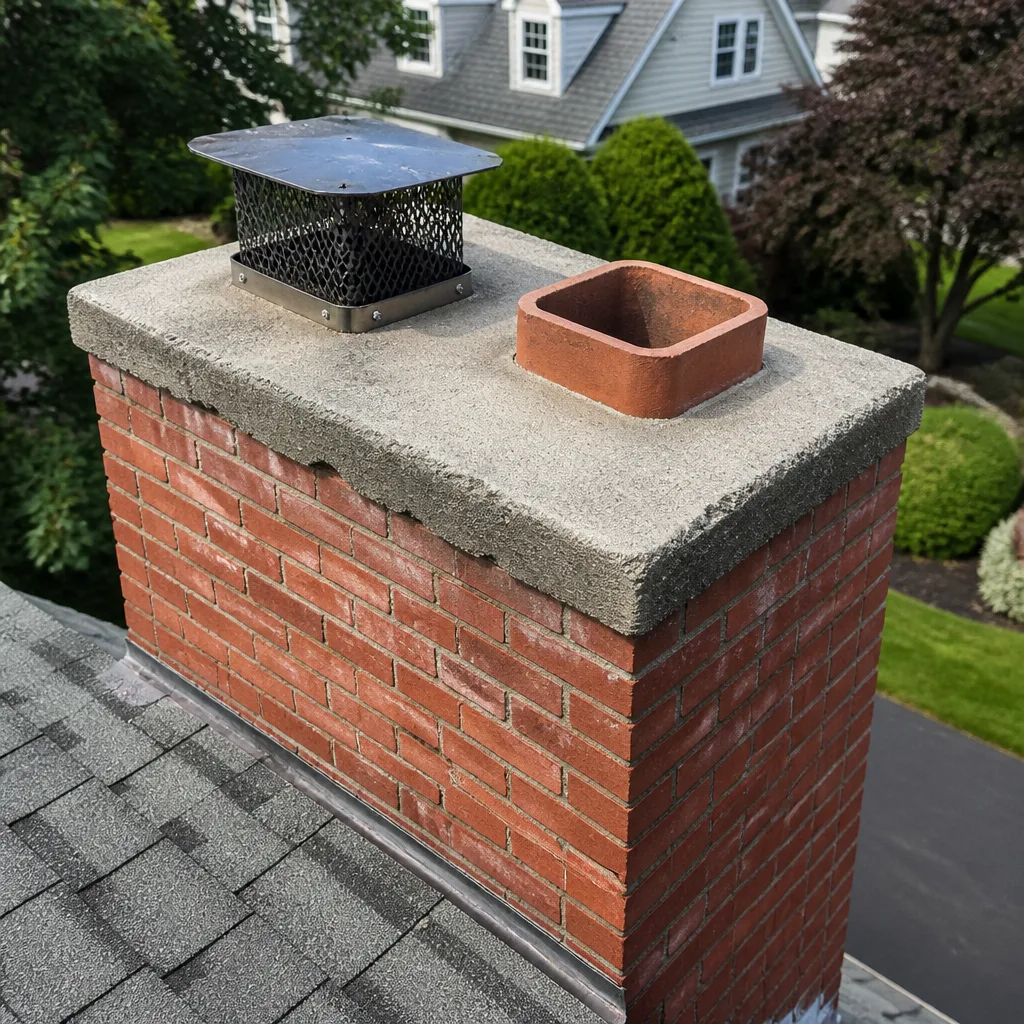
- Check the cap and crown while the weather is still dry. The crown is the concrete top of the chimney, and hairline cracks let water into the structure. A cap that’s bent, cracked, or missing lets animals in. Both are cheap to address in April and more expensive to address after a season of water working through them.
- Look at the flashing where the chimney meets the roof. Flashing failures are the single most common exterior cause of water intrusion at a chimney. Spring is when you want to catch a lifted or cracked section, not after the first heavy rain.
- Close or screen any flue you won’t use. If a fireplace is out of service for the season, it needs screening at the top so it doesn’t become a summer nest.
- Note anything that changed during the season. Draft problems, smoke spillage, stains around the hearth: write them down while you remember. A spring visit is a good time to bring those up with the inspection.
The spring visit also catches what a fall visit can’t: damage that started during the wet season and would otherwise sit all summer. Do both if you want real year-round coverage, but if you only do one, make it the spring cleaning and the fall inspection.
How Wildfire Smoke Events Affect Wood and Gas Chimneys Differently
Bay Area wildfire smoke events create long stretches of poor air quality, and homeowners respond by shutting the windows and not burning. That has an effect on chimneys that runs differently depending on what kind of flue you have.
Wood-burning fireplaces
When a wood-burning chimney quits being used for an extended period, the creosote already on the flue walls gets a long chance to sit. That’s fine if the flue was cleaned at the end of the previous season. It’s not fine if the flue was loaded with residue and then sat through months of damp air. The other thing that happens during a smoke event is the homeowner opening the damper to clear out smoke that backed in from a windy night, which pulls smoky outdoor air through the flue and leaves residue. After an extended air-quality shutdown, the things worth checking are the creosote layer, the cap (firebrands and embers can land on the screen), and whether the draft still pulls cleanly on a test fire.
Gas-burning appliances and fireplaces
A gas flue during a long idle period condenses because the exhaust is warm and wet and the flue is cold. That acidic condensate pools on the flue walls. A gas appliance doesn’t produce creosote, so a sweep isn’t the priority, but an inspection absolutely is. What you’re looking for is the flue surface, the vent connections, and whether the appliance still vents correctly. If the flue surface has deteriorated but the liner is intact, resurfacing is the sensible fix; if the liner is damaged through, it needs replacement.
What you should not do after a smoke event is assume the chimney is fine because you didn’t burn much. The problems from a shutdown show up in the inspection, not in the living room. If you’re ever unsure after a heavy smoke period, an inspection is cheap compared to what an unnoticed flue failure costs down the road.
Exterior Maintenance Before the November Rains
Vallejo’s wet season starts in November. The work you do on the exterior of the chimney in October is what keeps water out all winter, and it’s mostly about three things: the crown, the cap, and the flashing.
The crown
The concrete crown at the top of a masonry chimney sheds water away from the flue. Hairline cracks are the start of trouble. Water gets into the crack, then into the structure, and then a winter of wetting and drying opens it further. A crown that’s cracked across the whole top, or has separated from the flue, needs repair before the rains. When the flue itself needs surface restoration but the structure is sound, we use HeatShield; when the crown or other exterior components need replacing, we work with product lines like Famco and Gelco to match the original structure and the local wind and rain.
The cap
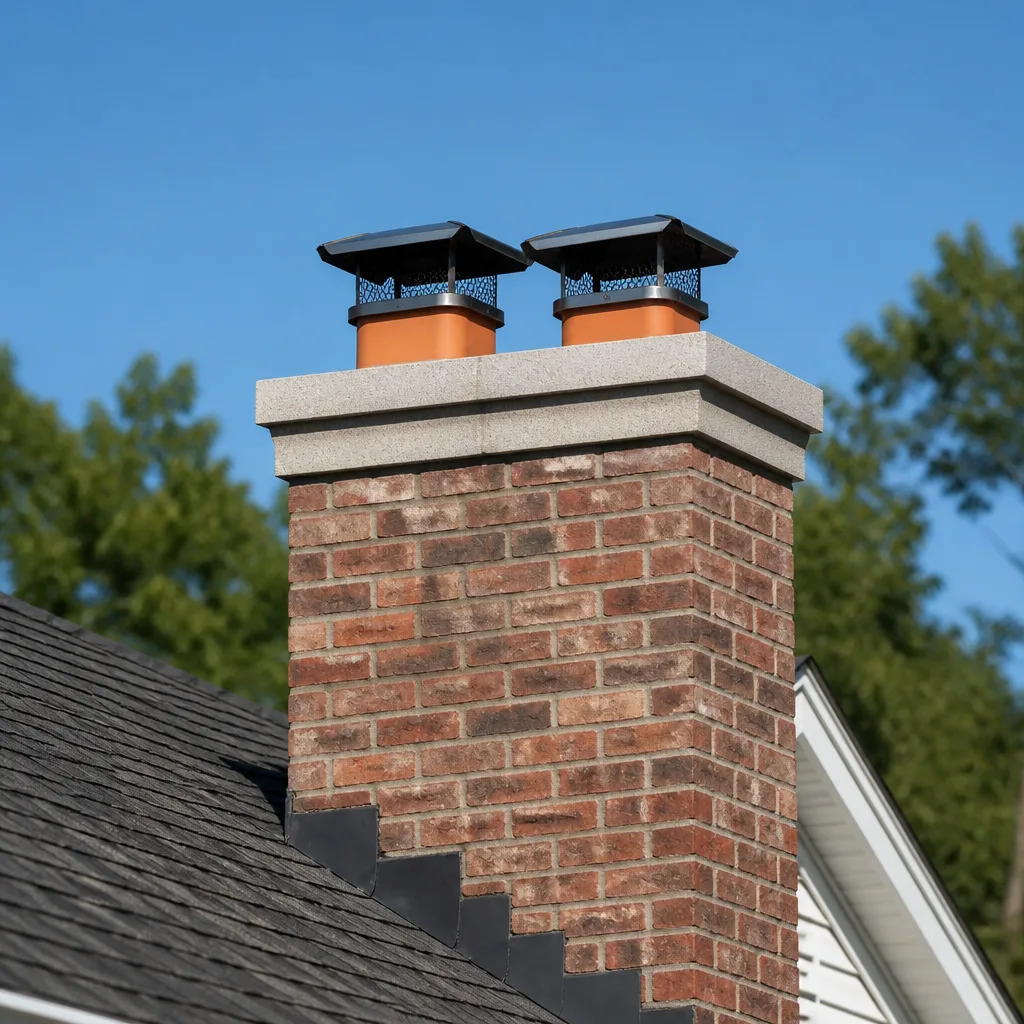
A proper cap does two jobs: it keeps rain and animals out, and it lets smoke and exhaust escape. A broken or missing cap is the single most common reason a chimney becomes a summer nest, and it’s also the reason a flue fills with water in the first storm. Check the cap condition before November. If it’s bent, rusted through, or missing its screen, it needs replacing before the wet season.
The flashing
Flashing is the metal at the base of the chimney where it meets the roof, and it’s what stops water running down the chimney and into the roof deck. Lifted, cracked, or improperly installed flashing will leak, and it usually shows up as a stain on a ceiling a few feet from the chimney. Before the rains is the time to have it looked at, not after. This is the kind of work we handle as part of the same visit as a sweep or inspection, so you don’t have to line up a separate contractor and hope the schedules align.
Gas Appliances Need a Different Calendar Than Wood Fireplaces
If you have a gas fireplace, furnace, or water heater venting through a chimney, the calendar is different from wood. There’s no creosote to sweep, but there is condensate, and condensate is what damages a gas flue.
- Gas flues need an annual inspection. Once a year, ideally in the fall, have the flue inspected for surface deterioration and proper venting. A gas flue that’s been quietly condensing all summer is exactly the kind of thing a fall inspection catches.
- Idle gas appliances do damage too. An appliance that isn’t running much during the summer still condenses when it does run. It’s the combination of cold flue and warm, wet exhaust that does the work.
- Look for the signs between visits. White streaks or efflorescence on brick, a chalky look at the base of the flue, or a rusted appliance vent connection are all indicators that condensate is attacking the flue surface.
- Resurfacing is often the right fix. A deteriorating flue surface with an intact liner calls for resurfacing, not replacement. The liner still has structure; what’s failing is its surface.
For gas appliances, the calendar is really inspection-driven. For wood, it’s sweep-and-inspect-driven. The two do overlap in the fall, which is convenient: one visit can cover both.
Your Vallejo Chimney Calendar at a Glance
Here’s the whole year compressed into a single schedule you can actually follow. If you want one takeaway, this table is it.
- February to March: Wind down the burning season. Note any draft issues, smoke spillage, or odd smells, and write them down for the spring visit.
- March to April: Post-season sweep and inspection. Get the creosote out before the idle season. Repair the crown, cap, and flashing while the weather is dry. Screen any flue going out of service.
- May to October: Idle season. Not a good time to book unless something’s clearly wrong. If you notice an animal noise in the chimney or a stain on the ceiling, don’t wait until fall.
- September: The pre-season window. Book the sweep and inspection now, before the first cold snap fills the schedule.
- October: Exterior check. Crown, cap, and flashing before the rains. Last chance to fix a leak path before the wet season.
- November to January: Burning season. Keep an eye on draft and smoke behavior. If something changes, write it down and call.
If that looks like more than you’ll actually do, the two that carry the most weight are the spring cleaning and the fall inspection. Everything else is repair work that follows the inspection. Those two are the schedule.
Common Mistakes to Avoid
- Treating September like October. Waiting for the first cold snap to book means the flue is uncleaned at first use and the schedule is full. The right move is September, before anyone else has started thinking about it.
- Skipping the spring cleaning. Creosote left sitting through a damp summer is what corrodes flue walls. A spring sweep is cheap; a liner repair later isn’t.
- Assuming gas appliances need no care. A gas flue doesn’t build creosote, but it does condense, and a gas flue that’s been ignored all summer is a common source of surface damage in Vallejo.
- Ignore the cap and crown. These are the two cheapest items on the exterior and the two that cause the most water damage if neglected. A cracked crown and a missing cap lead to an expensive spring.
- Let a stray animal problem wait. A nest in the flue isn’t just a nuisance. It’s a blockage and a fire hazard. If you hear scratching in the chimney, act now, not at the next scheduled visit.
- Fall for a liner-replacement upsell without evidence. Not every deteriorating flue needs a new liner. If the liner is structurally sound and only the surface is failing, resurfacing with HeatShield is the right repair. Ask to see the camera footage.
- Book a sweep and a separate repair visit. If your cap needs replacing or the flashing needs attention, sorting it all out in one visit is the simplest plan. Coordinate it up front, not after.
See the difference
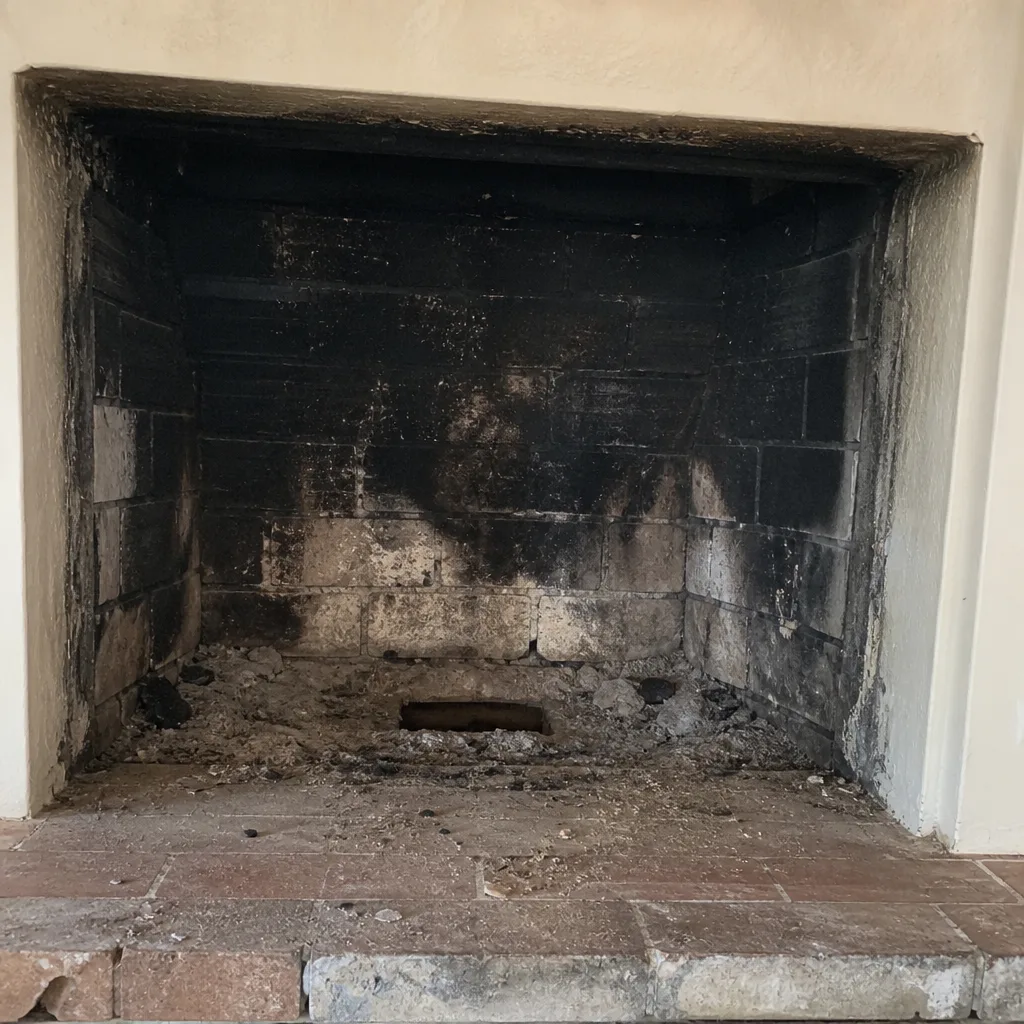 Before
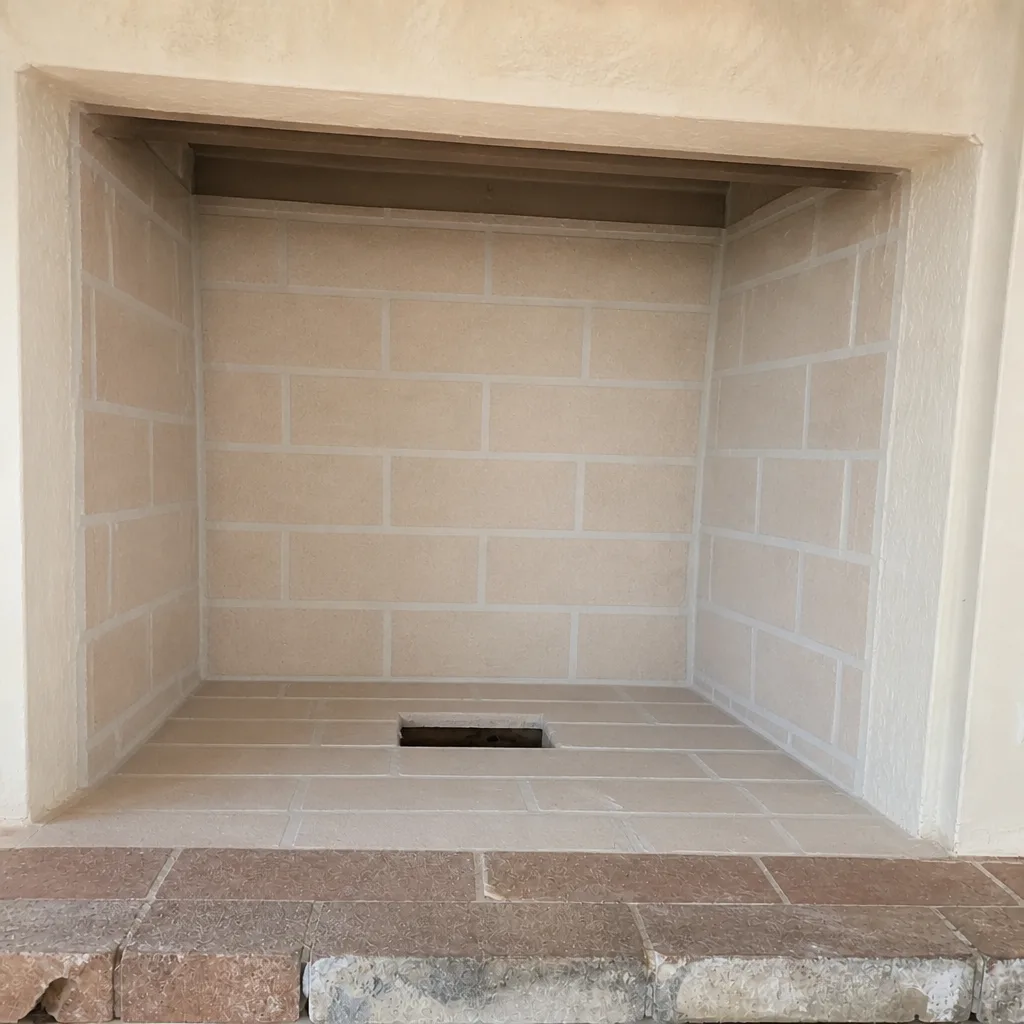 After
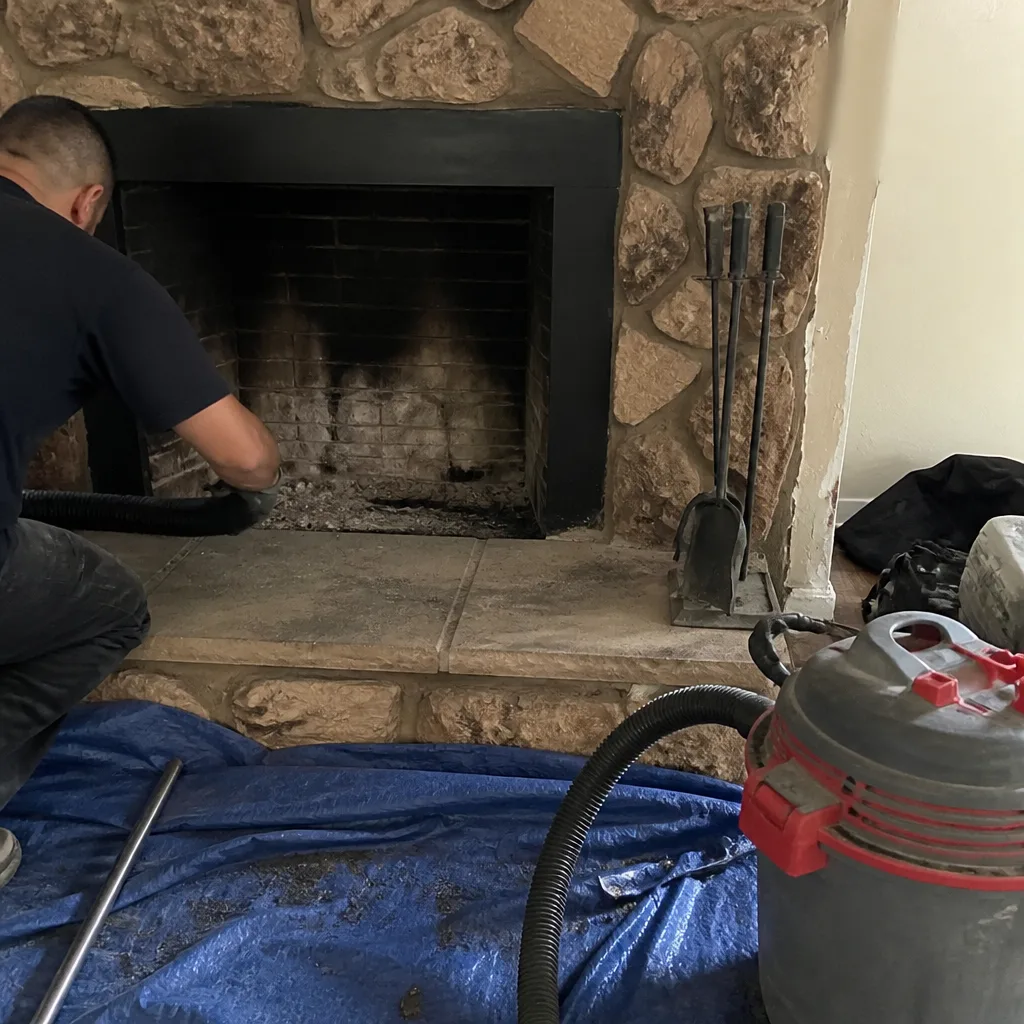 Before
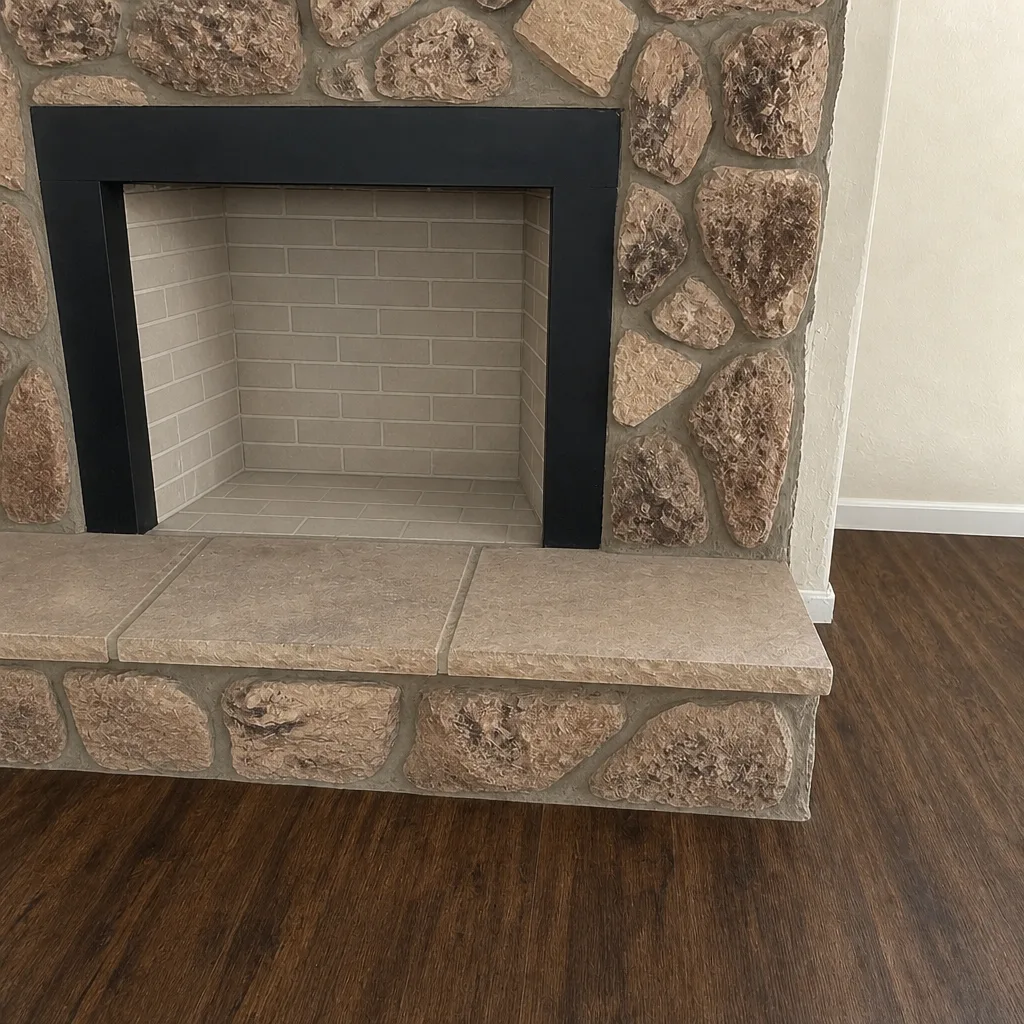 After
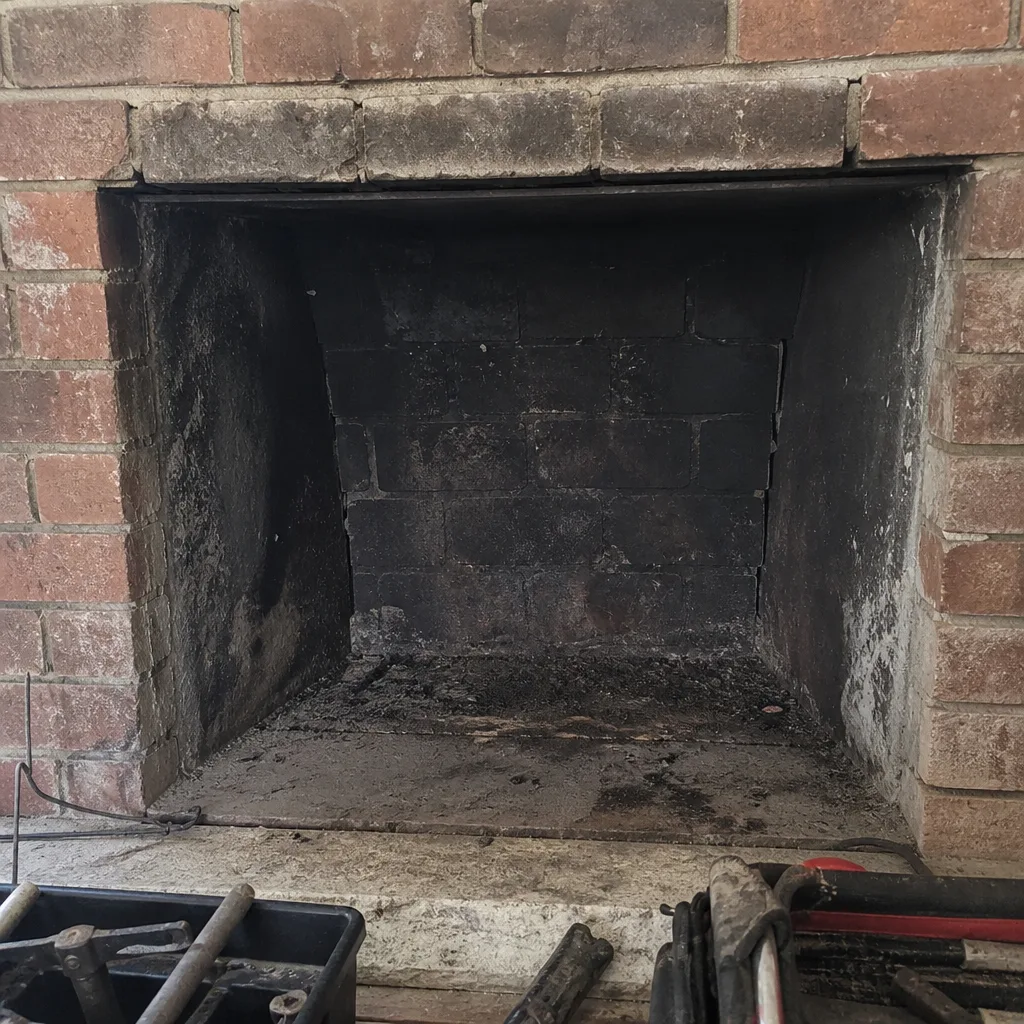 Before
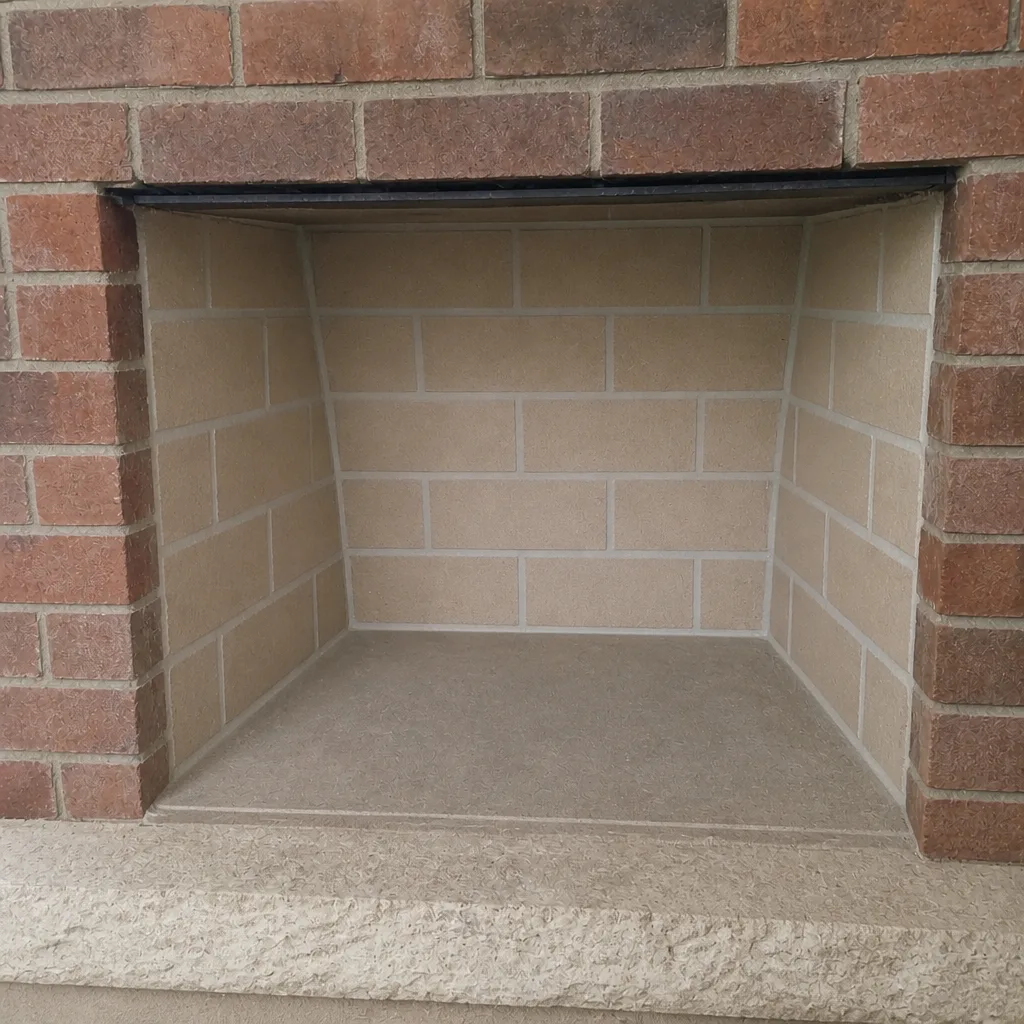 After
When to Call a Professional
Call for a sweep and inspection in September, for a post-season cleaning in March or April, or whenever something changes. Specifically: an animal noise or scratching in the chimney, a stain on the ceiling or near the hearth, smoke rolling into the room on a test fire, a smell that lingers when you’re not burning, a cap that’s visibly damaged or missing, a cracked crown, or rusted vent connections on a gas appliance. Any of those means don’t wait for the calendar. For the routine work, book ahead and expect to see the camera evidence and a written estimate. Chimney Sweep Vallejo offers free estimates in Vallejo. Call (844) 320-2881. We answer 24/7. Fast dispatch from 7am to 7pm, Sunday through Friday. We’re closed Saturday. We clean it and we can fix it, and you’ll get a plain answer about what’s safe, what’s not, and what can safely wait.
Frequently Asked Questions
Once a year for most wood-burning fireplaces, with a spring cleaning after the burning season and a fall inspection before it. If you burn little, the spring cleaning may be lighter, but the annual inspection is still worthwhile because gas appliances and idle-season moisture do damage that doesn’t depend on how much you burn. Call (844) 320-2881 for an exact quote. Estimates are free.
September. It’s after the idle season, so the inspection catches everything that accumulated over the summer, and it’s before the first cold snap fills the schedule. October works too, but you’re booking into a busier window. Call (844) 320-2881 to book now.
Often it can be repaired. If the liner is structurally sound and only its surface is deteriorating, a resurfacing system like HeatShield restores the flue surface without a full replacement. A full liner replacement is the right call when the liner is damaged through. Don’t take anyone’s word for it without camera footage. Call (844) 320-2881 and we’ll show you what we find.
Problems sit unnoticed. Creosote builds up and becomes harder to clean. Moisture gets into the crown and the flashing. An animal nest blocks the flue. The first clue is often a smoke rollback or a stain on a ceiling, by which point the repair costs more than the inspection would have. Call (844) 320-2881 for a free estimate.
Yes. A gas flue condenses because its exhaust is warm and wet, and a cold flue traps that moisture on its walls. Over time the condensate damages the flue surface and can rust vent connections. That happens whether or not you’re running the appliance much. Call (844) 320-2881 for an inspection estimate.
Before. The exterior work, meaning the crown, the cap, and the flashing, is what keeps water out of the structure all winter, and you want that finished before the wet season starts. October is the window. If you’ve already found a leak, don’t wait for the weather to improve. Call (844) 320-2881 for a free estimate.
The Bottom Line
Chimney care in Vallejo works best on a two-part calendar: a spring cleaning and a fall inspection. The spring cleaning pulls the creosote out before the long idle season starts, which is when moisture, animals, and acidic condensate from gas appliances do the most damage. The fall inspection, ideally in September, catches everything that happened over the summer, so the fireplace is clean and safe before the cold weather arrives. Between those two visits, the exterior work on the crown, cap, and flashing should be finished before the November rains. Our technicians have up to 15 years of experience, and we use professional-grade materials from DuraFlex, HeatShield, Gelco, Olympia Chimney, Famco, and Copperfield, so the sweep and the repair happen on the same visit. Call (844) 320-2881 for a free estimate. We answer 24/7. Fast dispatch from 7am to 7pm, Sunday through Friday. We’re closed Saturday. If you’re also concerned about your other venting, our dryer vent cleaning service covers the flue system that causes the most home fires, and it fits neatly into the same appointment.
Written by the team at Chimney Sweep Vallejo.