
Last updated November 15, 2026
 Sweep & inspection
 Caps & crowns
 Flue relining
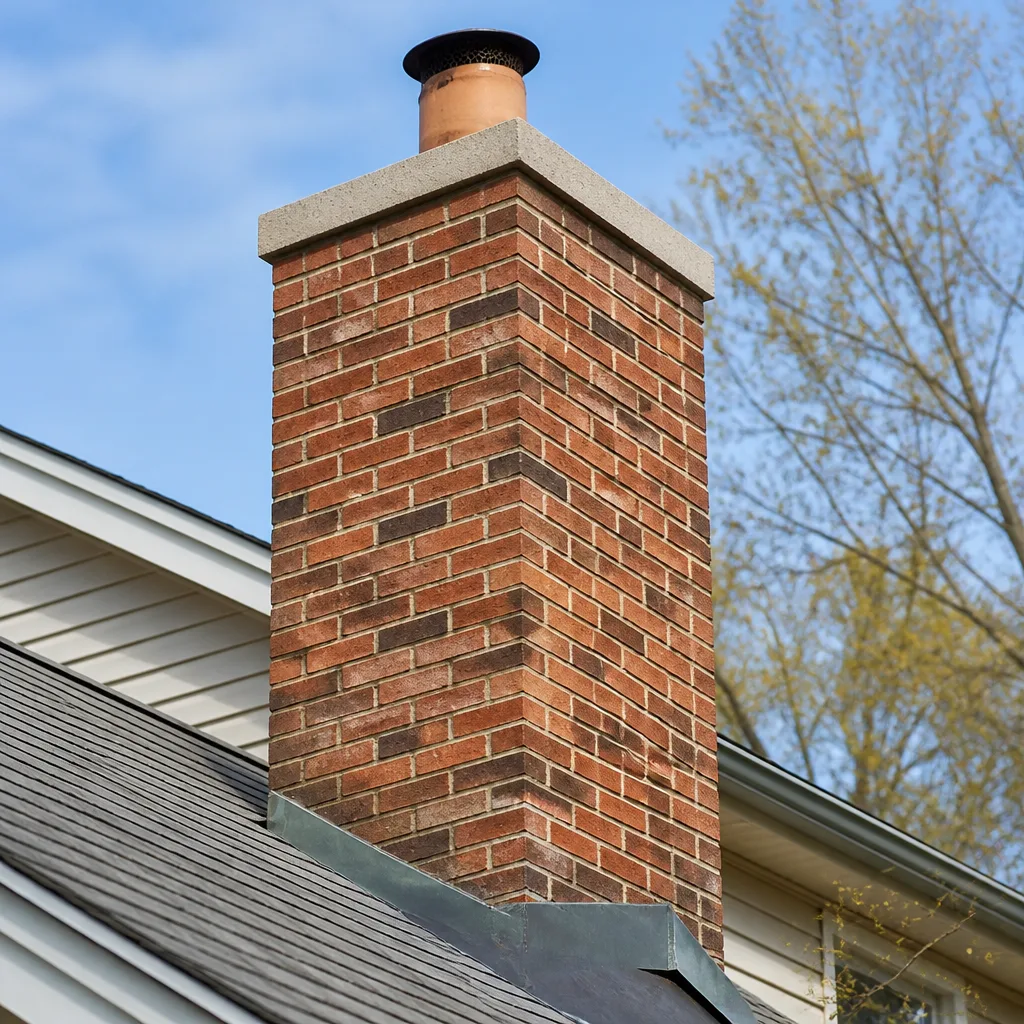 Masonry repair
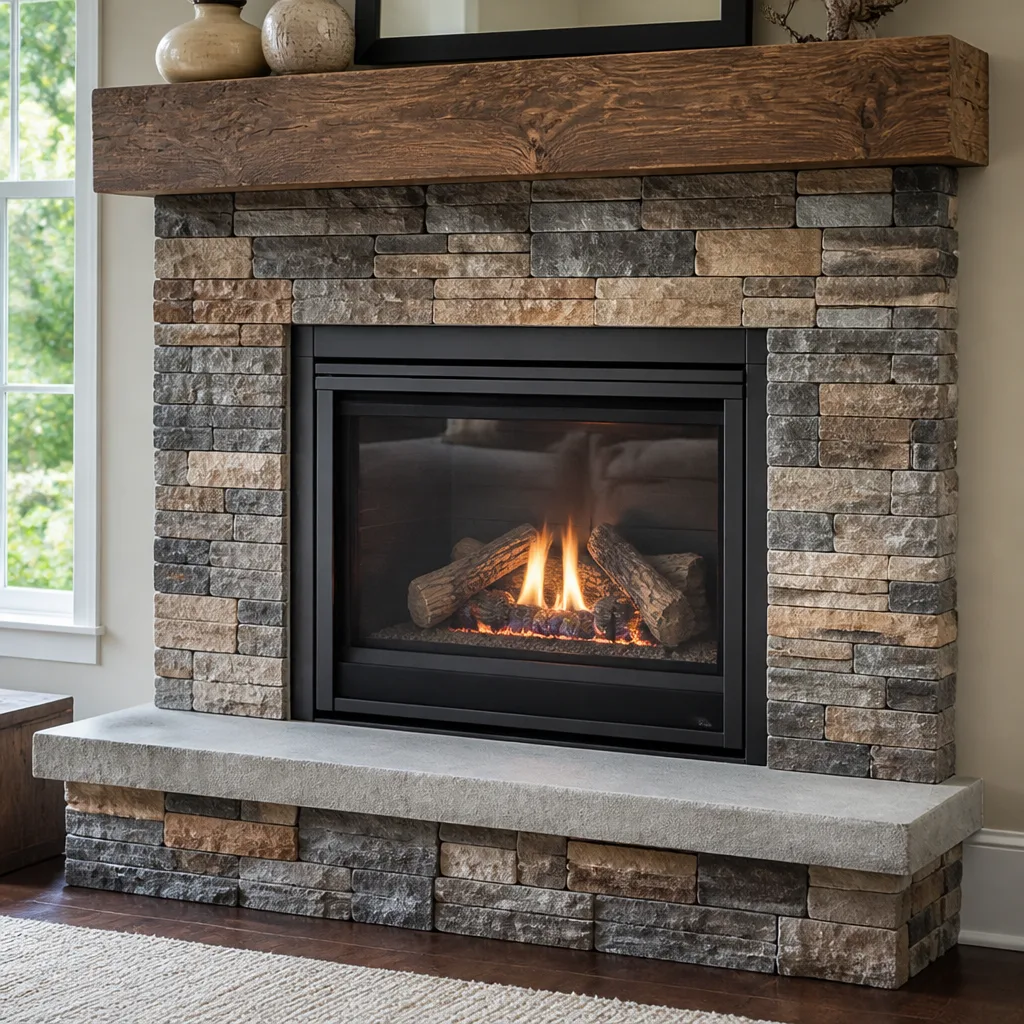 Gas fireplace service
Level 1 sweep and inspection to the NFPA 211 annual standard - flue, crown, cap, and flashing checked and photographed
Chimney sweep logs do not sweep chimneys. They loosen some creosote - which then falls where a brush and vacuum still have to collect it.
Chimney Cleaning Cost Breakdown: The Vallejo Homeowner’s Reference for 2026
Most Vallejo homeowners assume the advertised $99 sweep is the same job as a $350 full-service visit, just marked up by a greedier company. That’s the wrong mental model, and it’s expensive to learn the hard way. A $99 special brushes the flue and leaves. It doesn’t include a camera inspection, a written condition report, or any plan for what the brush dislodges and reveals. What you’re paying for at higher tiers isn’t a nicer van or a longer lunch – it’s diagnostic depth and the capacity to fix what the inspection finds on the same visit. This reference walks through every service tier, what drives price variation in Vallejo specifically, the real cost of deferring cleaning, and how to read a quote well enough to tell a complete one from a cheap incomplete one.
Quick Answer
Chimney cleaning in Vallejo typically runs about $80 to $150 for a bare-bones sweep of an accessible flue, $180 to $280 for a sweep paired with a Level 1 visual inspection and written report, and $280 to $450 or more for a sweep with a Level 2 camera inspection – the tier most older homes actually need. If the camera finds a cracked or deteriorating liner, same-visit repair adds cost depending on the method, and HeatShield resurfacing is usually far less than a full liner replacement. The written estimate always sets the final price.
Styles & brands we work with
- Sweep & inspection
- Caps & crowns
- Flue relining
- Masonry repair
- Gas fireplace service
Table of Contents
- What do the different chimney cleaning service tiers actually include?
- Line-item cost breakdown by tier
- What drives chimney cleaning price variation in Vallejo?
- What does deferred chimney cleaning really cost?
- Why do professional-grade repair materials cost more?
- How do you evaluate whether a quote is complete?
- Common mistakes to avoid
- When to call a professional
What do the different chimney cleaning service tiers actually include?
Chimney cleaning isn’t one service with one price. It’s a ladder of scopes, and each rung answers a different question. The first rung answers “is the flue clear?” The second answers “is the flue clear, and does the visible structure look sound?” The third answers “is the flue clear, and is the inside of the flue – the part you can’t see – intact?” The fourth answers “and can we fix what we found before we leave?”
Here’s how the four tiers break down in plain terms.
Tier 1: The basic sweep
A technician brushes the flue with appropriate rods and brushes, vacuums the firebox and smoke chamber with a HEPA setup, and removes the creosote and soot that comes loose. That’s it. No camera. No written report. No assessment of the liner, crown, cap, or flashing beyond what the technician happens to notice on the way out. This tier is fine for a metal insert flue on a home that’s been cleaned regularly and shows no signs of trouble. It’s thin coverage for anything else.
Tier 2: Sweep plus Level 1 inspection
The sweep is the same, but a technician now does a visual inspection of all accessible portions of the chimney – exterior, firebox, damper, smoke chamber, visible flue sections, cap, and crown – and gives you a written condition report. This is where you start getting information you can act on. A Level 1 inspection is appropriate when the appliance and fuel type haven’t changed and there’s no reason to suspect a problem.
Tier 3: Sweep plus Level 2 camera inspection
A camera goes down the flue. The technician watches the liner walls, joints, offsets, and any transition points on a monitor, and you see the same footage. A Level 2 inspection is the tier appropriate after a chimney fire, after a long gap in cleaning, when you’ve just bought the house, or when the fuel type or appliance has changed. On older Vallejo housing stock – and this city has plenty of pre-war and mid-century homes – the camera is where cracked tiles and gap-toothed mortar joints actually show up.
Tier 4: Sweep plus same-visit repair
Everything in Tier 3, plus the materials and labor to address what the camera found. A new cap, a crown coat, a resurfaced flue, or a flexible liner install. Because the technician is already on the roof and already has the flue open, repair folded into a cleaning visit costs less than a return trip – and more importantly, you’re not sitting on a compromised flue for weeks waiting for a second appointment.
Line-item cost breakdown by tier
Use the ranges below as a planning tool, not a menu. Every chimney is different, and the written estimate you receive after an on-site look is the number that governs. That said, this is roughly what Vallejo homeowners should expect to see in a quote for each tier, with the line items that should always be present.
Tier 1: Basic sweep
- Flue brushing and rod work: $60 to $110
- HEPA vacuuming of firebox and smoke chamber: included or $15 to $25
- Soot and creosote disposal: included
- Typical range: $80 to $150
- What’s missing: camera, written report, liner assessment, crown and cap check
Tier 2: Sweep plus Level 1 inspection
- Sweep line items (above): $80 to $150
- Visual inspection of accessible components: $50 to $85
- Written condition report: $20 to $40
- Typical range: $180 to $280
- What’s missing: camera inspection of the flue interior, hidden joint assessment
Tier 3: Sweep plus Level 2 camera inspection
- Sweep line items: $80 to $150
- Camera inspection with monitor visible to the homeowner: $100 to $180
- Written condition report with photos: $30 to $60
- Typical range: $280 to $450
- What’s missing: repair of anything found
Tier 4: Sweep plus same-visit repair
- Tier 3 line items: $280 to $450
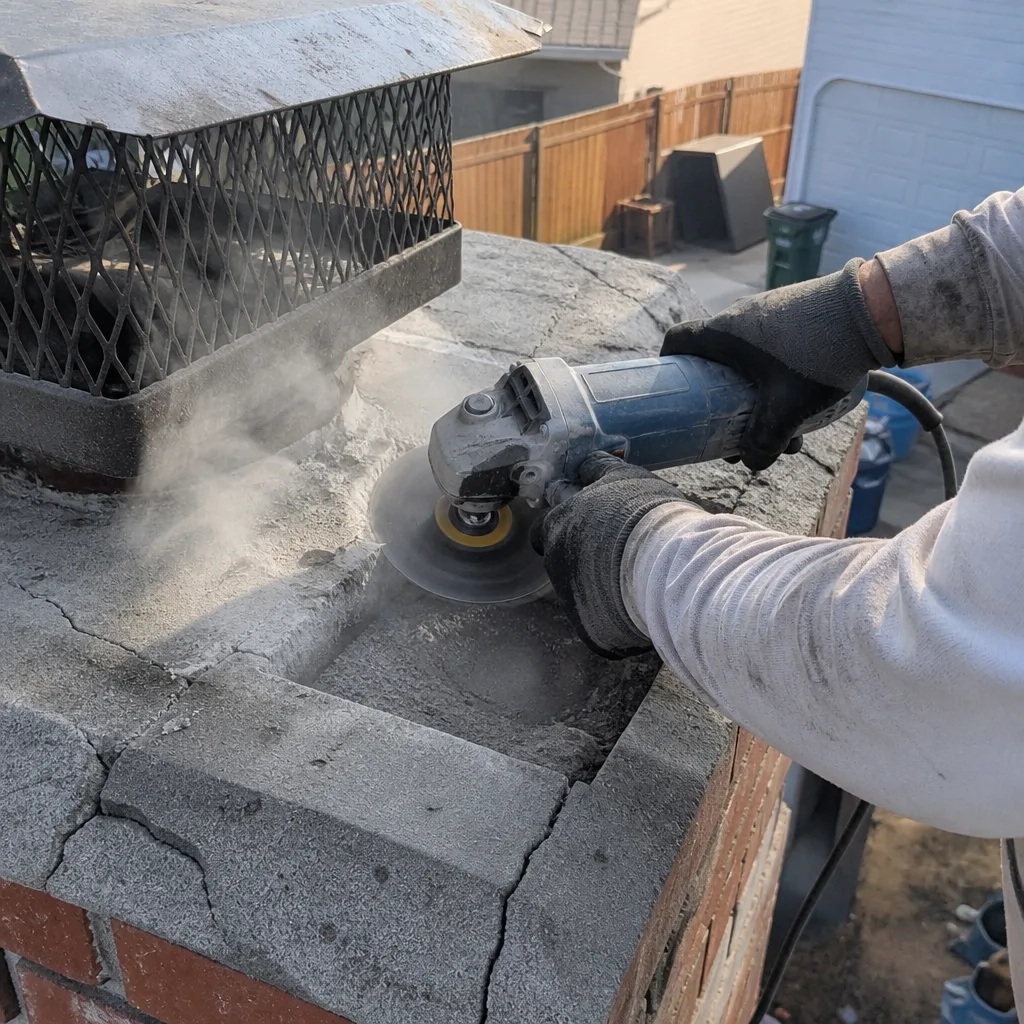
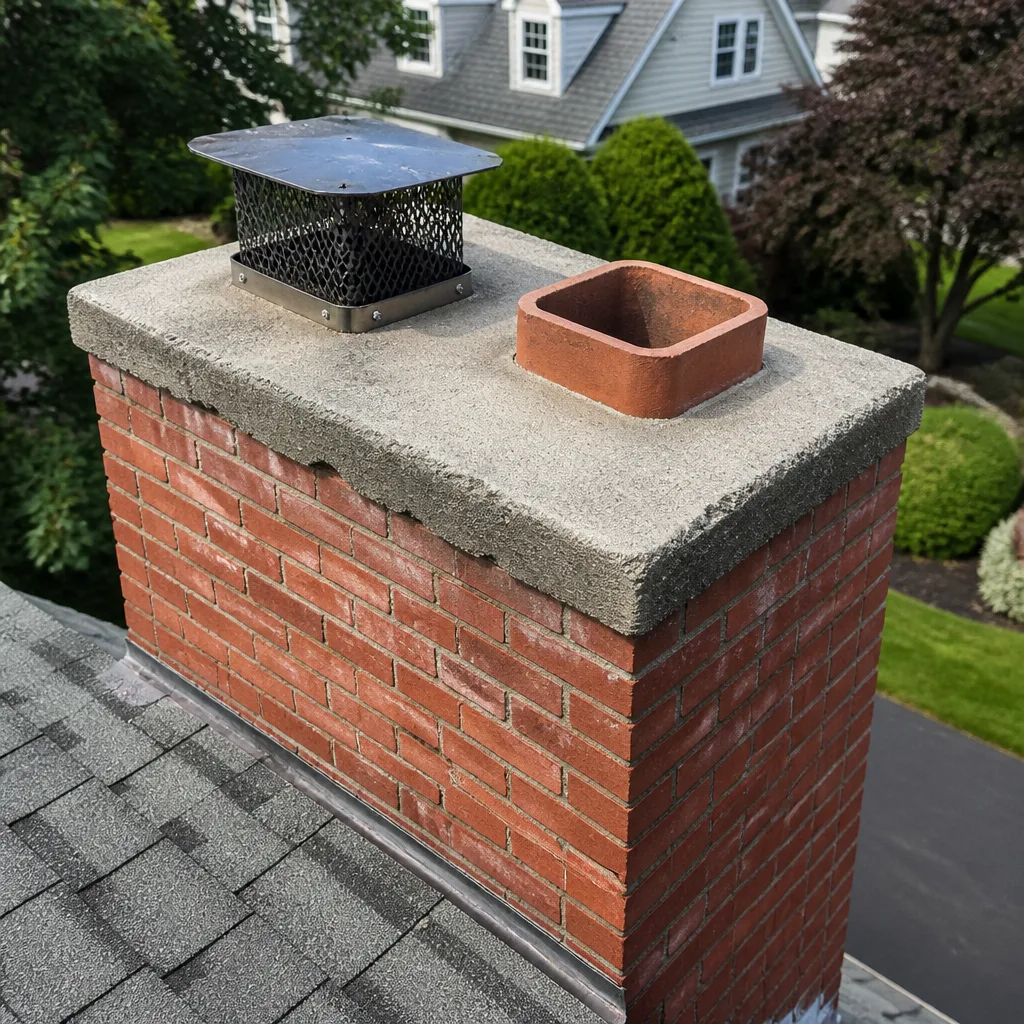
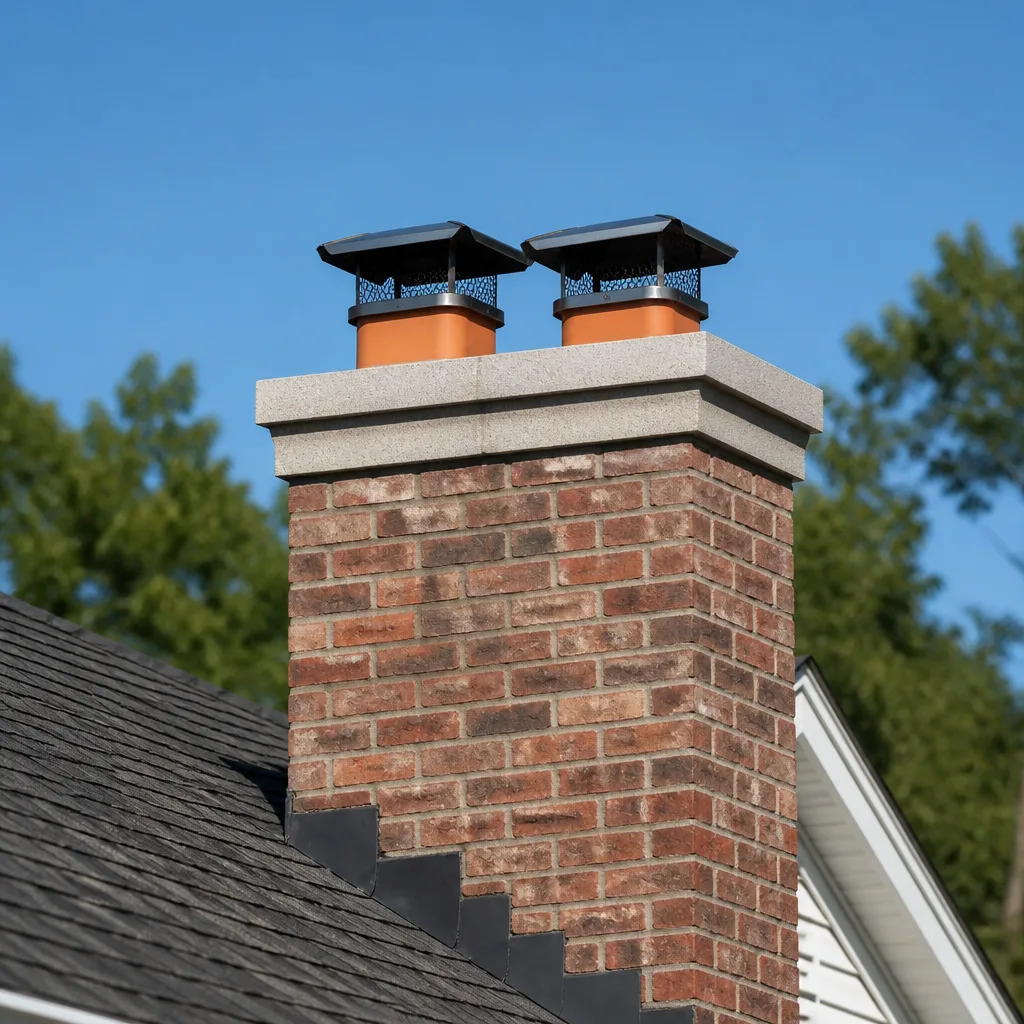
- Cap and crown replacement (Famco or Copperfield components): $150 to $400
- HeatShield flue resurfacing: typically $700 to $1,400 by flue length and condition
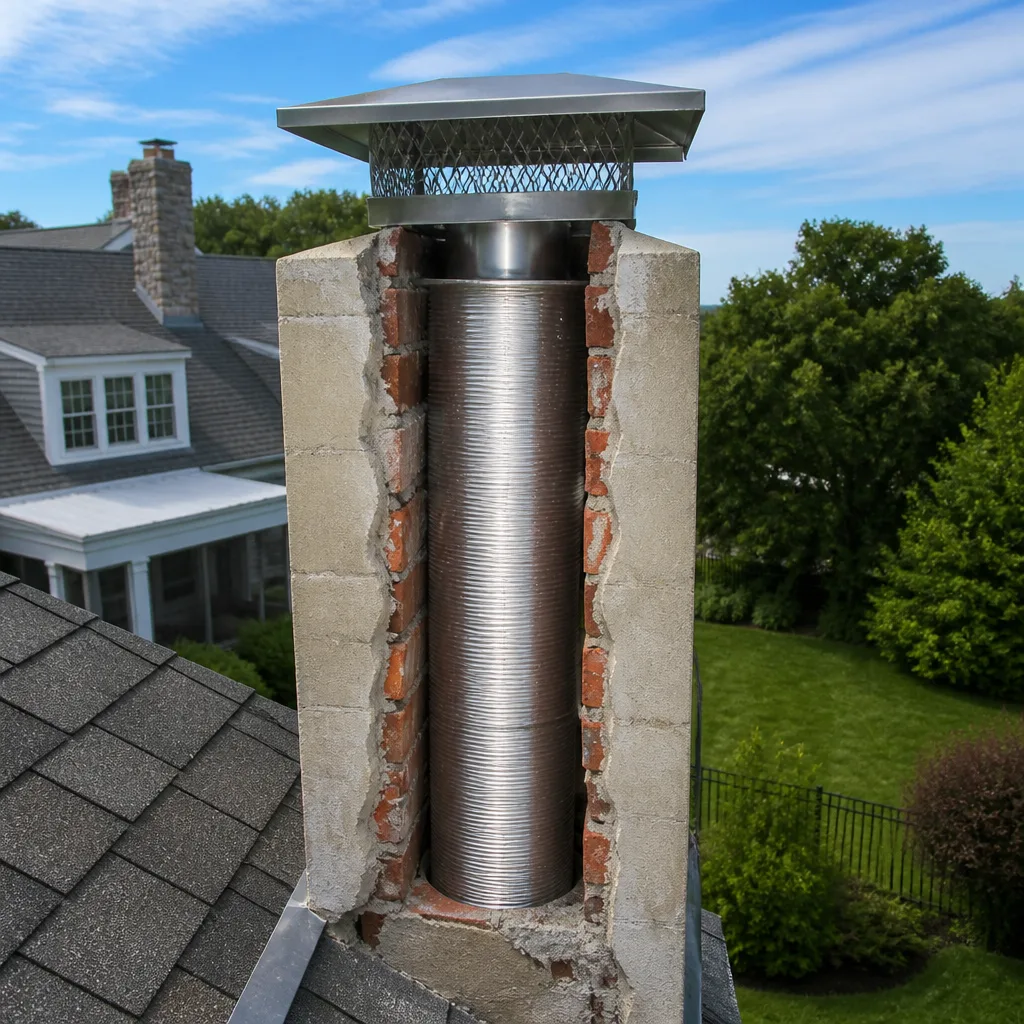
- Full flexible liner install (DuraFlex, Olympia Chimney): $2,200 to $4,500 and up by length and configuration
- Total depends entirely on what the camera finds
Note the jump. The most common sticker shock in this trade isn’t the cleaning price – it’s the surprise liner quote that arrives as a separate visit because the sweep-only company couldn’t do the repair and had to hand it off. Getting the inspection and the repair capability from the same provider is where the savings actually live. Chimney Sweep Vallejo handles both.
What drives chimney cleaning price variation in Vallejo?
Two homes on the same street can see quotes that differ by $150 for what sounds like the same job. That’s not arbitrary. Four factors account for most of the spread.
Chimney height
A single-story ranch with a short flue is a faster job than a two-story with a tall stack, and a roof with a steep pitch or awkward access adds time. Most Vallejo homes sit on relatively flat lots, but the housing stock here ranges from low-slung bungalows to taller two-story construction, and the roof geometry on some of those older homes makes access slower.
Flue type
A metal insert flue is faster to brush and often holds less creosote than a masonry flue with a rough interior. Masonry flues also have offsets, smoke shelves, and damper frames that collect deposits and slow the work. A masonry flue with multiple offsets and a tight firebox can double the time a basic sweep takes compared to a straight metal pipe.
Fuel type burned
Seasoned hardwood produces less creosote than unseasoned wood, and a wood-burning fireplace is a different cleaning job than a gas insert (which needs less sweeping but must be inspected for other issues) or a pellet appliance. If you’ve switched fuels since your last cleaning, the flue condition can be different from what you last saw – which is one reason a Level 2 camera inspection is worth it after any change.
Years since last cleaning
This is the biggest driver in Vallejo. A flue cleaned on a regular schedule has light Stage 1 creosote – soot and flaky deposits that brush off easily. Skip a few years and you’re looking at Stage 2 (hard, tar-like deposits that need mechanical removal) or Stage 3 (glazed, baked-on creosote that requires chemical treatment and substantially more labor). Stage 3 removal can easily double or triple the cleaning line item and often adds a follow-up visit.
Our technicians have up to 15 years of experience, and in that time the pattern has held: the price difference between a well-maintained flue and a long-neglected one is almost entirely about removal time, not about the sweep itself.
What does deferred chimney cleaning really cost?
The honest answer is that skipping a cleaning doesn’t save money – it defers a smaller bill and grows a larger one. Creosote accumulates in stages, and each stage costs significantly more to remove than the last.
Creosote stages and removal cost
- Stage 1: Light, flaky soot and ash deposits. Removes with standard brushing. Cleaning line item stays in the normal $80 to $150 range.
- Stage 2: Hard, tar-like deposits with a crust that resists brushing. Requires mechanical scraping and rotary tools. Cleaning rises to roughly $200 to $350 or more.
- Stage 3: Glazed, baked-on creosote that’s essentially fused to the liner wall. Requires chemical treatment, extended labor, and often a second visit. Cleaning can run $400 to $700 or beyond, and the flue may still need resurfacing or replacement afterward.
The safety side, not just the money
Creosote is the fuel a chimney fire burns. The more that accumulates, the more fuel is available, and Stage 3 glazed creosote is stubborn enough that a brush alone may not fully remove it. A blocked or heavily restricted flue also pushes combustion gases – including carbon monoxide – back into the living space instead of up and out. That’s the reason to clean on schedule, and it’s the reason to inspect properly: a brush that clears the visible deposits can still leave a blocked flue cap, a collapsed liner section, or a cracked tile joint that only the camera will find.
Deferred cleaning also compounds with housing age. Older homes around the Vallejo area often have original masonry flues that were never designed for modern appliance heat loads. That doesn’t mean every older chimney is a problem – it means the inspection is how you know, and guessing is the expensive option.
Why do professional-grade repair materials cost more?
Hardware-store fireplace sealant and a bucket of generic crown patch are cheap. They’re also the reason a “repair” can fail within a season or two and cost more to redo than the professional material would have cost once. The gap isn’t marketing – it’s chemistry, rated service life, and whether the material is designed for the specific thermal and moisture exposure a chimney actually sees.
What “commercial-rated” actually buys you
- Crown coat: A flexible, commercial-rated crown coat moves with the masonry as it expands and heats, and gets applied over a properly prepped surface. Cheap patch cracks, water gets in, and the repair is undone by the next wet season.
- Flexible liner systems: A stainless flexible liner from DuraFlex or Olympia Chimney is engineered for the flue environment, with the right alloy for the fuel type and a smooth interior that resists creosote buildup. The liner also carries its own venting and connection components so the whole system is compatible.
- Caps and top components: Famco and Copperfield caps and venting parts are designed to fit the flue and vent properly, so you don’t get the gaps, rattles, or improper draft that universal-fit parts cause.
- Flue resurfacing: HeatShield is a specialist flue-resurfacing system that restores a deteriorating liner surface rather than replacing it. That’s a real cost-saving capability most sweep-only operators don’t have – a cracked or slightly deteriorated liner can often be resurfaced for a fraction of a full reline, but only if the person doing the inspection has the tool and the skill to do it.
The lifespan difference is the point. A repair that’s done with the right material on the right substrate typically lasts many years; the same repair with a generic product often doesn’t survive two heating seasons. The line item looks higher on paper, but the cost per year of service is usually lower – and you’re not paying twice.
We work with a defined roster of professional-grade lines – DuraFlex, HeatShield, Gelco, Olympia Chimney, Famco, and Copperfield – rather than whatever ships fastest. That’s a deliberate choice, and it’s what lets a repair hold up to Vallejo’s climate swings.
How do you evaluate whether a quote is complete?
A chimney quote can be complete at any tier, as long as it tells you exactly what’s included and what isn’t. The problem is the incomplete quote that’s dressed up like a complete one. Here’s how to tell.
- Check for a camera inspection line item. If the quote is for a sweep and nothing else, ask directly whether a camera inspection is included. If the answer is “not needed,” ask why – and whether the technician has actually looked inside the flue.
- Confirm what’s being brushed. A sweep line item should specify the flue, firebox, and smoke chamber. “Clean chimney” without those specifics is too vague to hold up.
- Ask what the report includes. A written condition report should list the components inspected (crown, cap, flashing, damper, liner, smoke chamber) and note their condition, with photos where possible.
- Look for the disposal line. Soot and creosote have to go somewhere. If a quote doesn’t address cleanup and disposal, ask where it goes.
- Ask who does the repair. If the inspection finds a problem, can the same provider do the work, or will another contractor have to come out? A separate visit means a separate quote, a separate scheduling lead time, and a separate clean-up.
- Ask for material brands in writing. “Stainless liner” is not a brand. A complete repair quote names the liner system, the cap, and the crown product – because the material is what the longevity depends on.
- Push back on pressure. Anything described as an emergency without a camera image to back it up should be questioned. A legitimate repair recommendation comes with evidence you can see.
The line to hold onto: you should never be told you need thousands of dollars of liner work you have no way to verify. Ask to see the camera footage. A provider who found something real will be glad to show you.
Common mistakes to avoid
- Buying the sweep with no inspection. A brush clears what it can reach. It cannot tell you the liner is cracked, the crown is failing, or the flue cap is blocked. The $80 tier is fine for a well-maintained metal insert flue and thin coverage for anything else – ask yourself which one you have before you book.
- Skipping the cleaning because you “don’t burn that much.” Creosote accumulates from every fire and from the cooling of smoke up the flue, not just from heavy use. A wood-burning fireplace used a handful of times a season still builds deposits; the schedule should be based on inspection, not on how often you light it.
- Letting a sweep-only operator diagnose a liner problem. The person who inspects the flue should also be able to resurface it (HeatShield) or reline it (DuraFlex or Olympia Chimney). A sweep-only operator’s incentive is to hand off a big-ticket repair, not to find out whether a resurfacing would have solved it for less.
- Accepting a generic crown patch or hardware-store caulk on a chimney repair. The material is the repair. Cheap material on a failing crown buys you one wet season at most.
- Ignoring the dryer vent. Lint buildup in the dryer vent is a fire hazard, not a housekeeping annoyance. If you’re already having the chimney looked at, have the dryer vent cleaned on the same visit – it’s a separate system with its own safety stakes, and dryer vent cleaning is a core service, not an upsell.
- Choosing a quote on price alone. A $99 sweep and a $350 sweep aren’t the same service at different prices. Compare line items, not totals.
- Not asking for the camera footage. If you can’t see the problem, you can’t make an informed decision about the repair. Any provider who did a Level 2 inspection should be happy to walk you through the footage.
When to call a professional
Some signs call for a professional visit rather than a wait-and-see. If you’re in Vallejo, that call is local. Call when: it’s been more than a season or two since your last cleaning and you burn wood regularly; you’ve just bought a home with a fireplace and have no record of when it was last serviced; you smell creosote or smoke indoors when the fireplace isn’t lit; the fire is harder to light or smokes back into the room; you see damage to the crown, cap, flashing, or masonry on the exterior; or you notice glaze-like buildup on the inside of the flue when you look up from the firebox. Any one of those is reason enough to have the chimney inspected properly.
Chimney Sweep Vallejo offers free estimates in Vallejo – call (844) 320-2881. We answer 24/7. Fast dispatch from 7am to 7pm, Sunday through Friday. Closed Saturday.
See the difference
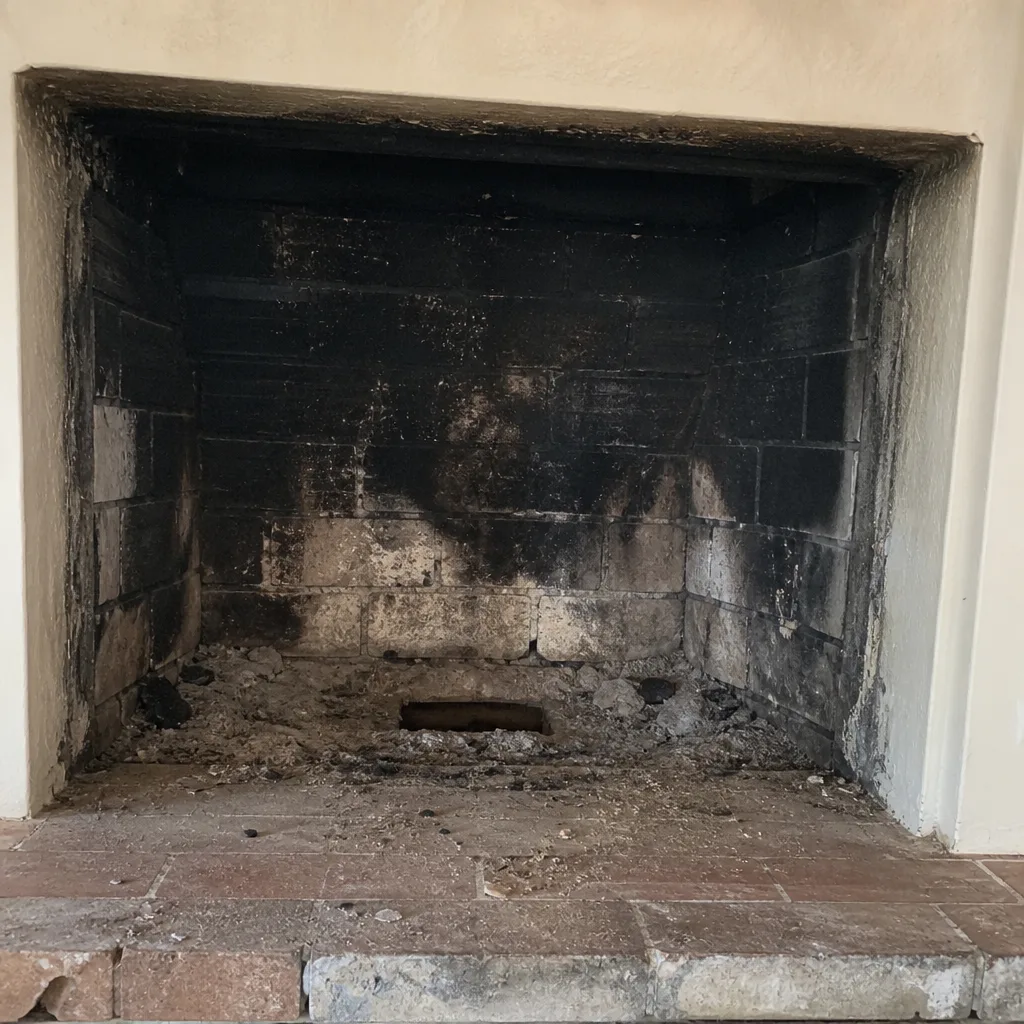 Before
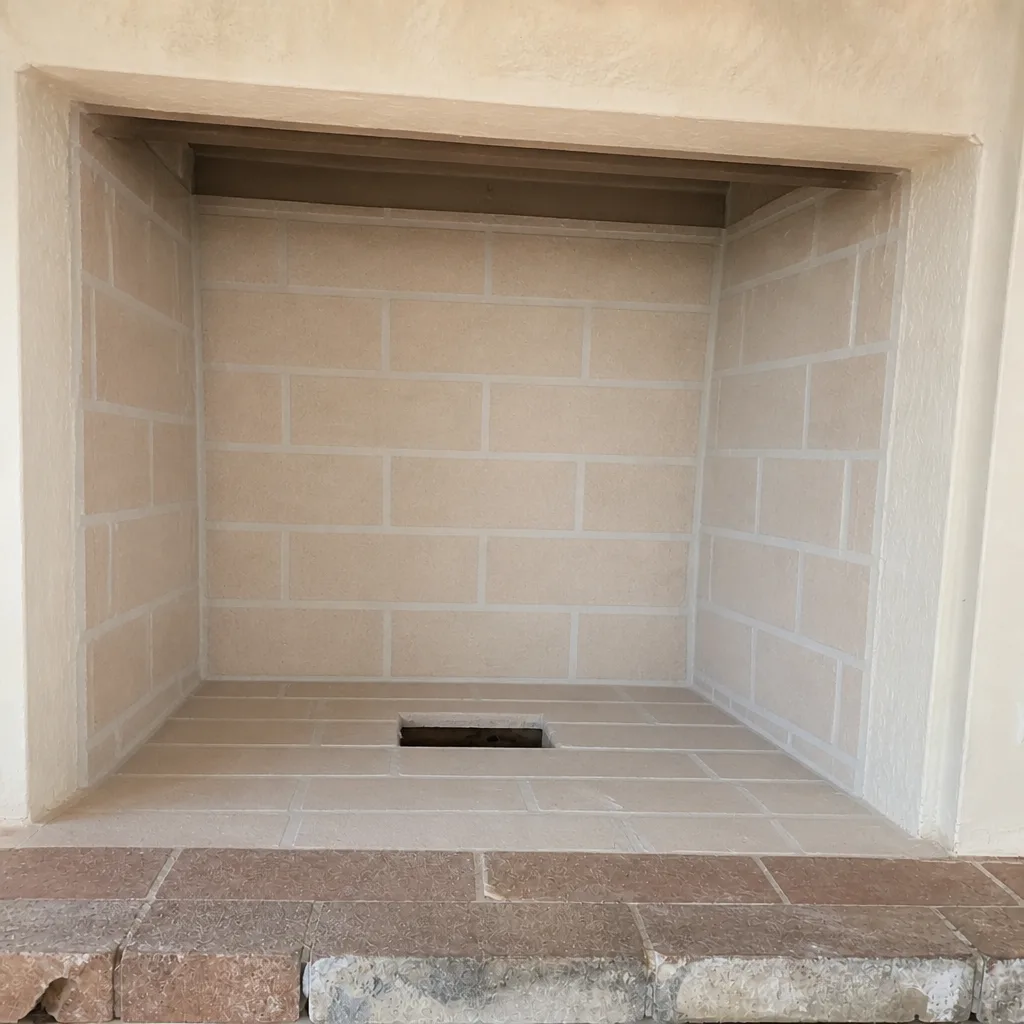 After
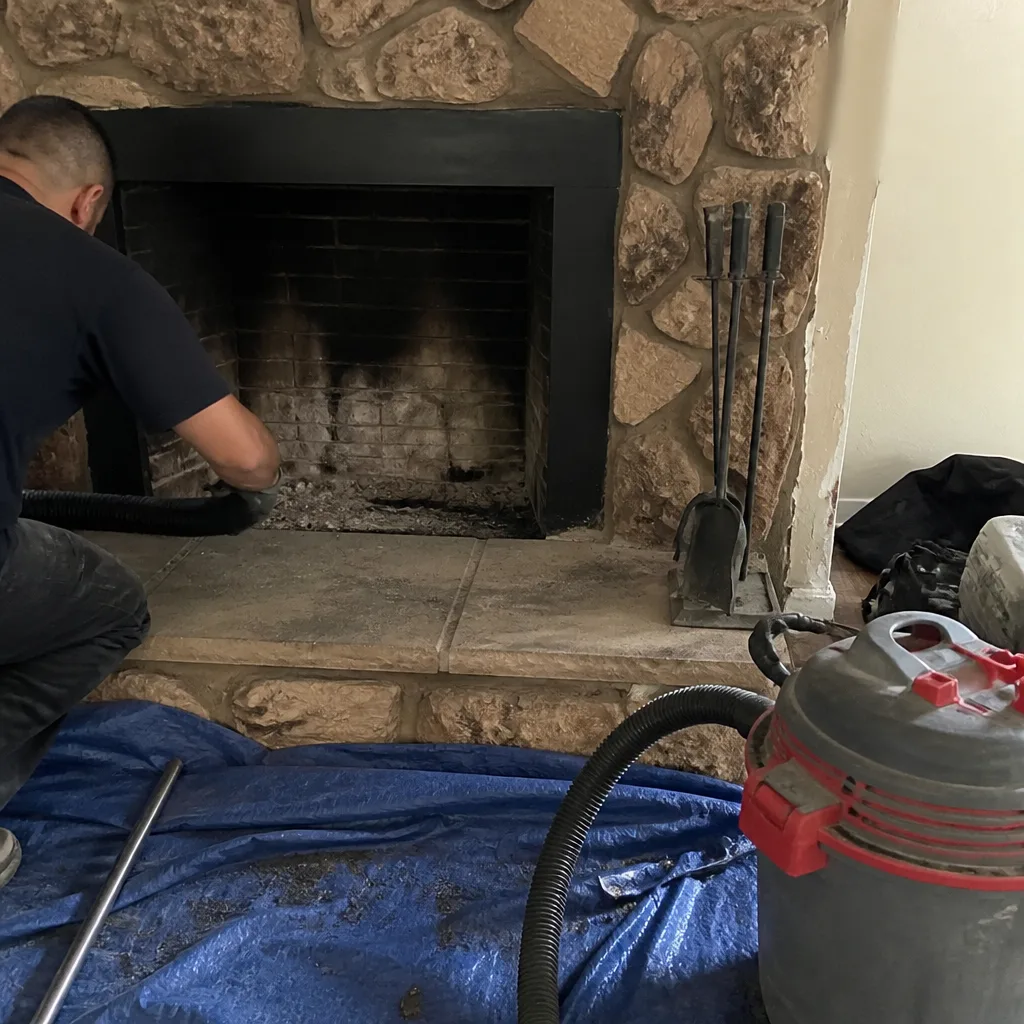 Before
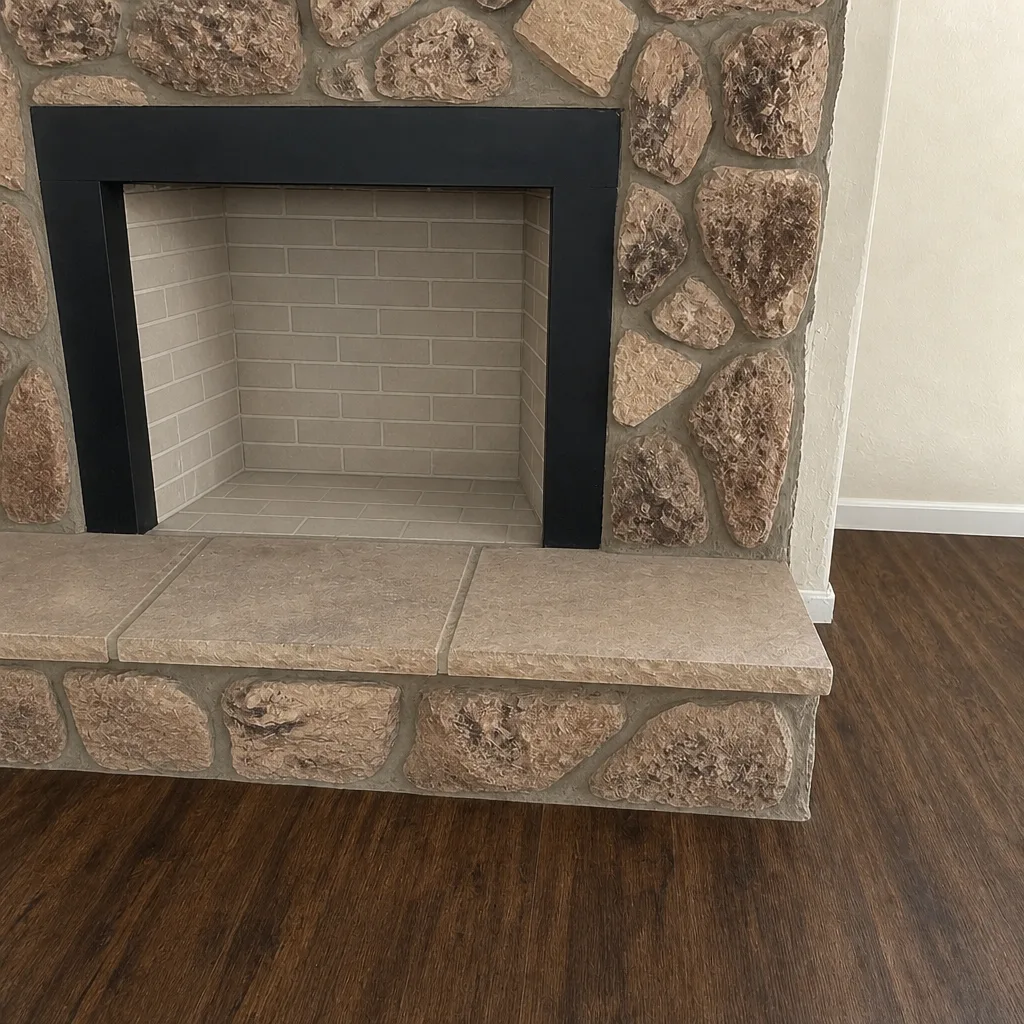 After
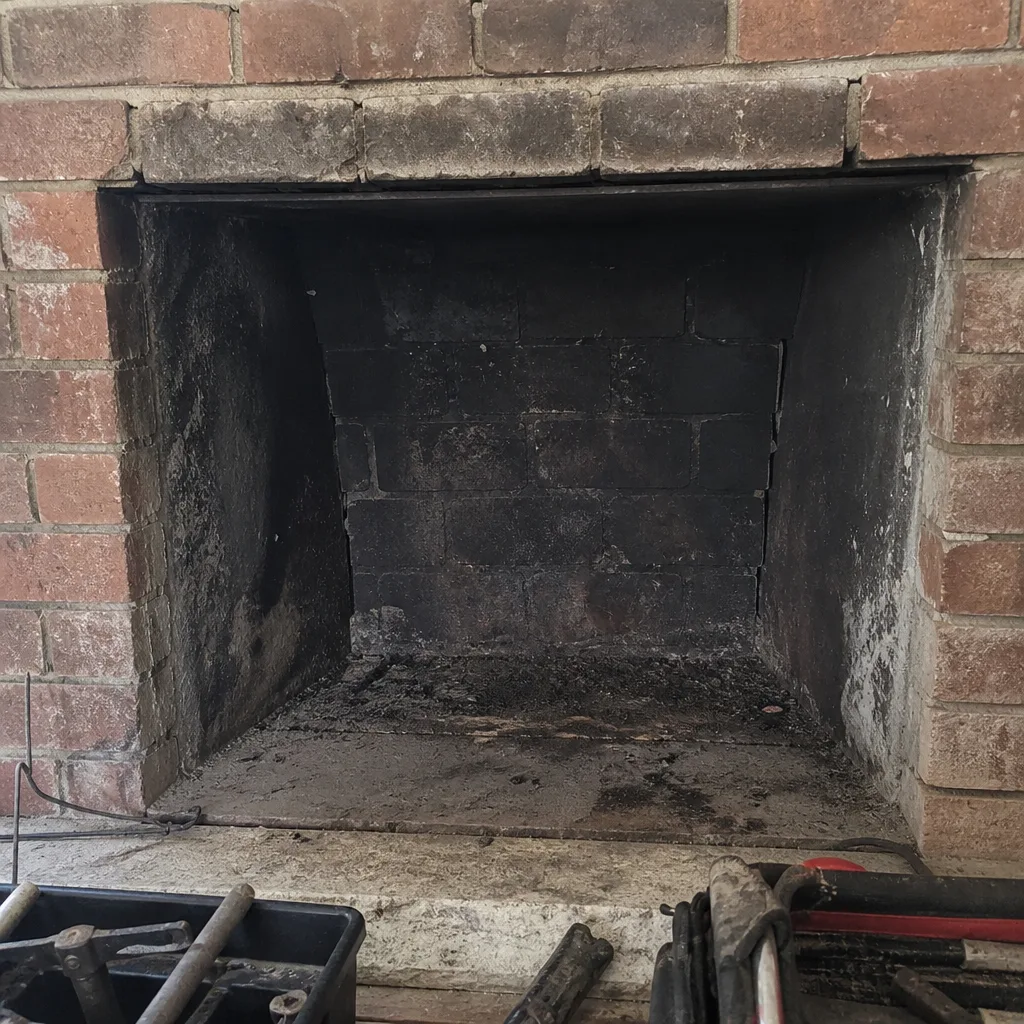 Before
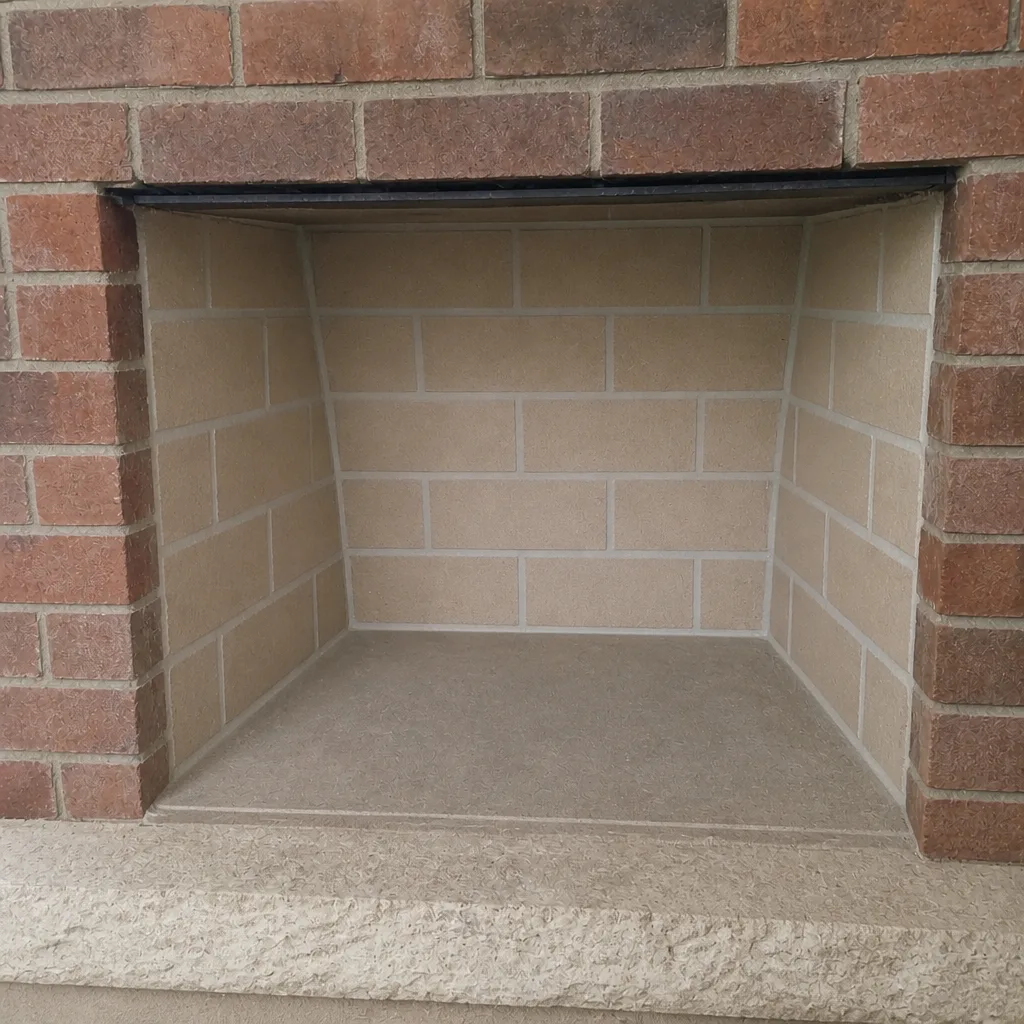 After
Frequently Asked Questions
Most chimney cleaning in Vallejo falls in the $80 to $450 range, depending on the tier. A basic brush-and-vacuum sweep runs roughly $80 to $150; a sweep with a Level 1 inspection and written report is about $180 to $280; and a sweep with a Level 2 camera inspection is typically $280 to $450. The written estimate after an on-site look sets the final price. Call (844) 320-2881 for an exact quote – estimates are free.
Not every cracked or deteriorated liner needs a full replacement. HeatShield is a flue-resurfacing system that restores a deteriorating liner surface, and it’s often a fraction of the cost of a reline when the liner is a candidate for it. The only way to know is a camera inspection – and you should see the footage yourself before you decide. A full DuraFlex or Olympia Chimney liner is the right call when the existing liner is too far gone for resurfacing. Call (844) 320-2881 to have your flue looked at – estimates are free.
The general rule in this trade is that a chimney should be inspected annually and swept as needed based on what the inspection finds. Wood-burning flues that see regular use often need actual sweeping roughly once a year, while a gas appliance flue may need less frequent sweeping but still benefits from an annual inspection. The right interval depends on your fuel, your appliance, and your burn habits, so the inspection is what sets the schedule. Call (844) 320-2881 to book a look – estimates are free.
The buildup continues to accumulate and the removal itself gets more expensive. Stage 1 creosote brushes off in a standard sweep, but Stage 2 and Stage 3 deposits require mechanical scraping, chemical treatment, or both – and Stage 3 can double or triple the cleaning cost. The safety side is more serious: heavy creosote is the fuel a chimney fire burns, and a blocked or restricted flue can push combustion gases, including carbon monoxide, back into the home. Neither risk is worth managing on hope. Call (844) 320-2881 for a free estimate before the next burning season.
Yes. We clean it and we can fix it. Our scope covers chimney sweeping, chimney repair, and dryer vent cleaning as one service, so a camera inspection that finds a cracked crown or a deteriorating liner can turn into a same-visit repair rather than a hand-off to a different contractor and a second appointment. That saves you the second service call and, more importantly, gets the flue back into safe working order before you use it again. Call (844) 320-2881 – estimates are free.
A Level 1 inspection is a visual check of all accessible portions of the chimney – exterior, firebox, damper, smoke chamber, visible flue sections, cap, and crown – and it’s appropriate when nothing has changed and there’s no reason to suspect a problem. A Level 2 inspection adds a camera run through the flue so the interior walls, joints, and offsets can be assessed, and it’s the appropriate tier after a chimney fire, after a long gap in cleaning, after buying a home, or when the fuel type or appliance has changed. On older homes, the Level 2 is usually the inspection that catches what the visual check can’t. Call (844) 320-2881 to book the right tier – estimates are free.
The Bottom Line
Chimney cleaning costs in Vallejo span a wide range for one reason: the tiers do different jobs. The $80 sweep answers whether the flue is clear. The camera inspection answers whether the flue is sound, and that’s the question most homeowners actually need answered. Repair pricing follows the same logic – the material and method you choose for a crown, a resurfacing, or a liner determines how long the repair lasts, not just what it costs today. Read a quote by its line items, ask to see the camera footage, and never accept a repair recommendation you can’t verify. The written estimate governs, and the right provider can clean it and fix it without sending you to someone else. We work with chimney sweep and repair work as one service, and our technicians have up to 15 years of experience. Call (844) 320-2881 for a free estimate. We answer 24/7. Fast dispatch from 7am to 7pm, Sunday through Friday. Closed Saturday.
Written by the team at Chimney Sweep Vallejo.