
Last updated November 15, 2026
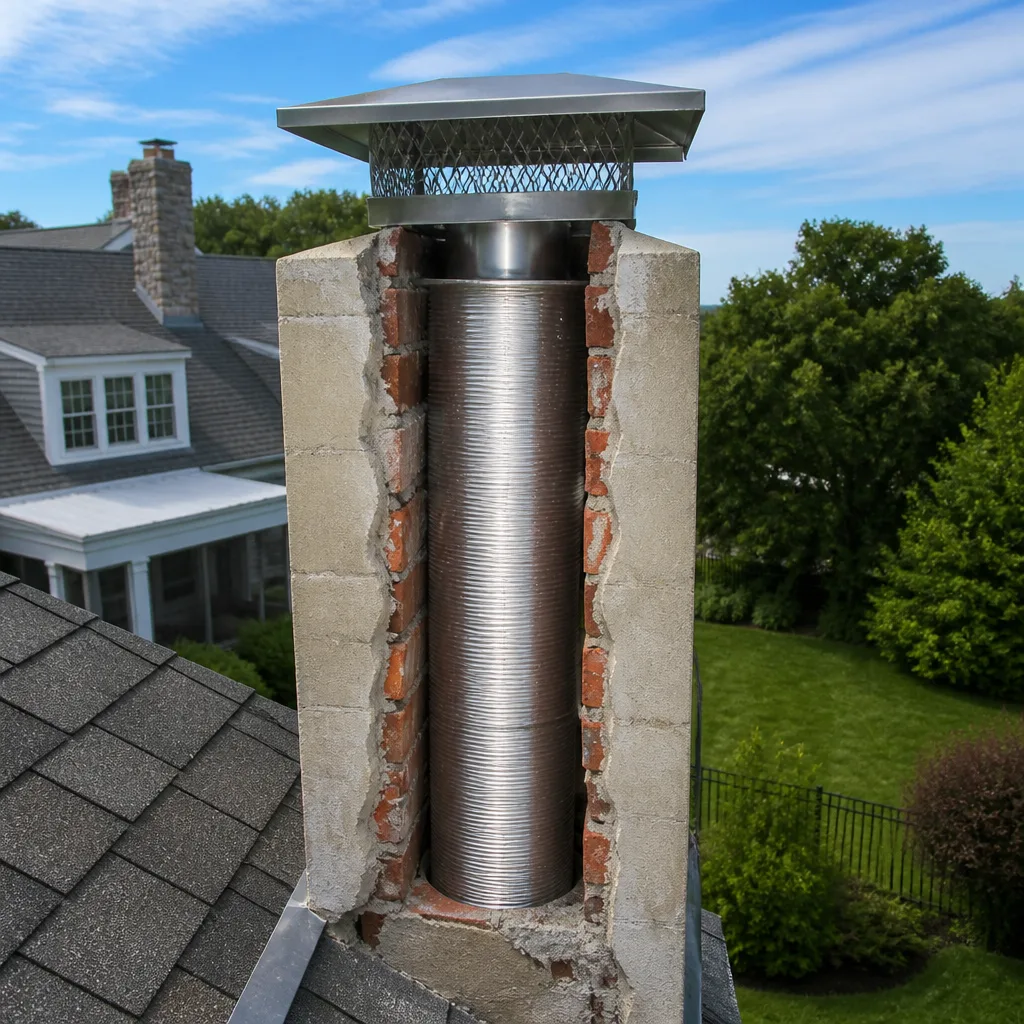
 Sweep & inspection
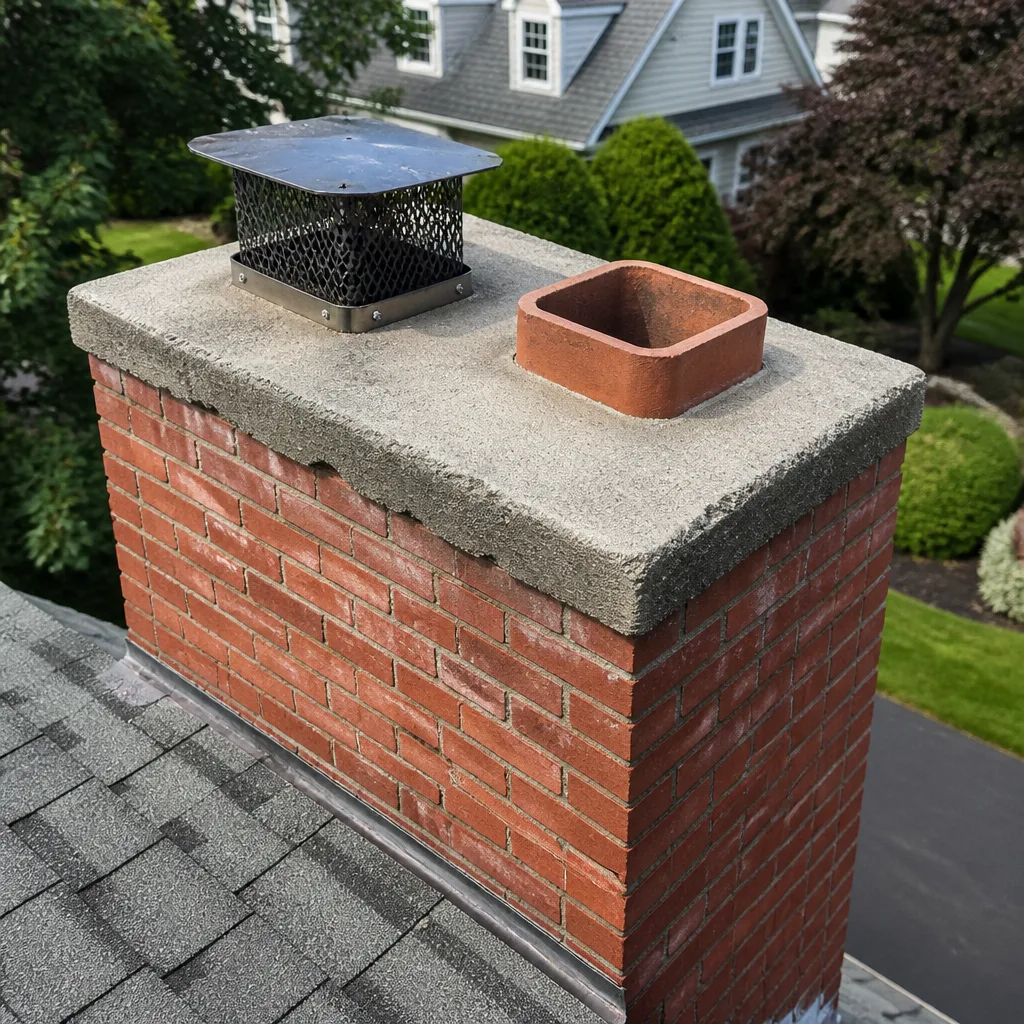
 Caps & crowns
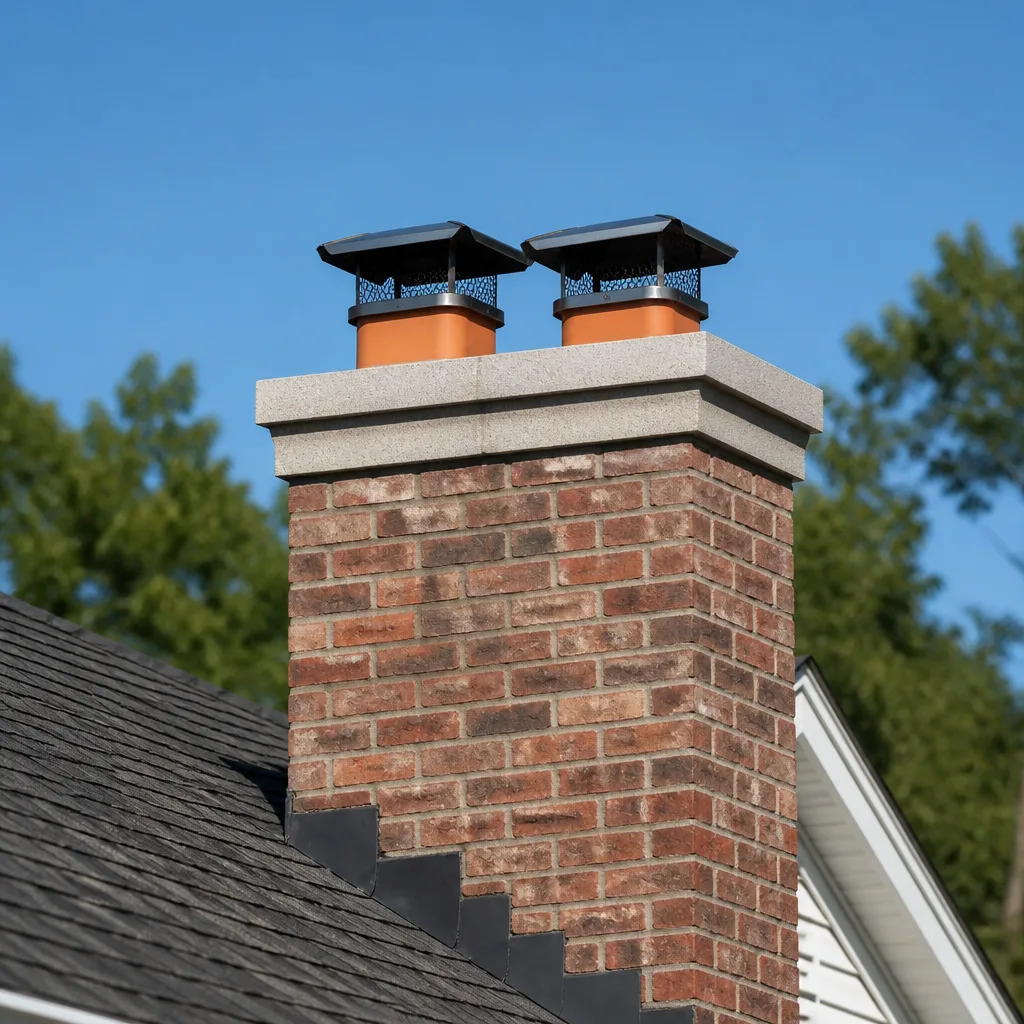
 Flue relining
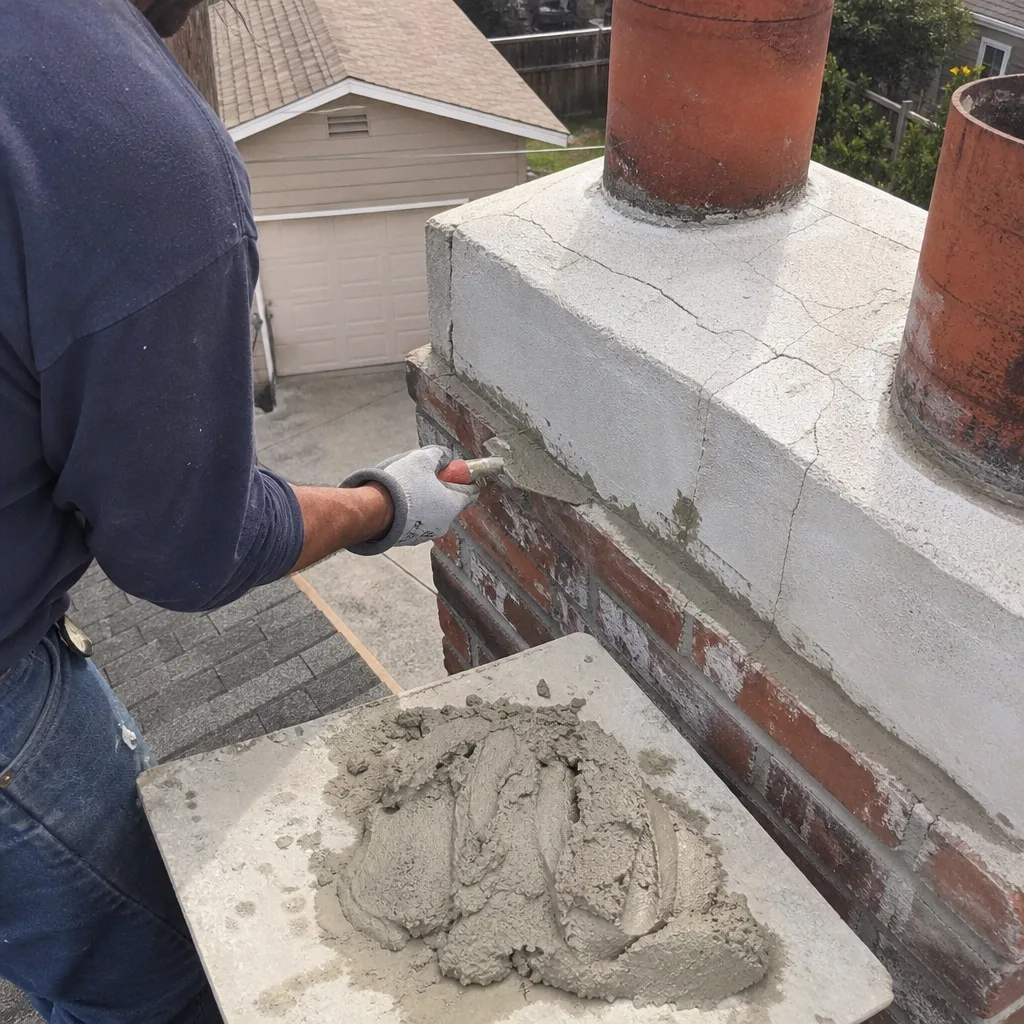
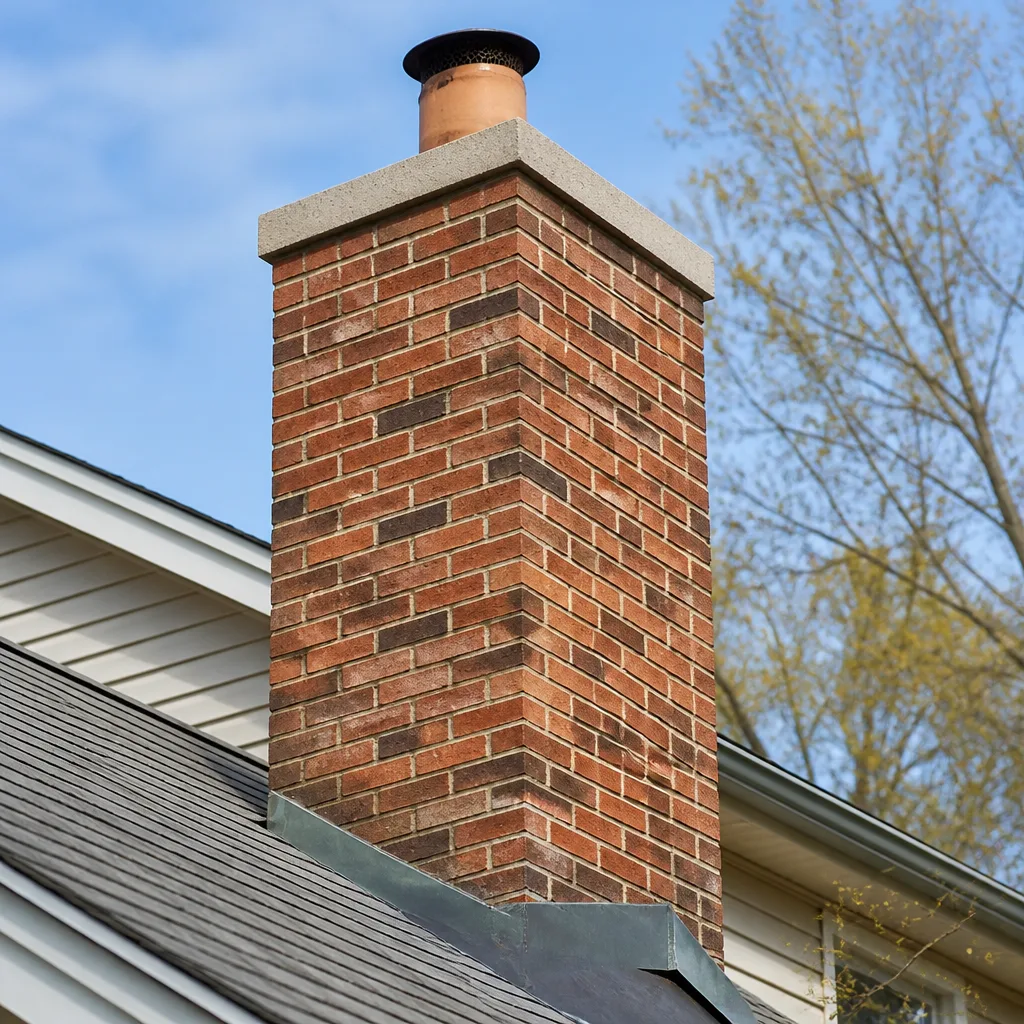 Masonry repair
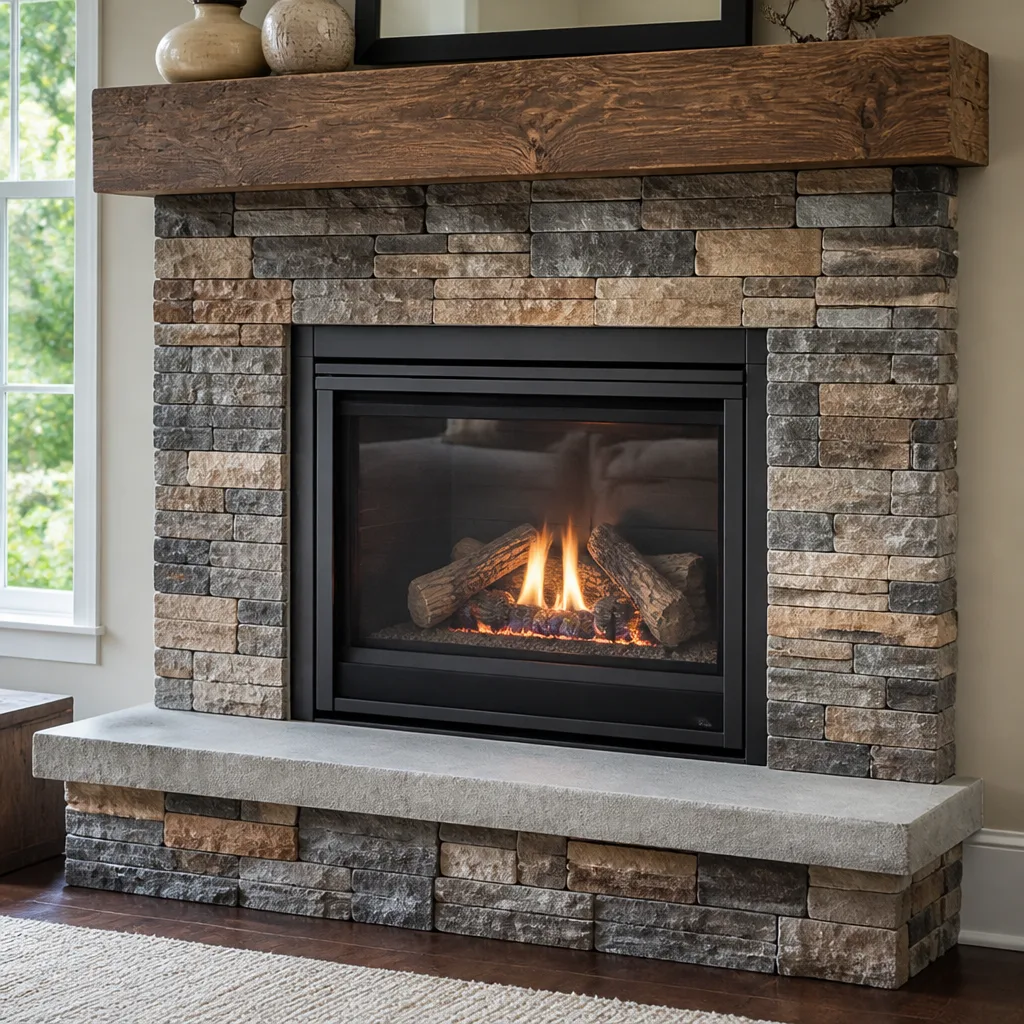 Gas fireplace service
Level 1 sweep and inspection to the NFPA 211 annual standard - flue, crown, cap, and flashing checked and photographed
Chimney sweep logs do not sweep chimneys. They loosen some creosote - which then falls where a brush and vacuum still have to collect it.
DIY vs Professional Chimney Cleaning: The Vallejo Homeowner’s Decision Guide
A chimney brush is a simple tool, and that’s the problem. It removes a layer of surface creosote from the flue, and that’s genuinely worth doing. But a brush can’t tell you whether the liner behind that creosote is cracked, whether the flashing at the crown is letting water into the masonry, or whether a firebox joint has separated enough that the next hot fire pushes smoke and carbon monoxide into the room instead of up the stack. That gap between what a brush does and what a chimney needs is exactly where DIY work stops being safe. This guide draws the line honestly: what you can maintain yourself, what only a trained eye with the right equipment can catch, and why the two should never be confused. We wrote it for Vallejo homeowners, because the housing stock here makes those distinctions matter more than they do in newer parts of the Bay Area.
Quick Answer
A homeowner can safely sweep light, surface-level creosote from a straightforward flue with the right brush and rods, but only a professional can inspect the liner, smoke chamber, firebox and flashing for the defects that actually start chimney fires and carbon monoxide leaks. In Vallejo’s older homes, the inspection matters more than the sweeping, and most of the serious problems we find are things a brush never touches. If you want one rule to carry away: you can maintain, but a professional has to inspect.
Styles & brands we work with
- Sweep & inspection
- Caps & crowns
- Flue relining
- Masonry repair
- Gas fireplace service
Table of Contents
- What a Chimney Brush Actually Does (and Doesn’t Do)
- Why Vallejo’s Older Housing Stock Raises the Stakes
- Understanding Creosote: Why Stage 2 and Stage 3 Change the Decision
- What a Professional Sees That You Can’t
- The Cost-Benefit Reality of DIY vs Professional Cleaning
- The One Task You Should Always Leave to Professionals
- Safety Equipment and the Case for a Trained Hand
- How Often Should a Vallejo Chimney Be Cleaned?
What a Chimney Brush Actually Does (and Doesn’t Do)
Let’s be precise about the tool, because the whole decision hinges on it. A chimney brush, whether poly or wire, is a scraping device. It knocks loose soot and the softer grades of creosote off the flue walls and sends them down to be collected. On a flue that gets swept regularly and burns reasonably dry wood, that’s most of what’s there. A careful homeowner with a properly sized brush, flexible rods, drop cloths and a good shop vacuum can accomplish a real surface cleaning on a straight, accessible flue.
What the brush cannot do is the part that keeps you safe.
- It can’t see. A brush tells you nothing about the condition of the liner behind the creosote. Cracks, gaps between clay tiles, and spalling surfaces are invisible from the top or the firebox.
- It can’t reach the smoke chamber. The smoke chamber above the damper is corbelled and irregular. A brush passes through it without cleaning the ledges where creosote collects and erodes over time.
- It can’t assess the firebox. Mortar joints, firebrick cracks and spalling in the firebox are structural questions, not cleaning ones.
- It can’t find a blockage it didn’t cause. Nests, fallen liner chunks and debris sit above the brush’s reach or get pushed around rather than removed.
- It can’t evaluate the exterior. Crown cracks, flashing failures and masonry deterioration happen outside the flue entirely.
So the honest framing is this: DIY cleaning removes fuel. Professional service evaluates the vessel that holds the fire. One is maintenance. The other is diagnosis. Confusing them is how a small liner crack becomes a chimney fire or a carbon monoxide problem, and it’s the single most common thing we untangle when we do a chimney sweep in an older home.
Why Vallejo’s Older Housing Stock Raises the Stakes
Vallejo has a large share of homes built before 1980, and that single fact changes the DIY calculation. Older masonry chimneys were built to standards that predate modern liner requirements, and many have clay tile liners that have been quietly deteriorating for decades. When you run a brush through a flue like that, you’re scraping against material that may already be compromised. Sometimes the brush dislodges a chunk of clay tile or a section of loose mortar, and now you have a blockage or a breach where you had a slow problem before.
There’s a second concern that deserves plain language. Homes built before 1980 may contain asbestos in certain chimney and venting materials, including some older flue linings, gaskets and insulation around the chimney. Disturbing those materials during a DIY cleaning can release fibers into the air. This is not a reason to panic about your house. It’s a reason to have someone who knows what to look for assess the flue before you start scraping. If asbestos is a possibility in your home, that assessment belongs to a professional, full stop.
Add in the mild winters here. Because Vallejo doesn’t force a hard seasonal shutdown of fireplace use, many homeowners burn on and off through the cooler months without ever thinking about a yearly sweep. That slow, intermittent use is exactly the pattern that lets creosote build in layers over time. If you’re in a pre-1980 Vallejo home and you haven’t had the flue looked at, the question isn’t really whether to sweep. It’s whether the liner is sound enough to sweep safely, and that’s an inspection question.
Understanding Creosote: Why Stage 2 and Stage 3 Change the Decision
Creosote is the residue of incomplete combustion, and it comes in three grades that behave very differently. Stage 1 is the fluffy, soot-like deposit a brush handles well. Stage 2 is a flaky, crusty layer that clings to the flue and is harder to remove. Stage 3 is a glazed, hardened deposit that bonds to the liner surface like varnish and cannot be brushed off at all. The progression matters because the grade determines whether a brush is even the right tool.
- Stage 1 (soot and light fluff): Brush-removable. A careful DIY sweep can manage this on a sound, accessible flue.
- Stage 2 (crusty flakes): Partially brushable with effort and the right brush, but easy to leave behind, especially on irregular surfaces. This is where a DIY sweep often looks clean and isn’t.
- Stage 3 (glazed, hardened): Not brush-removable. It requires professional chemical treatment or, in severe cases, liner replacement. A brush will skate right over it.
Here’s the practical takeaway. The deposit that ignites most chimney fires is the heavy, glazed Stage 3 creosote that a brush can’t touch, and the crusty Stage 2 that a homeowner leaves behind on the smoke chamber ledges. If your flue has been swept regularly and you burn dry, well-seasoned wood, you’re probably dealing with Stage 1 and a DIY sweep has real value. If it’s been years since the flue was cleaned, or you’ve been burning unseasoned wood, or the fire smokes back into the room, you’re likely past the point where a brush kit solves the problem. Knowing which situation you’re in requires someone to look at the flue and tell you honestly. That’s the diagnostic we do before any cleaning, and it’s why we say we’ll tell you exactly what we found and exactly what it needs.
What a Professional Sees That You Can’t
The difference between a DIY sweep and a professional service isn’t effort or elbow grease. It’s information. A professional evaluation uses a camera that travels the full length of the flue, and the footage shows things that are simply not visible from either end.
- Liner cracks and joint gaps: A cracked or separated clay liner lets heat and combustion gases reach the masonry and framing. From the firebox you see nothing. On camera, the crack is obvious.
- Smoke chamber erosion: The corbelled smoke chamber erodes over time, and the deterioration collects creosote in places a brush glides past. This is a fire risk that hides above your damper.
- Firebox joint separation: Mortar joints that have pulled apart, firebrick cracks and spalling that signal the firebox is losing its integrity. Structural, not cosmetic.
- Flashing and crown condition: Water intrusion at the crown or flashing rots masonry from the inside. It shows up as staining or efflorescence, which you’ll never see if you’re only looking down the flue.
- Hidden obstructions: Nests, debris and dislodged liner pieces that a brush pushes around instead of removing.
We show the camera footage to our customers, because the point of a professional inspection is that you shouldn’t have to take anyone’s word for it. You see the liner. You see the crack. You decide with evidence in front of you, not a sales pitch. That’s the standard we hold ourselves to, and it’s the honest answer to the worry most homeowners bring to this decision: that they’ll be told they need expensive liner work they can’t verify. You can verify it. And when work can safely wait, we say so.
The Cost-Benefit Reality of DIY vs Professional Cleaning
The cost comparison looks lopsided at first glance, because a brush kit and rods are a modest one-time purchase and the labor is yours. But that comparison only holds if the DIY sweep catches everything that matters. It usually doesn’t, and the gap between what it catches and what the flue needs is where the real cost lives.
Here’s how to think about it honestly, without pretending we can quote you a number in a guide:
- DIY saves upfront on a routine, light sweep of a sound flue. That’s real, and we won’t pretend otherwise.
- DIY costs more when it misses a Stage 2 deposit that then glazes into Stage 3, which requires professional chemical treatment or liner work a brush kit was never going to handle.
- DIY costs the most when it misses a liner crack and that crack becomes a chimney fire, water-damaged masonry, or a carbon monoxide pathway into the house. Those are the outcomes that turn a maintenance task into a repair project.
- Professional service includes the diagnosis. You’re not paying only for the sweep. You’re paying for the camera inspection and the trained eye that tells you whether the sweep was sufficient or whether something else is going on.
The cost-benefit reality is that DIY is a reasonable choice for a specific situation: a regularly swept, sound, straightforward flue on a home where you know the liner is in good condition. Outside that situation, the money a homeowner “saves” on a DIY sweep is often money deferred onto a larger repair later. If your tile liner is deteriorating, that’s where the professional-grade angle matters. We’re equipped with HeatShield, a specialist flue-resurfacing system that can restore a deteriorating liner surface rather than defaulting straight to full replacement. That option exists precisely because not every worn liner needs to be torn out, and it’s a repair many sweep-only operators can’t offer. For flues with complex or offset paths, we work with DuraFlex flexible liner systems, which handle configurations a rigid liner can’t. Knowing which of those applies to your flue, versus which is unnecessary, is a judgment call that starts with an inspection. If you have a dryer vent cleaning need alongside the chimney, we handle that on the same visit, since both are venting-safety questions and there’s no reason to coordinate two contractors for them.
The One Task You Should Always Leave to Professionals
There is one task that homeowners should never take on regardless of DIY skill, comfort on a roof, or how much they want to save: anything that requires working on the exterior of the chimney at height, and anything that involves opening up or servicing the flue liner itself. The line exists for two reasons, and both are about consequences you can’t take back.
The first is fall risk. Chimney work often means a roof, a ladder, or a crown, and the injuries from falls are severe and permanent. No amount of care makes roof work a homeowner project. The second is that liner and masonry work is where a small misstep becomes a structural or fire-safety problem. Dislodging a clay tile segment, disturbing a compromised liner, or disturbing materials that could contain asbestos are all outcomes that a trained professional is equipped to handle and a homeowner is not. The line isn’t about who’s capable of holding a brush. It’s about who can do the work without creating a new hazard.
There’s a third, quieter reason. The exterior inspection – crown, flashing, masonry – is where water intrusion problems are caught before they rot the chimney from the inside. If you clean the flue yourself, you may never look at the crown. A professional service looks at the whole system because the whole system is what keeps the fire where it belongs. When we replace caps, covers and venting components, we work with professional-grade lines like Famco and Copperfield, so the parts that finish the job are built to last, not whatever ships fastest. That completeness is the argument for the professional side, and it’s a genuine one, not a sales line.
Safety Equipment and the Case for a Trained Hand
If you’re going to maintain your own flue between professional inspections, at least do it safely. A homeowner sweep, done with the right gear and realistic expectations, is a legitimate maintenance task. Here’s what that looks like.
- Sized brush and flexible rods. The brush should match the flue dimensions. An oversized wire brush can damage a clay liner; an undersized one leaves creosote behind.
- Drop cloths and containment. Soot travels. Seal the firebox opening and lay heavy drop cloths before you start.
- Respiratory protection. A proper respirator, not a dust mask, for soot and any airborne debris.
- Eye protection and gloves. Non-negotiable.
- A shop vacuum rated for fine soot. A household vacuum will clog and spread dust.
- A second person present. Never sweep alone, and never combine sweeping with roof access.
And here’s the caveat that matters more than any of the above. If at any point you’re uncertain about the condition of the liner, or you see loose material, or the flue has never been inspected, stop and have it looked at. The safety margin in chimney work comes from knowing the condition of the system before you work on it, and that’s the professional’s job. Our technicians have up to 15 years of experience, and in our experience the problems that matter are the ones you can’t see from the top of a ladder or the bottom of a firebox.
How Often Should a Vallejo Chimney Be Cleaned?
The general rule is once a year for a home that uses its fireplace, and more often if you burn frequently, burn unseasoned wood, or notice smoke coming back into the room. In Vallejo, where fireplace use runs on and off through the mild cooler months rather than in a hard seasonal burst, the calendar year is a reasonable rhythm for a sweep and inspection. It’s not that the climate demands more frequent cleaning. It’s that the intermittent pattern of use here makes it easy to lose track of how much you’ve actually burned.
The more useful question is when to call before the yearly sweep. Call if you notice any of these:
- Smoke rolls back into the room when you light a fire.
- You smell a strong, acrid creosote odor, especially on warmer days.
- You see staining or white efflorescence on the exterior masonry.
- You hear crackling or popping beyond normal fire sounds.
- The flue hasn’t been inspected since you moved in, or you don’t know its history.
- You’ve had a chimney fire, even a small one you think went out.
Any of those is a sign to have the flue looked at with a camera before you do anything else. A routine sweep is a reasonable DIY maintenance task on a sound, inspected flue. A flue with a symptom is a diagnosis waiting to happen, and that’s the professional’s side of the line. Booking a sweep in Vallejo before the burning season starts is the practical habit, and our Vallejo service page covers what that visit includes.
Common Mistakes to Avoid
- Sweeping a flue you’ve never had inspected. You’re scraping material you don’t understand the condition of. Have the liner evaluated first, then decide whether to sweep yourself.
- Assuming a brushed flue is a clean flue. The brush removes Stage 1 and part of Stage 2. It glides over Stage 3 glazed creosote and the smoke chamber ledges, which are exactly where fires start.
- Using an oversized or wire brush on a clay liner. Aggressive brushing can crack or dislodge clay tile, especially in an older Vallejo home where the liner is already suspect. Match the brush to the flue.
- Ignoring the exterior. A sweep that only looks down the flue misses crown cracks and flashing failures that rot masonry silently. Look at the whole chimney, not just the inside.
- Disturbing pre-1980 materials without a professional assessment. Some older flue linings and gaskets may contain asbestos. If your home predates 1980, have someone who recognizes those materials assess it before you clean.
- Treating a smoke-back symptom as a cleaning problem. Smoke rolling into the room is a sign of a draft or obstruction issue, not just a dirty flue. It needs a diagnosis, not a brush.
- Cleaning once and assuming you’re set for years. Creosote builds in layers. A single sweep doesn’t reset the clock for good, especially with intermittent use through Vallejo’s long, mild burning season.
See the difference
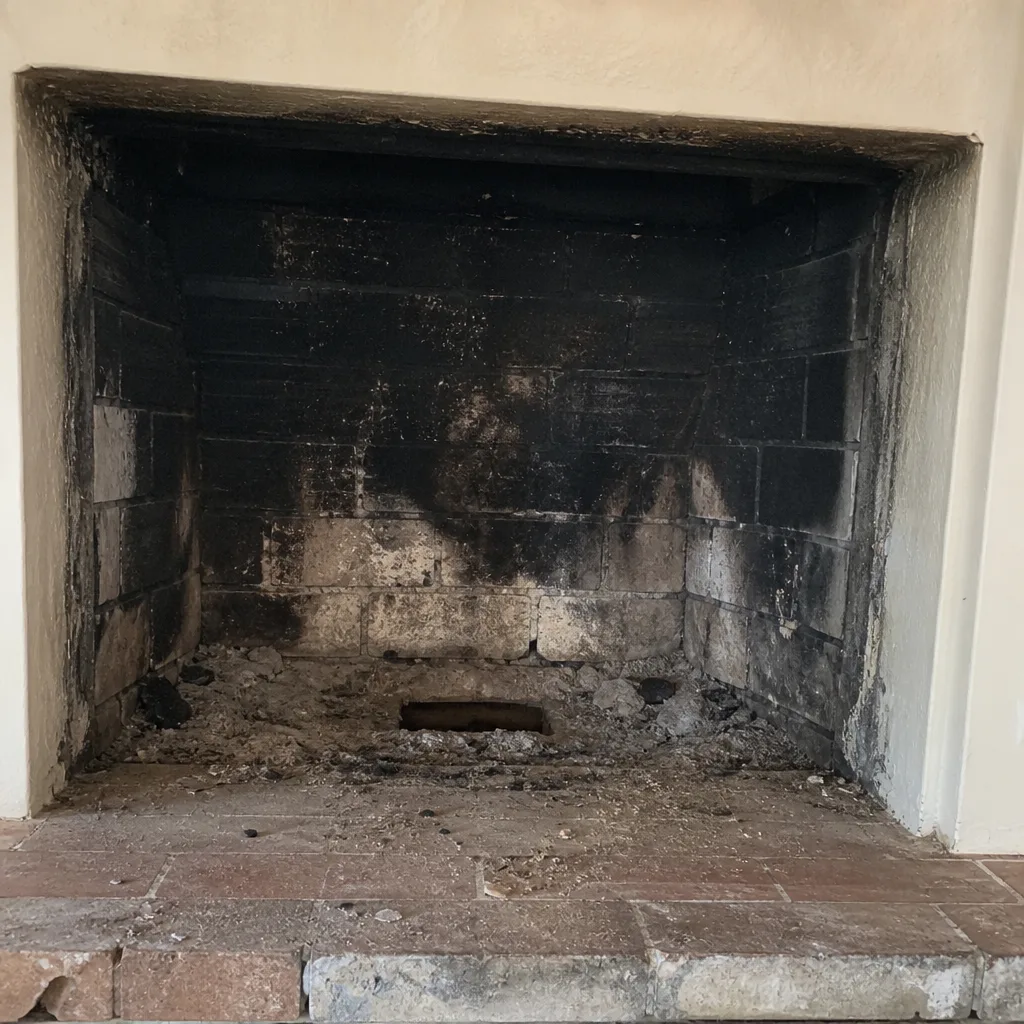 Before
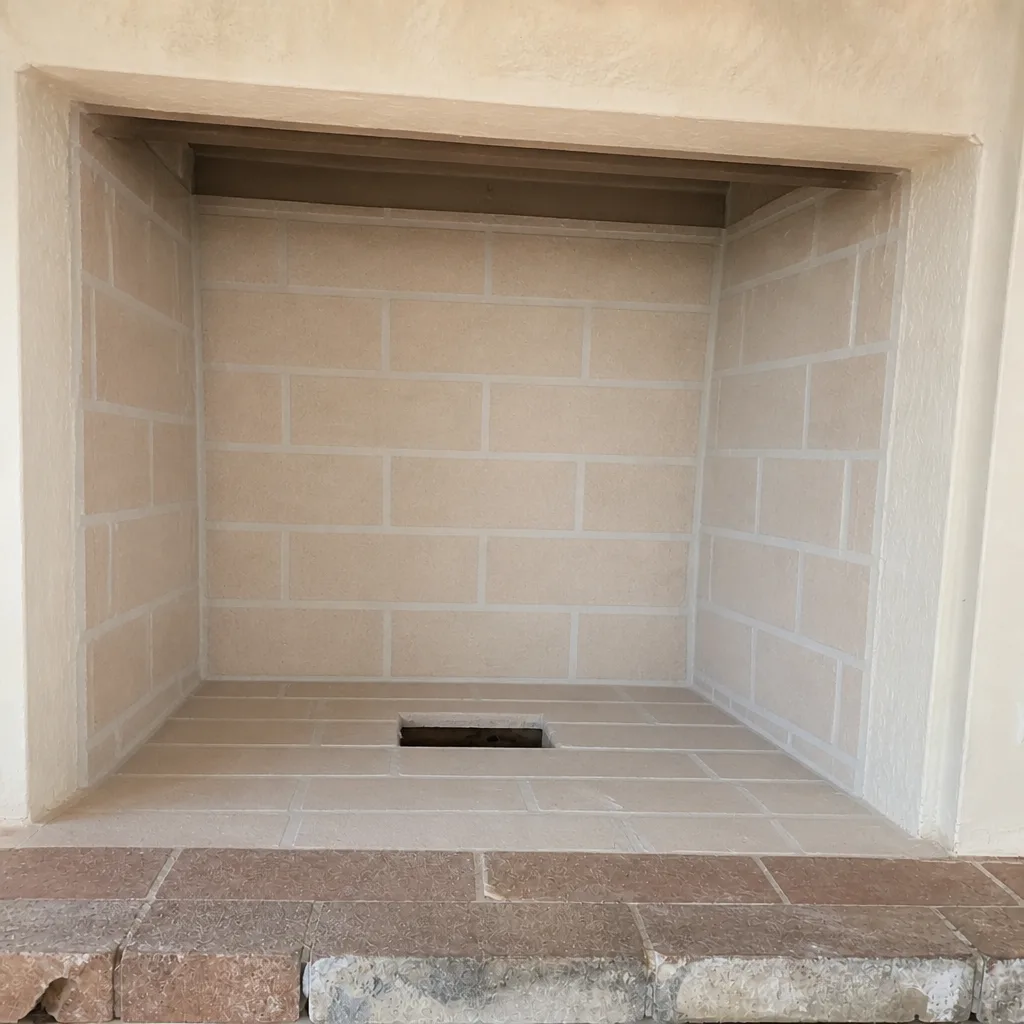 After
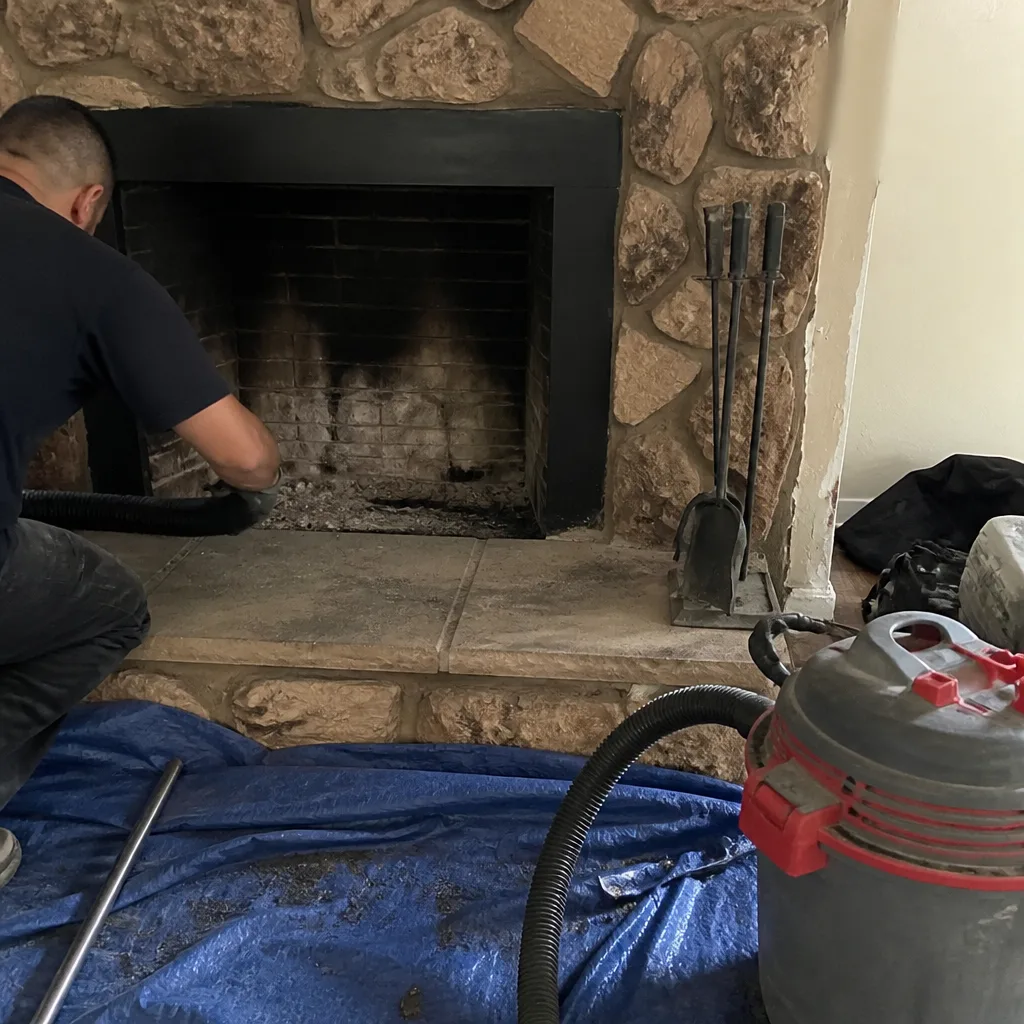 Before
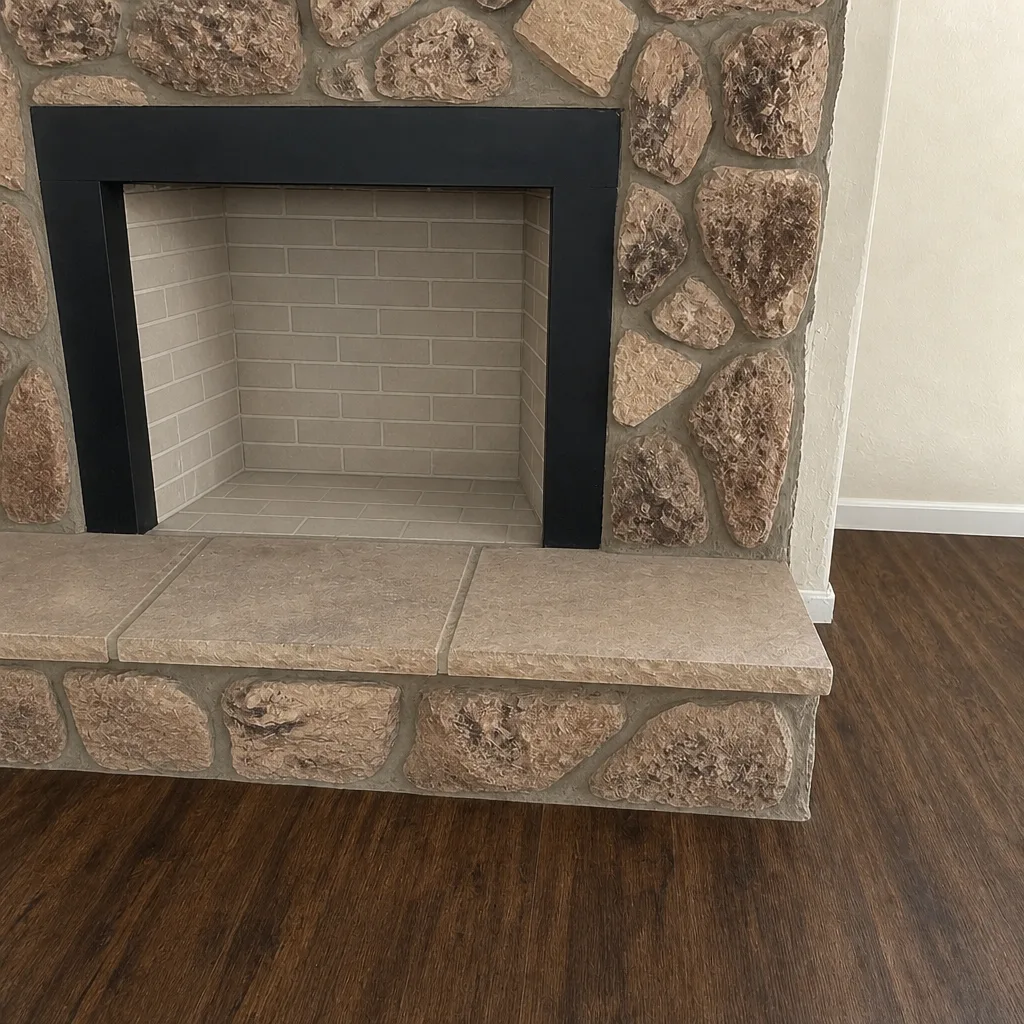 After
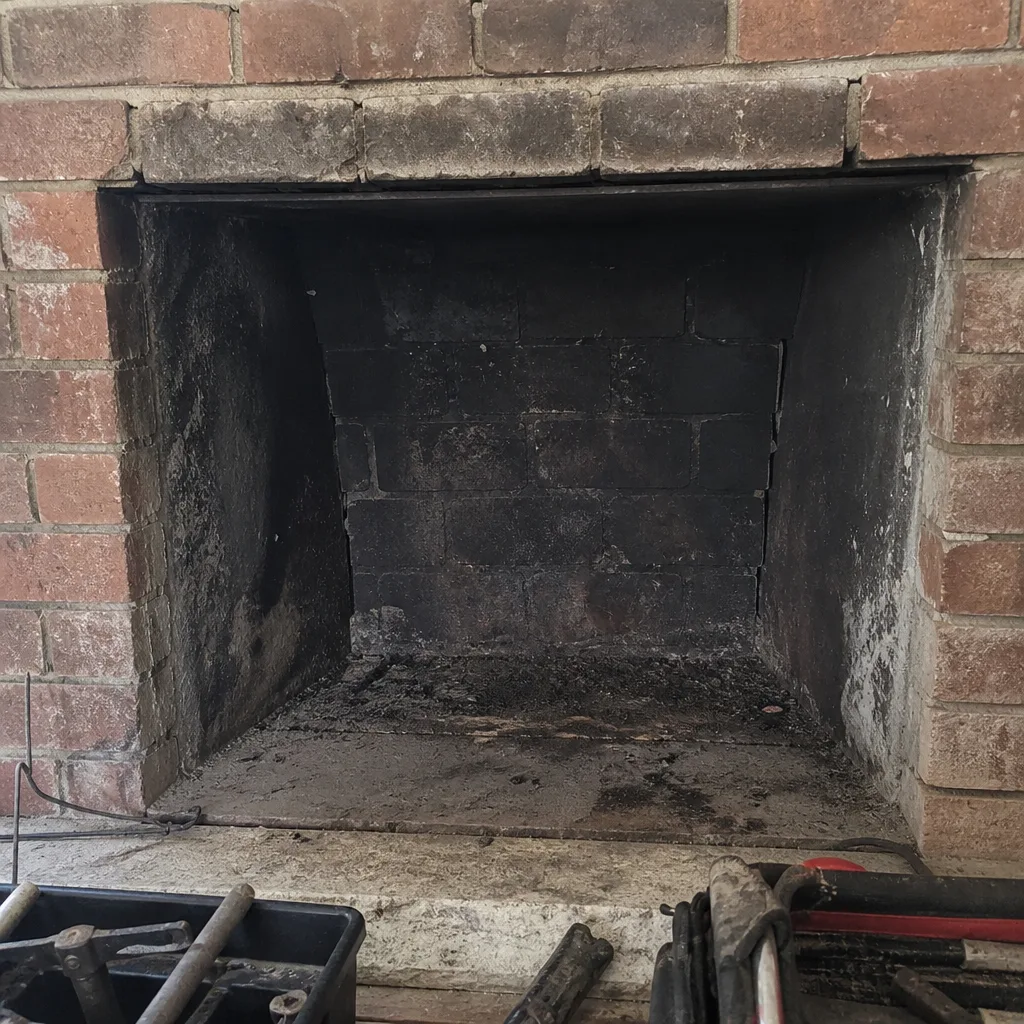 Before
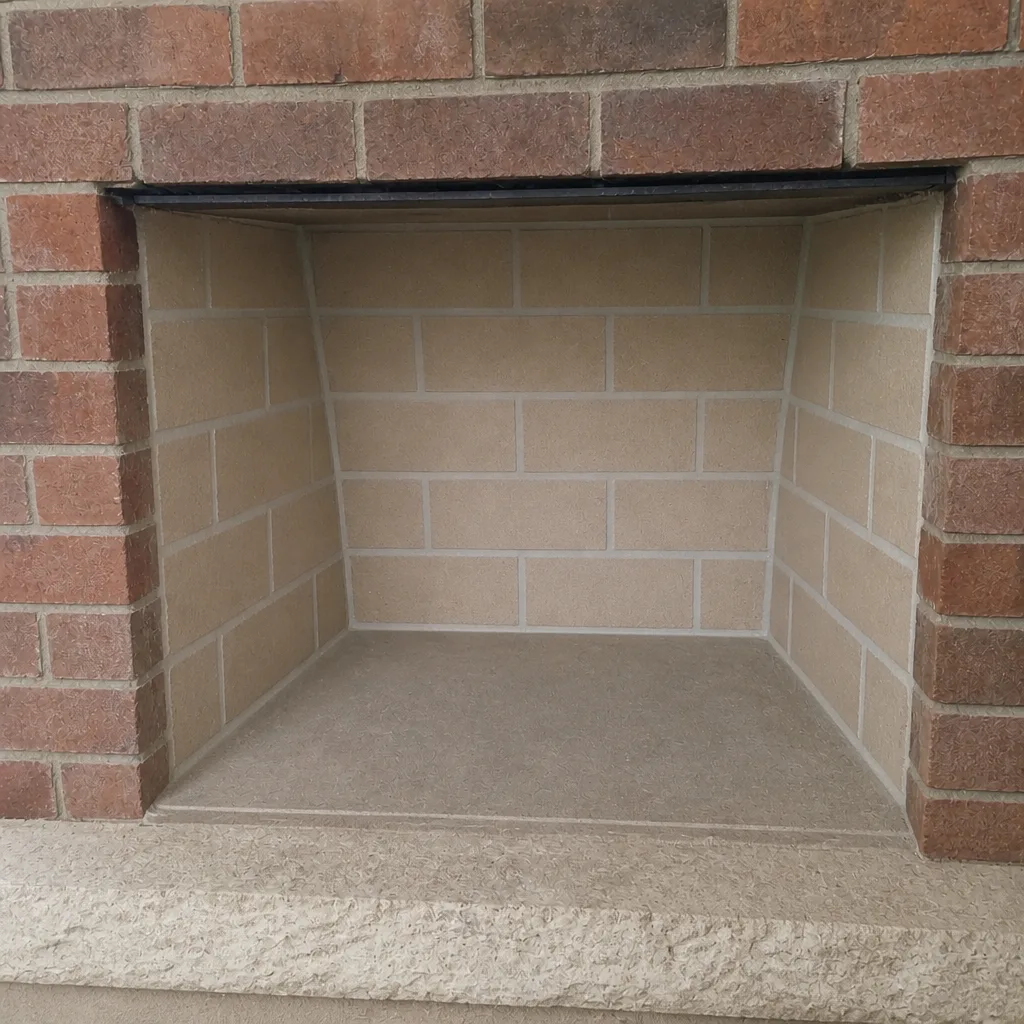 After
When to Call a Professional
Call a professional whenever the question is about condition rather than surface dirt. That means: your flue has never been inspected, your home was built before 1980, you’ve had a chimney fire, smoke backs into the room, you smell creosote, you see exterior staining, or you simply don’t know the history of your chimney. It also means any exterior work at height, any liner work, and any task where the flue might need resurfacing or replacement. The divide is clean and it’s useful: you can maintain, but a professional has to inspect. Chimney Sweep Vallejo offers free estimates in Vallejo. Call (844) 320-2881. We answer 24/7. Fast dispatch from 7am to 7pm, Sunday through Friday. We’ll bring a camera, show you what we find, and tell you plainly what it needs and what can safely wait.
Frequently Asked Questions
You can safely sweep light, Stage 1 creosote from a straightforward, previously inspected flue with the right brush and rods. You cannot safely inspect the liner, smoke chamber or firebox for defects, and in Vallejo’s older housing stock that inspection is the part that matters. DIY cleaning is reasonable maintenance on a sound flue and a bad idea on a flue you’ve never had inspected. Call (844) 320-2881 for an inspection before you decide.
A DIY sweep removes surface creosote. A professional cleaning removes creosote and includes a camera inspection of the full flue that reveals liner cracks, smoke chamber erosion and firebox joint separation you can’t see from either end. The cleaning is the smaller part of the difference; the diagnosis is the larger one. If you want to know the condition of your flue, call (844) 320-2881 for a free estimate.
Once a year for a home that uses its fireplace, and more often if you burn frequently or burn unseasoned wood. Vallejo’s mild winters mean fireplace use is often intermittent rather than seasonal, which makes it easy to lose track of how much you’ve burned. A yearly sweep plus inspection keeps you ahead of it. Call (844) 320-2881 to book a sweep before burning season.
Creosote builds in layers, and heavy glazed deposits are the fuel that starts most chimney fires; skipped cleanings also let a small liner crack or firebox separation go unnoticed until it becomes a repair project or a carbon monoxide risk. None of that is certain, and we won’t scare you into work you don’t need. But the defect that matters is the one you can’t see, and skipping the inspection is how it stays unseen. Call (844) 320-2881 for a camera inspection you can see for yourself.
Not every liner problem needs replacement, and you should see the evidence before agreeing to any liner work. HeatShield flue resurfacing can restore a deteriorating liner surface rather than defaulting to full replacement, which is a real cost-saving option most sweep-only operators don’t offer. We show the camera footage so you can verify the finding yourself, and we say plainly when work can safely wait. Call (844) 320-2881 for an estimate.
Not without a professional assessment first. Homes built before 1980 may contain asbestos in certain flue linings, gaskets or insulation around the chimney, and disturbed material can release fibers into the air. Older clay liners and mortar are also more fragile and easier to damage with a brush. Have the flue assessed before you clean. Call (844) 320-2881 for a free estimate.
The Bottom Line
The DIY vs professional decision isn’t really about cost. It’s about a capability boundary that a brush can’t cross. A homeowner can maintain a sound, inspected flue by sweeping light surface creosote. A professional has to inspect it, because the liner cracks, smoke chamber erosion and firebox separation that matter are invisible to a brush and to anyone without a camera and a trained eye. In Vallejo’s older housing stock, where clay liners and pre-1980 materials raise the stakes, that inspection is the whole game. Clean it yourself if it’s been inspected and it’s sound. Have it inspected if you don’t know. And always leave the exterior and liner work to a professional, because that’s the line you can’t take back. For an honest, camera-in-hand answer about your chimney, call Chimney Sweep Vallejo at (844) 320-2881 for a free estimate. We answer 24/7. Fast dispatch from 7am to 7pm, Sunday through Friday.
Written by the team at Chimney Sweep Vallejo.