
Last updated November 15, 2026
 Sweep & inspection
 Caps & crowns
 Flue relining
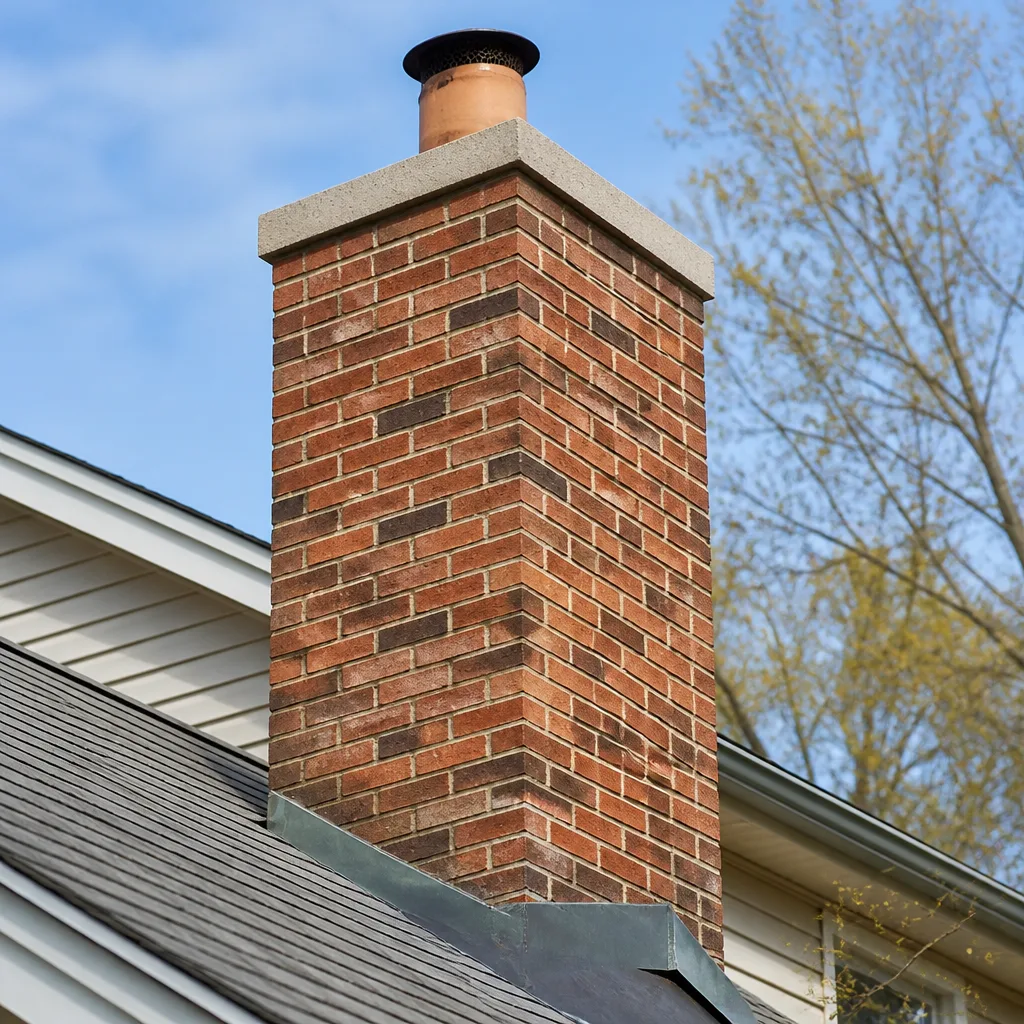 Masonry repair
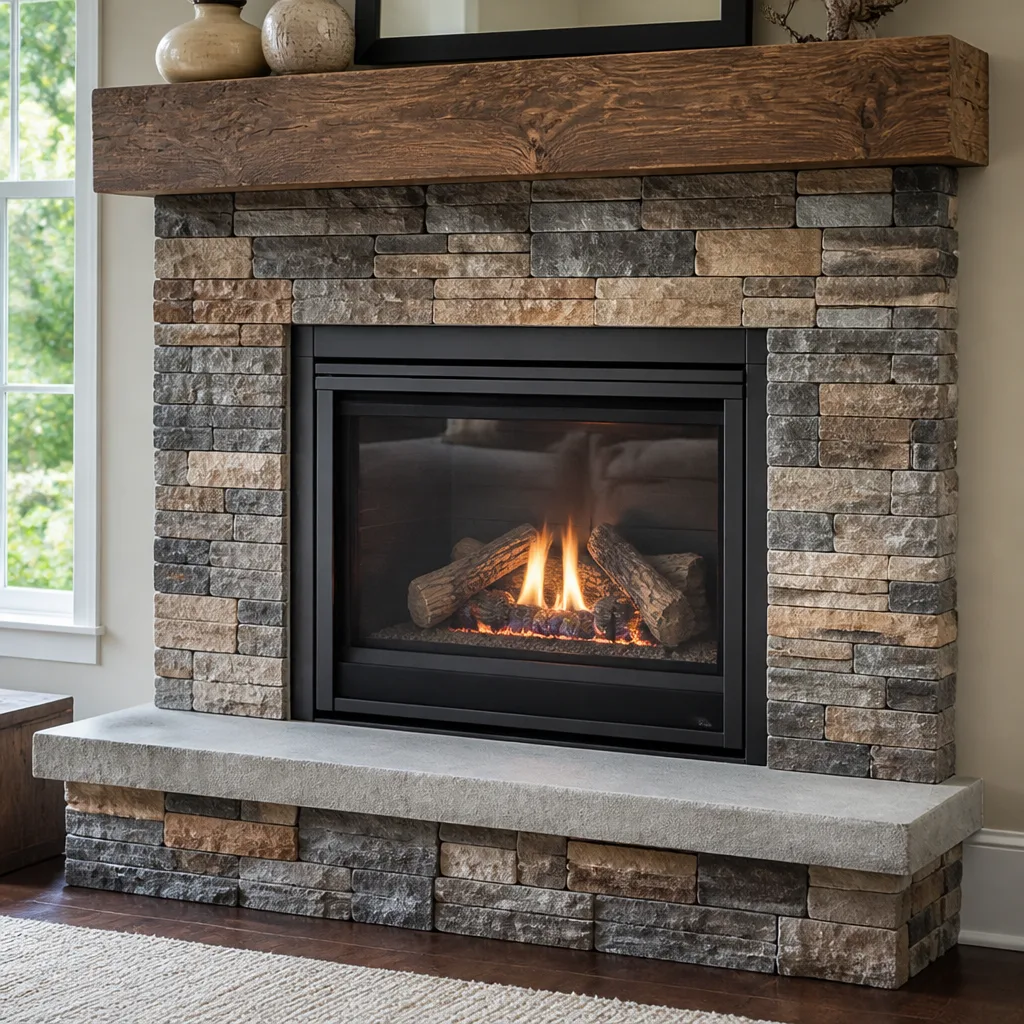 Gas fireplace service
Level 1 sweep and inspection to the NFPA 211 annual standard - flue, crown, cap, and flashing checked and photographed
Chimney sweep logs do not sweep chimneys. They loosen some creosote - which then falls where a brush and vacuum still have to collect it.
Choosing the Right Chimney Cleaning Brand: A Buyer’s Guide for Vallejo
Two chimney crown repairs can look identical on the day they’re finished and perform completely differently by year three. The deciding factor is almost always the same: whether the contractor reached for a professional elastomeric crown coating or a bag of hardware-store hydraulic cement. Most homeowners never see that choice made, and most quotes never mention it. This guide changes that. We’ll walk through the product categories in a real chimney job, name the professional lines working contractors rely on, and hand you the exact questions to ask before anyone climbs onto your roof in Vallejo.
Quick Answer
The “brand” that matters in chimney cleaning is the brand of materials going onto and into your chimney, not the name on the van. A sweep using professional-grade products from lines like DuraFlex, HeatShield, Olympia Chimney, and Gelco is signaling that the repair is built to last, while a sweep quoting the lowest price is usually cutting material quality, not just labor. Ask what liner system, crown coat, and firebox mortar they’ll use, get it in writing, and check the specs yourself before you book.
Styles & brands we work with
- Sweep & inspection
- Caps & crowns
- Flue relining
- Masonry repair
- Gas fireplace service
Table of Contents
- The Four Product Categories That Decide How Long a Chimney Repair Lasts
- Professional-Grade vs. Consumer-Grade: What’s Actually Different
- The Product Lines Professional Crews Use, and Why It Matters
- Questions to Ask Before You Book a Sweep in Vallejo
- Why a Low-Price Sweep Often Means Cheaper Materials
- How Product Quality Connects to Warranty Language
- How to Look Up Product Specs Yourself
- A Step-by-Step Way to Evaluate a Quote
The Four Product Categories That Decide How Long a Chimney Repair Lasts
Almost every chimney job boils down to four material categories: crown coating, flashing sealant, firebox mortar, and liner systems. Each one fails differently, and each one has a wide gap between consumer-grade and professional-grade products. Understanding these four is the single most useful thing you can bring to a conversation about chimney work in Vallejo.
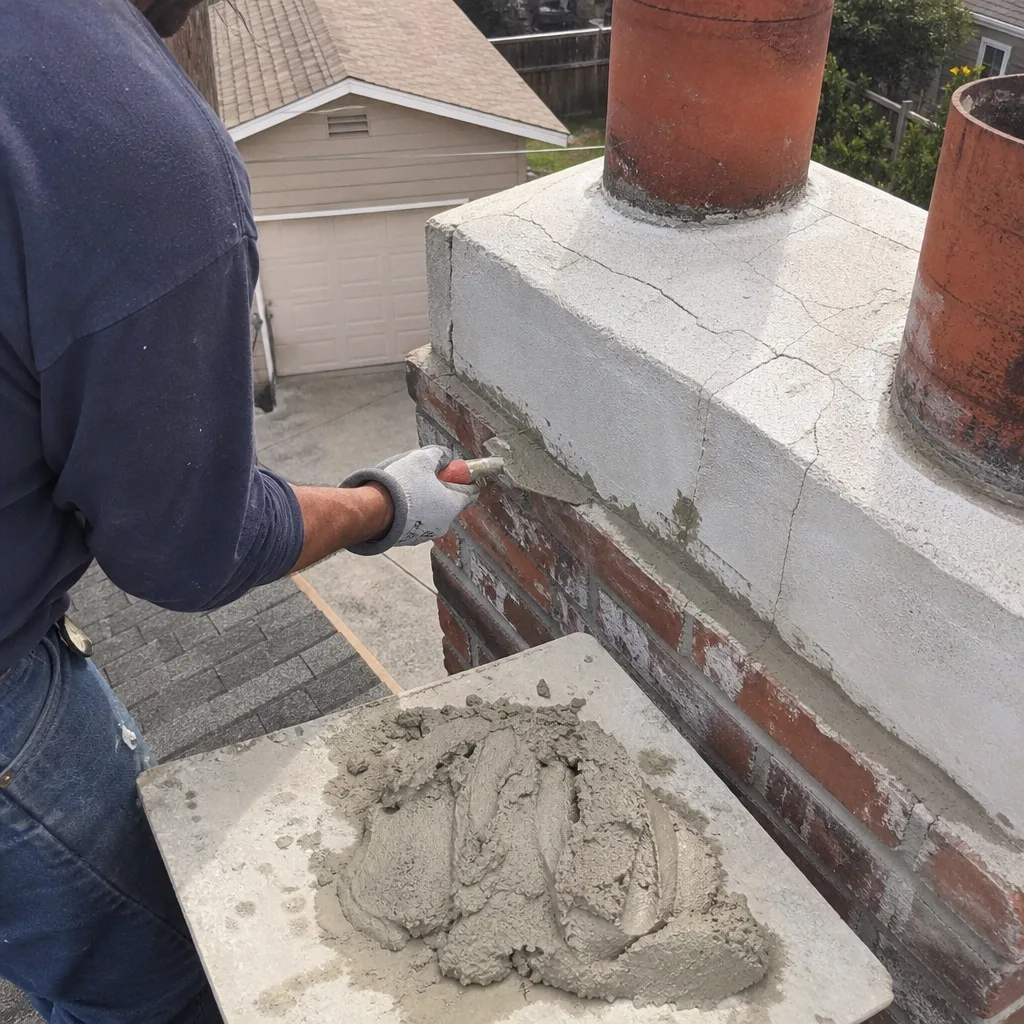
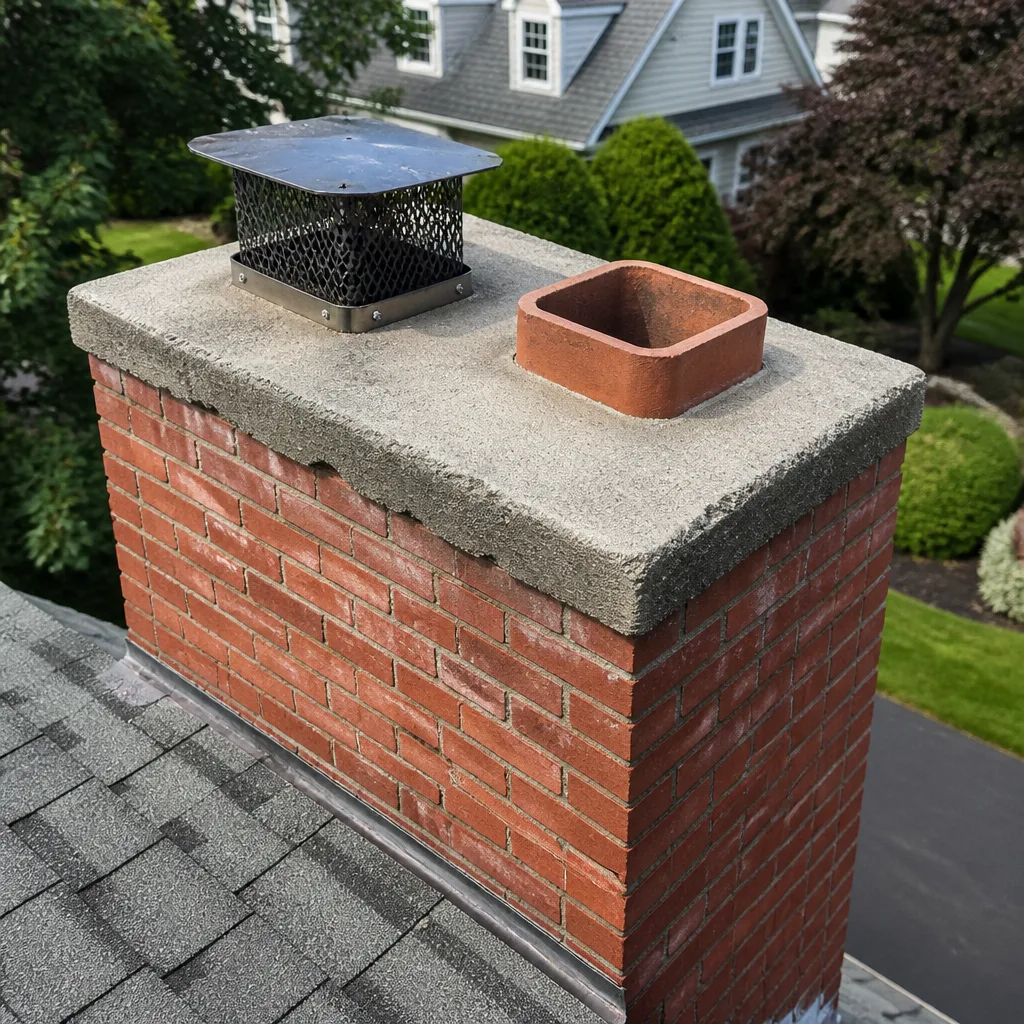
- Crown coat. The crown is the concrete cap at the top of the chimney that sheds water away from the flue. Professional crews use elastomeric crown coatings that flex with temperature changes and bridge small cracks. Consumer alternatives include pre-mixed patching cement that hardens and cracks within a few seasons.
- Flashing sealant. Where the chimney meets the roof, flashing and sealant keep water out of the roof deck. Professional-grade polyurethane sealants stay flexible far longer than silicone caulk, which breaks down faster under sun and heat.
- Firebox mortar. The firebox takes direct flame and extreme heat cycles. Professional refractory mortar is rated for those temperatures; standard masonry mortar is not, and it crumbles under fire exposure.
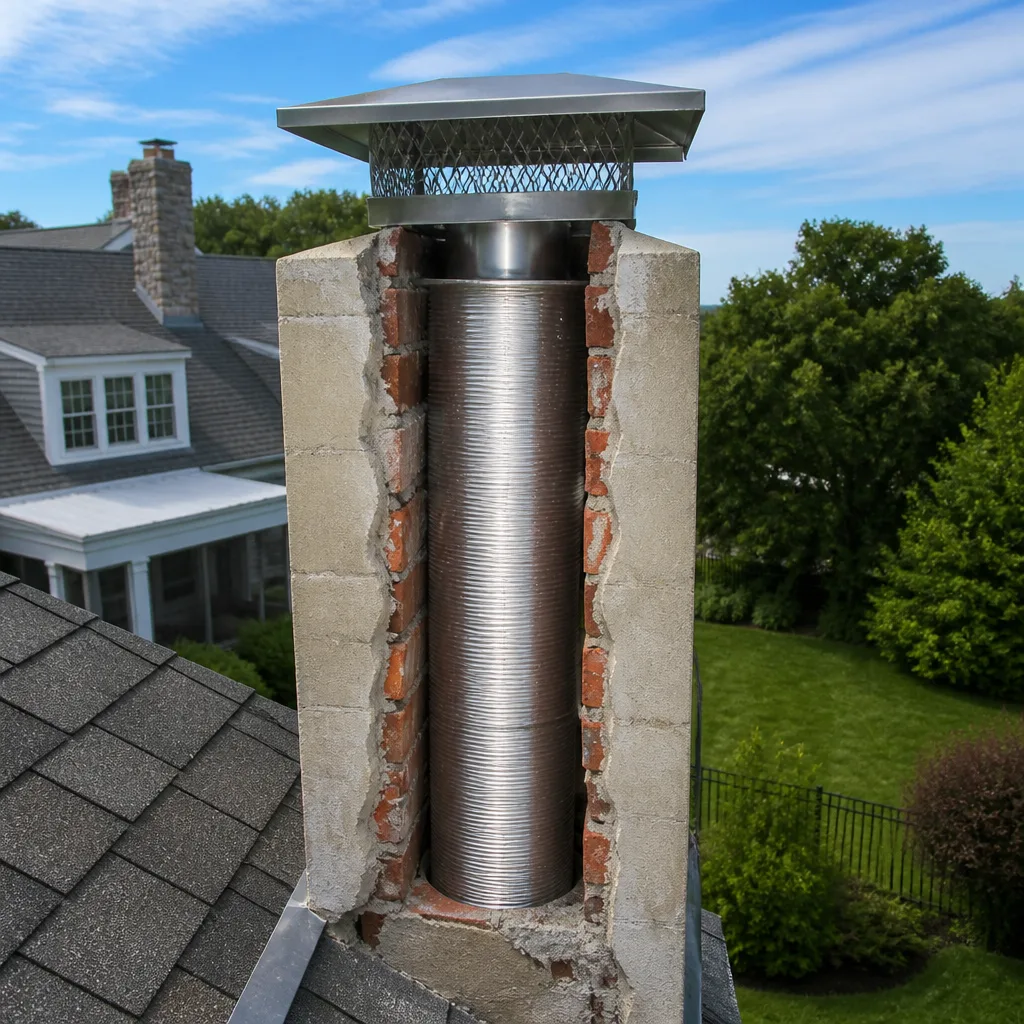
- Liner systems. The flue liner carries exhaust out of the house. Stainless flexible liners and specialist resurfacing systems last longer and perform better than the cheapest off-the-shelf options.
Vallejo’s climate is gentle compared to the mountains, but the hot, dry summers and the occasional soaking winter rain still stress a crown and flashing. Cracks that a contractor patches with the wrong product in July are often wide open again by the following spring. We see this on older homes throughout Vallejo, where the original crown has survived decades of small thermal cycles and just needs the right repair material rather than a full rebuild.
Professional-Grade vs. Consumer-Grade: What’s Actually Different
The gap between professional and consumer products is not just marketing. It comes down to formulation, testing, and the conditions the product is rated to survive. A hardware-store tube of sealant is designed for a homeowner patching a gutter; a professional flashing sealant is designed for a roofer who needs the joint to stay watertight through years of sun, rain, and roof movement.
Here’s what separates the two in plain terms:
- Flexibility. Professional sealants and crown coatings stay elastic through thermal expansion and contraction. Consumer products tend to cure hard and crack.
- Temperature rating. Firebox mortars and liner materials carry rated temperature ranges. Standard masonry and generic caulk don’t.
- Adhesion to real substrates. Professional products are tested against the specific materials in a chimney, like stainless steel, clay tile, and refractory brick. Consumer products are tested against the easiest surface the manufacturer can find.
- Service life documentation. Professional lines publish expected service life and installation guidelines. Consumer products often don’t publish much of anything.
- Installer accountability. Professional lines are specified by contractors who have to stand behind the work. That forces a level of consistency hardware-store products can’t match.
None of this is exotic. It’s the same reason a restoration crew doesn’t use a five-dollar tube of caulk to seal a window on a hundred-year-old Victorian. Vallejo has plenty of those older homes, and the chimneys on them have been patched with whatever was on hand for decades. Sorting out which repairs were done with the right materials and which weren’t is part of the diagnostic work a professional sweep does when they open up a flue.
The Product Lines Professional Crews Use, and Why It Matters
When you ask a sweep which brand of liner system they’re putting in, you’re really asking which supplier’s quality control they’ve decided to trust. The professional lines working contractors use come from a small roster of manufacturers who specialize in chimney and venting products rather than general construction supplies.
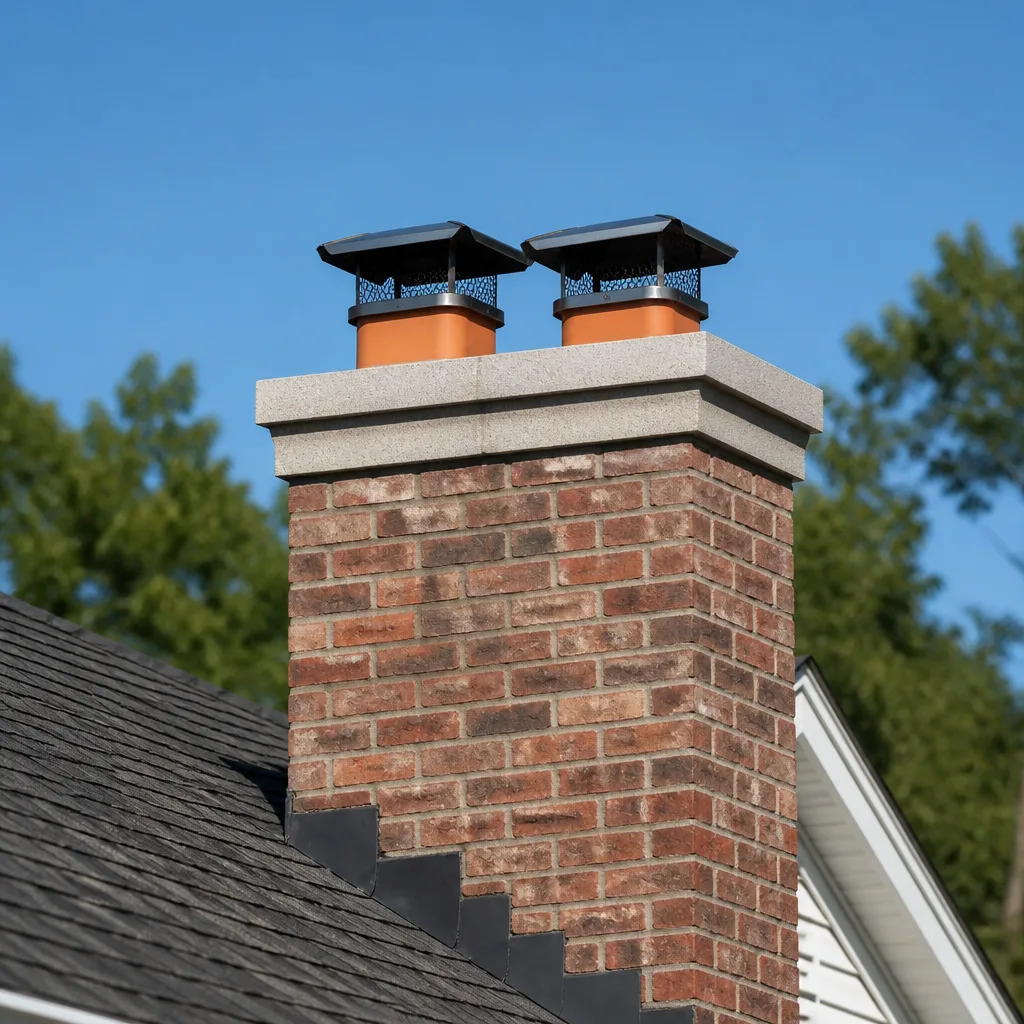
At Chimney Sweep Vallejo, we work with an intentional roster of professional-grade product lines. That includes DuraFlex flexible liner systems for retrofit and offset flue configurations, HeatShield for flue resurfacing, Olympia Chimney for liners and related components, and Gelco for caps, covers, and other venting components. We also work with Famco and Copperfield. The point of sticking to a defined roster is that we know how each product behaves, how it’s specified, and what its limits are. We’re not shopping for whatever ships fastest.
Why does that roster matter to a homeowner? Three reasons:
- Predictable performance. When you’ve installed the same liner system across many chimneys, you know how it works in the field, not just on a spec sheet.
- Code-compliant components. Cap and cover replacement, venting components, and liner systems all have to meet specific requirements. Using a manufacturer whose product line is built around those requirements reduces the risk of a component that fails inspection.
- Reduced substitution risk. When a sweep names a specific brand, you can verify what’s actually installed. When a quote just says “stainless liner,” your installer has room to substitute a cheaper product.
If you want to see how the whole service fits together, our chimney sweep service covers inspection, cleaning, and repair in one visit, which makes the material question easier to track because nothing gets handed off to a subcontractor.
Questions to Ask Before You Book a Sweep in Vallejo
The right questions separate a sweep with a real material plan from a sweep who is going to figure it out on the roof. Ask all seven before you book. If a contractor can’t answer them without hedging, that’s useful information on its own.
- “What brand of liner system do you install?” You’re looking for a specific manufacturer name, not a description like “stainless flexible liner.”
- “If my flue only needs resurfacing, what system do you use?” This question tests whether the sweep has a liner-saving option like HeatShield available, or whether every job becomes a full liner replacement.
- “What crown coat product do you use for crown repairs?” A professional elastomeric compound is the right answer. Hydraulic cement is the wrong one.
- “What firebox mortar is rated for direct flame?” Refractory mortar should be named. Standard mortar should not.
- “Can you put the manufacturer and product line in the written quote?” This is the single most important question. If they won’t, ask why.
- “Do you carry the same brands you quote, or do you substitute?” A reasonable answer names the brand and confirms it. A vague answer means you should ask again in writing.
- “What does your repair warranty exclude?” Materials, labor, and installation errors should be clearly separated in the answer.
Asking these on the phone takes five minutes. The information you get back tells you more about a chimney company in Vallejo than any review or website will. If you want to see how a full-service sweep frames the answers, our chimney sweep page walks through the inspection-then-repair flow step by step.
Why a Low-Price Sweep Often Means Cheaper Materials
A quote that comes in significantly under the others is almost never cheaper labor. Labor costs in a given market are close to fixed. What varies is materials, and when a quote is low, the difference is usually which product line got swapped in behind the scenes.
Here’s how to spot the substitution in a written quote:
- Vague material descriptions. “Stainless liner,” “chimney cap,” or “sealant” with no manufacturer means the installer has room to choose whatever is cheapest at the time of the job.
- No brand anywhere in the paperwork. Professional quotes name the brand because the installer wants you to see it.
- Missing material specifications. Gauge, thickness, temperature rating, and warranty term should appear for any liner quote.
- A price that doesn’t move when you ask about materials. Ask which brand is going in and whether that changes the price. If it doesn’t, that’s suspicious; if it does, at least you now know what you’re paying for.
- Warranty language that talks about workmanship only. Materials warranties are backed by the manufacturer, not the installer, so the installer should be able to name the manufacturer.
We see the results of cheap material choices on older Vallejo homes where a previous repair has failed early. A crown patch that cracked within three seasons, a sealant at the flashing that peeled after two winters, a firebox mortar that crumbled because it wasn’t rated for flame. None of these are exotic failures. They’re predictable outcomes of using the wrong product for the job, and they cost more to fix than they saved the first time.
How Product Quality Connects to Warranty Language
A warranty is only as strong as the product it’s backing. A contractor can promise anything in writing, but if the material underneath is consumer-grade, the promise is hollow because the manufacturer won’t stand behind a failure that came from using the product outside its rated conditions.
A credible repair warranty should cover a few things. Here’s what to look for:
- Named materials. The warranty should reference the specific product line and manufacturer being installed.
- Separated coverage. Materials warranties (from the manufacturer) and workmanship warranties (from the installer) are different things. A credible warranty tells you which is which.
- Installation conditions. The warranty should state what the manufacturer requires for installation, and the installer should be able to show they followed those requirements.
- Realistic exclusions. Every warranty excludes something. Read the exclusions closely. If a warranty has no exclusions, it’s not a warranty, it’s a marketing line.
- Transferability. Ask whether the warranty stays with the house if you sell it. That’s often a sign of how much the contractor believes in the product.
The reason this matters in Vallejo is the same reason it matters anywhere: an older home tends to change hands, and a homeowner buying a house with a recent chimney repair deserves to know what’s actually covered. When the paperwork names the product, you can look it up. When it names nothing, you can’t.
How to Look Up Product Specs Yourself
Every brand you’ve read about in this guide publishes product specifications, and you can verify them without a contractor’s help. That’s the whole point of naming brands in the quote; it lets a homeowner check the work.
- Search the brand name plus the product type. For example, “DuraFlex liner specifications” or “HeatShield flue resurfacing.” The manufacturer’s own site should be one of the first results.
- Read the product data sheet. Every professional-grade product has one, usually as a PDF. Look for temperature rating, thickness, materials, and installation requirements.
- Compare against the job. Does your flue match the rated conditions? A liner rated for one fuel type may not be right for another.
- Check the warranty page. Every professional brand publishes its warranty terms. Look at what’s covered and what’s excluded.
- Ask the installer to reconcile any gap. If the spec sheet says one thing and the quote says another, ask why in writing.
You don’t need to become a chimney expert to do this. Twenty minutes of reading after you receive a quote is enough to catch a substitution or a mismatch. If a homeowner can look up the spec, so can the sweep, and the answer should match.
A Step-by-Step Way to Evaluate a Quote
Here’s a repeatable sequence you can apply to every quote you receive, whether it’s for cleaning, dryer vent work, or a structural repair. Run the same checklist each time and the strongest quote usually becomes obvious.
- Check the scope. Does the quote say what’s being cleaned, inspected, or repaired, and where? Vague scope language precedes vague materials.
- Look for brand names. Every material line should name a manufacturer and product line. If a line doesn’t, circle it and ask about it in writing.
- Confirm the diagnostic. Ask whether the finding was based on camera inspection with a photo report you can see. If a contractor recommends thousands of dollars of liner or masonry work, the evidence should be documented so you can look at it yourself.
- Compare line-item prices honestly. Cheaper isn’t always the wrong choice on labor, but it’s almost always the wrong choice on materials. Compare the same product lines across quotes, not just totals.
- Read the warranty. Confirm what’s covered, for how long, and by whom. If materials and workmanship are lumped together, ask for them to be separated.
- Ask what can safely wait. A credible contractor will tell you which repairs are urgent and which can be scheduled later. That’s the single best signal of honest diagnostics.
- Get the brand into the contract. Before anyone starts, the brand name should appear in the paperwork you’ll be signing.
We’ll tell you exactly what we found and exactly what it needs. That’s the standard we hold ourselves to, and it’s also the standard you should expect from any chimney company in Vallejo. If a recommendation doesn’t come with camera evidence and a named product, ask why before you commit.
One more service worth folding into this conversation: dryer vent cleaning. Lint buildup in a dryer vent is a genuine fire hazard, not a housekeeping chore, and the product categories that matter there overlap with chimney ventilation work. When the same company handles both, you get one visit that covers the flue and the dryer vent together, with the same material standard applying to both.
Common Mistakes to Avoid
- Choosing on price alone. The lowest quote is often low because the materials are cheaper, not because the labor is. Ask what brand is going in before you compare totals.
- Accepting a vague scope. “Chimney sweep and inspection” without a breakdown gives the contractor room to do less or substitute more. Require line items.
- Letting a phone diagnosis become a repair plan. Any recommendation involving liner or masonry work should be backed by a camera inspection with photos you can see yourself.
- Assuming a liner replacement is the only option. If a flue surface is deteriorating but not structurally compromised, resurfacing systems like HeatShield can restore it. Ask whether resurfacing is viable before signing off on replacement.
- Overlooking the venting side of the house. Dryer vents are a separate fire-risk category from the fireplace flue. Vallejo homeowners who book one often forget the other until a routine check finds a problem.
- Ignoring warranty exclusions. A warranty that names a product but excludes installation errors tells you the manufacturer stands behind the material, not the installer. Read both sides.
- Assuming a certificate of cleaning equals a healthy chimney. Cleaning and inspection are two different jobs. Ask specifically what the inspection covered and what was found.
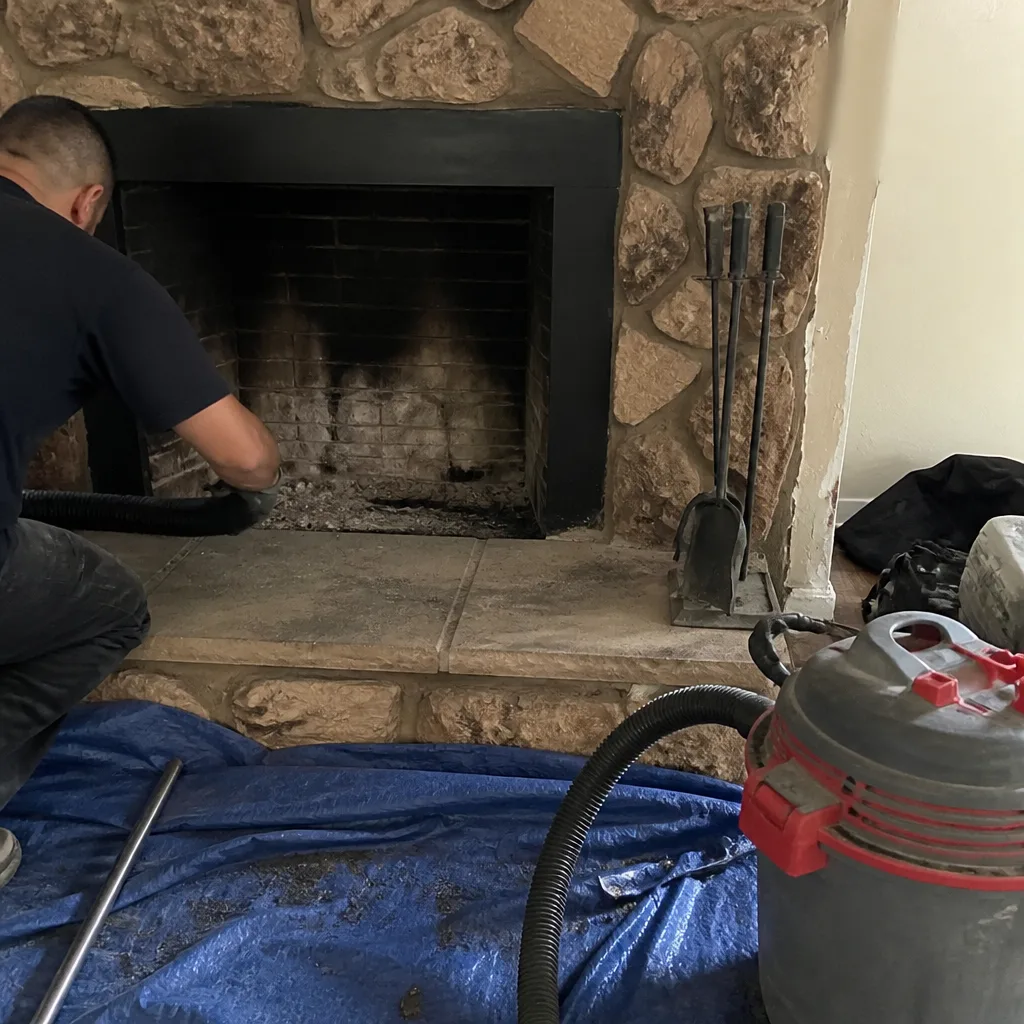
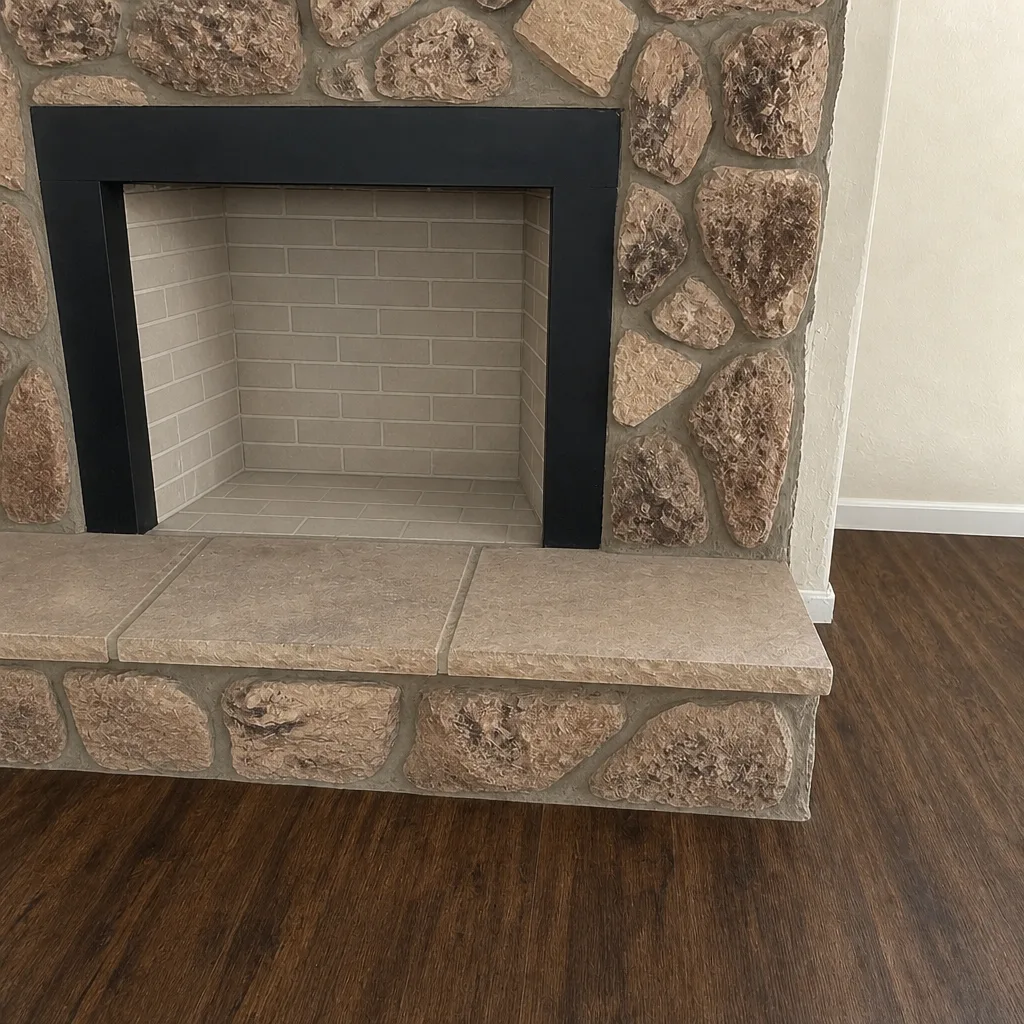
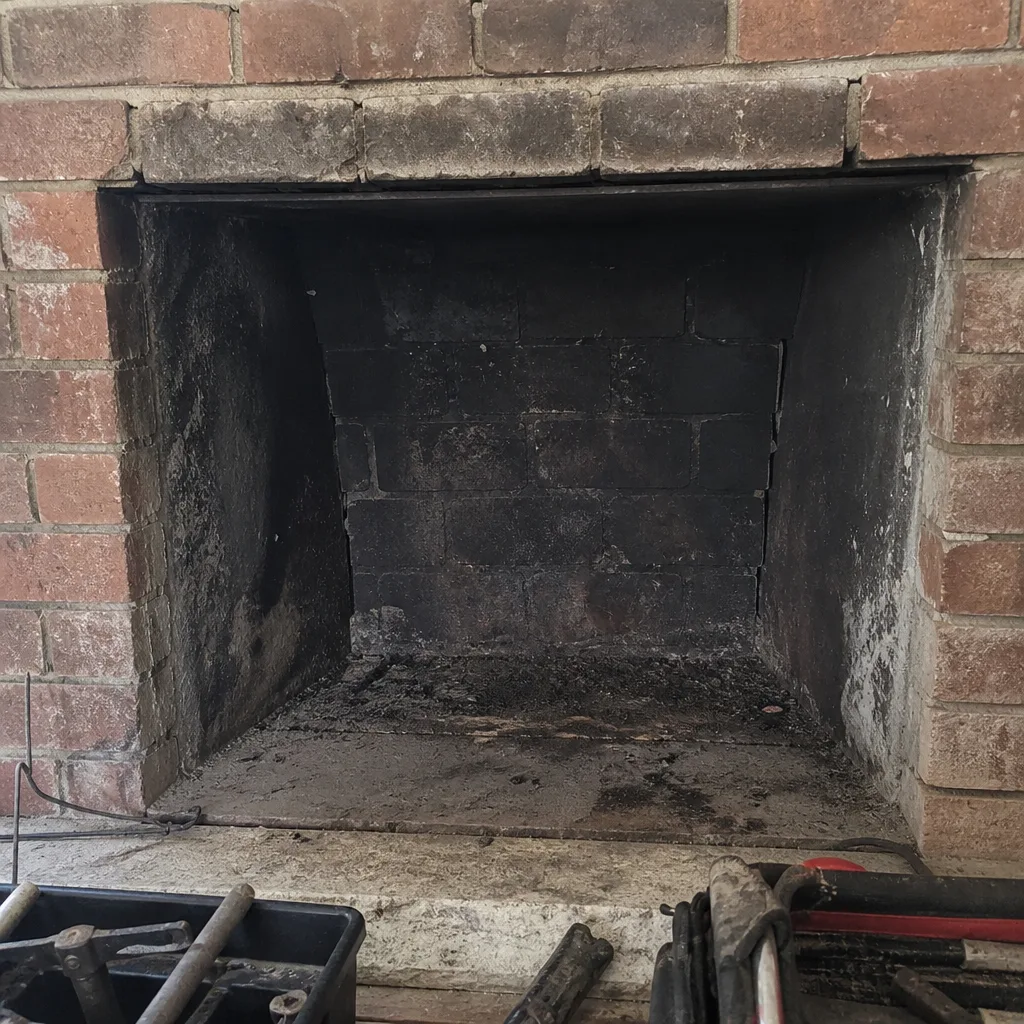
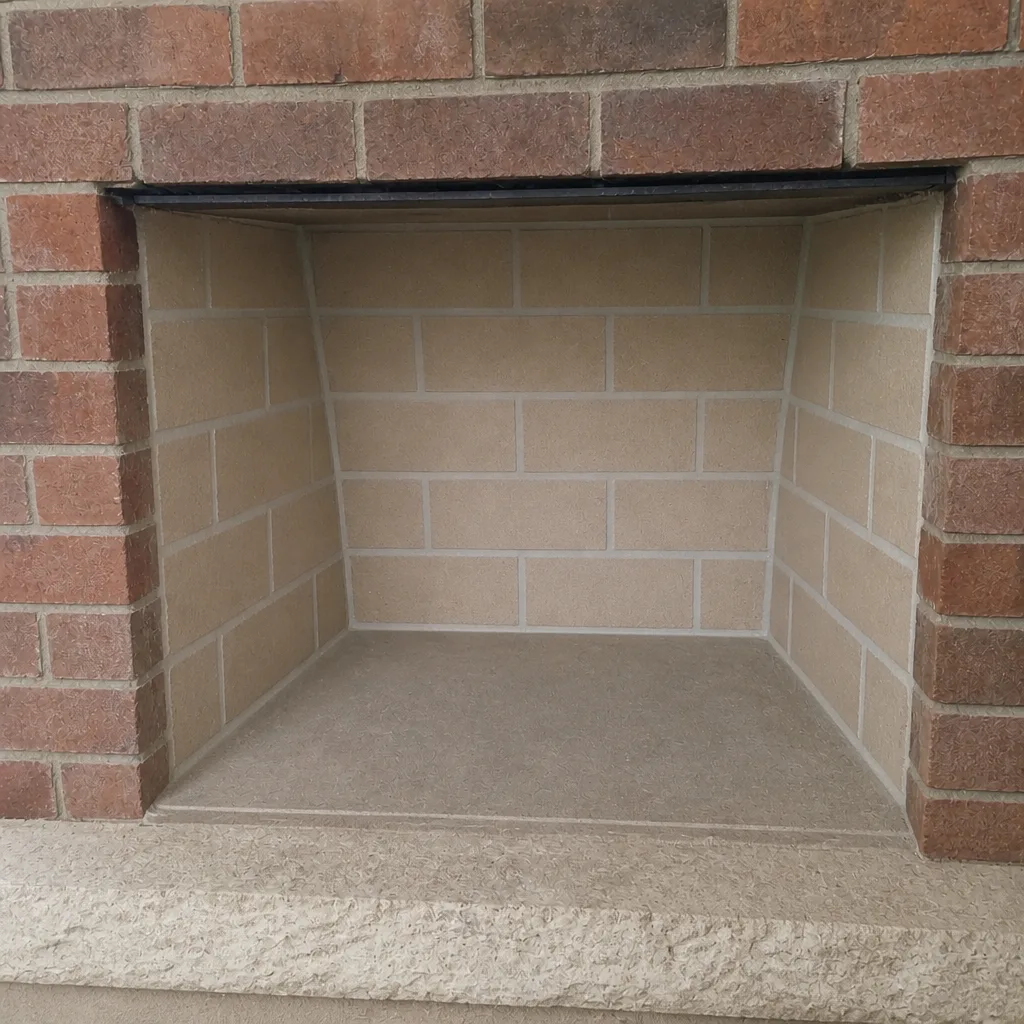
See the difference
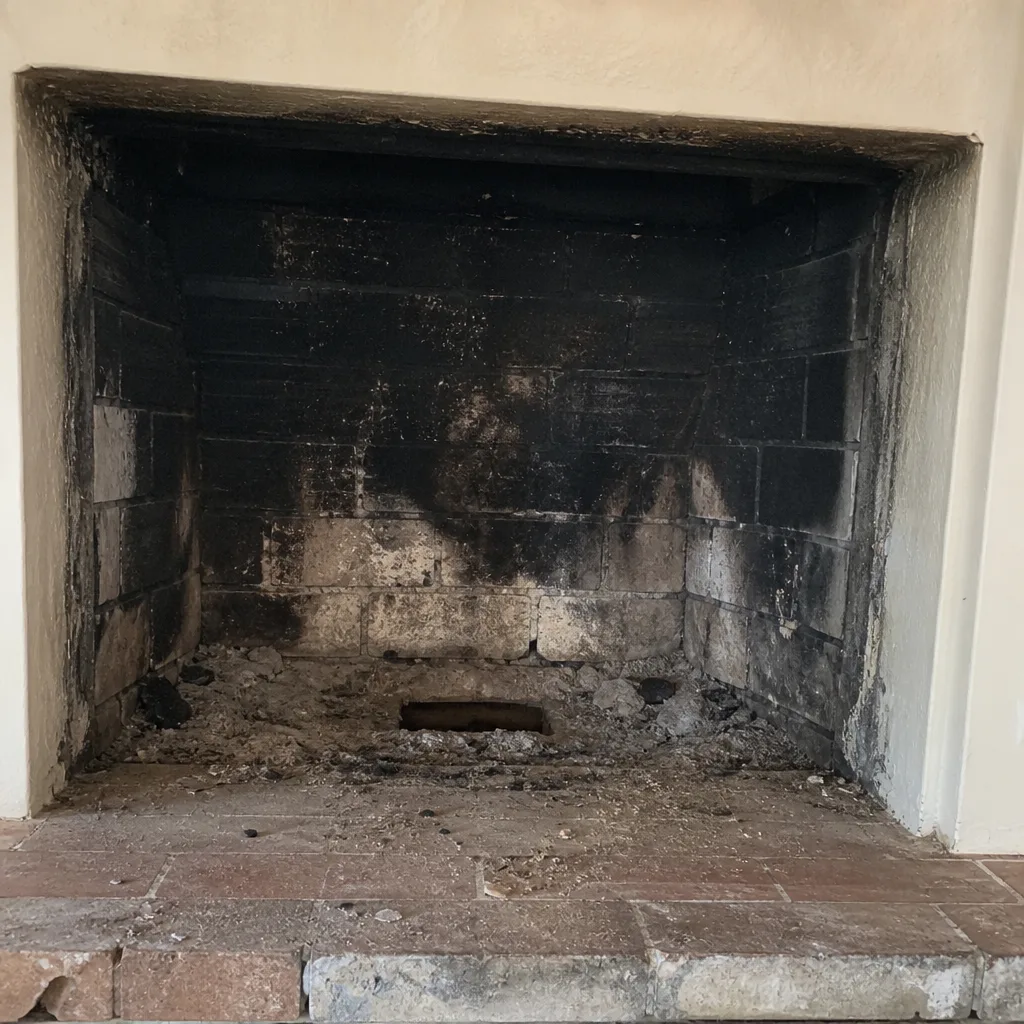 Before
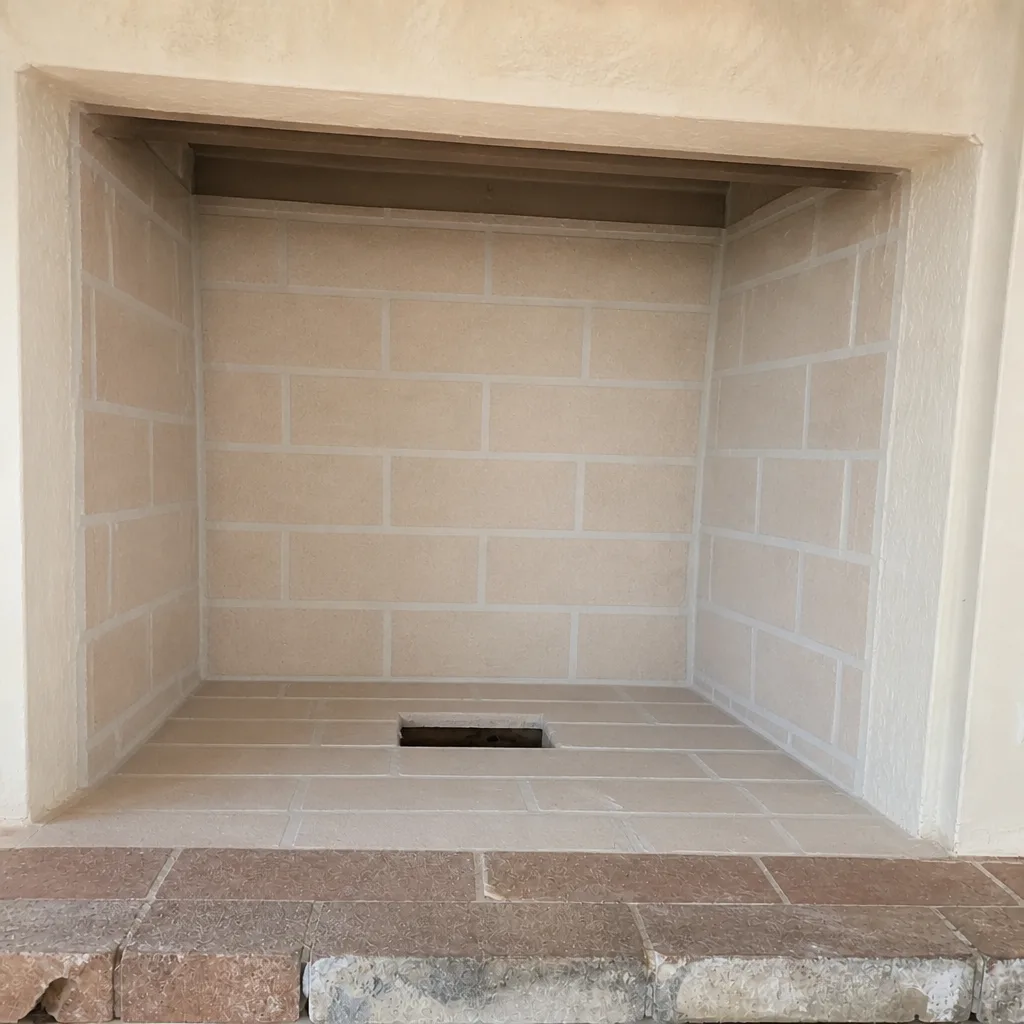 After
 Before
 After
 Before
 After
When to Call a Professional
Some chimney work is genuinely a call-a-professional job. If you’re seeing smoke spill into the room when you build a fire, if you smell a strong creosote odor in warm weather, if your flue liner is visibly cracked or missing tiles, or if your chimney crown has a visible crack wider than a hairline, those are all signals to get a professional inspection before the next burn season. The same goes for a dryer that’s taking longer than usual to dry a load, or a vent hood that seems weak; those point to a venting problem, and dryer vent blockages are a fire concern worth taking seriously. If you’re in an older Vallejo home and you’ve never had the flue inspected, that’s also a reason to call. Chimney Sweep Vallejo offers free estimates in Vallejo. Call (844) 320-2881. We answer 24/7. Fast dispatch from 7am to 7pm, Sunday through Friday.
Frequently Asked Questions
Chimney sweeping in Vallejo is priced per job by a written estimate, and the cost depends on the flue configuration, whether a camera inspection is needed, and what repairs are identified. The estimate itself is free, and the written estimate sets the final price before any work starts. Call (844) 320-2881 for an exact quote.
Not always. A damaged or deteriorating flue liner surface doesn’t automatically mean a full replacement. Resurfacing systems like HeatShield can restore a damaged flue surface in some cases, saving the cost of a full liner replacement. The right answer depends on camera inspection evidence, and any recommendation should come with photos you can see for yourself. Call (844) 320-2881 for an exact quote.
The general rule for a wood-burning fireplace is annual sweeping and inspection, and more often if you burn heavily. If you’re in a Vallejo home and you don’t know the last time your flue was swept, book an inspection before the next burn season. Call (844) 320-2881 for an exact quote.
Creosote accumulates in the flue every time a fire burns, and it’s flammable. Over time, that buildup increases the risk of a chimney fire and can restrict the draft, which pushes smoke and carbon monoxide back into the room. Skipping the sweep doesn’t cause a problem on any one day, but it removes the only real check on the buildup. Call (844) 320-2881 for an exact quote.
Because the brand determines how long the repair lasts, not how the job looks when it’s finished. A crown patch done with a professional elastomeric compound can last through many thermal cycles, while the same repair with hardware-store cement often cracks within a few seasons. Professional liner and cap lines are also built to meet the requirements the job is actually inspected against. When you ask for the brand in the quote, you’re asking for that difference to be documented.
Yes. We work with an intentional roster of professional-grade product lines, including DuraFlex, HeatShield, Gelco, Olympia Chimney, Famco, and Copperfield. That roster is how we know what’s going into each job and how we can put it in writing. To see how this applies to your home, our Vallejo service page covers the area we work in. Call (844) 320-2881. We answer 24/7. Fast dispatch from 7am to 7pm, Sunday through Friday.
The Bottom Line
The right chimney cleaning brand isn’t a name on a van; it’s a set of product lines with real specifications and real service life. Ask what liner system, crown coat, and firebox mortar will be used. Get the brand in the written quote. Look it up yourself. And if a liner is on the table, ask whether resurfacing is a viable option before assuming replacement is the only path. Our technicians have up to 15 years of experience with professional-grade products, and we’ll tell you exactly what we found and exactly what it needs. Call (844) 320-2881 for a free estimate.
Written by the team at Chimney Sweep Vallejo.